You’ve fallen for the classic look of Adirondack chairs, but now you’re stuck at the fork in the road: traditional wood or modern poly? It’s not just about aesthetics—this decision affects how much time you’ll spend on maintenance, how long your chairs will last, and whether you’ll be repainting in two years or still enjoying them in twenty.
Let’s break down what actually matters when you’re choosing between these two materials.
Maintenance and Upkeep: The Time Investment
Here’s the biggest differentiator: wooden Adirondack chairs need regular attention, while poly chairs need virtually none.
Wood chairs require annual maintenance to keep them looking good and structurally sound. You’ll need to clean them thoroughly, sand any rough spots, and apply a fresh coat of sealant, stain, or paint. Skip this routine, and you’ll watch your beautiful chairs turn gray, crack, and eventually splinter. Cedar weathers to a silvery gray if left untreated—some people love this look, others don’t. Teak develops a similar patina but holds up better structurally without treatment.
Poly (polywood or HDPE) chairs are a completely different story. Wash them once or twice a season with soap and water, and you’re done. No sealing, no staining, no sanding. They won’t crack, splinter, or rot. If you’re someone who barely has time to mow the lawn, poly chairs eliminate an entire seasonal chore from your list.
Durability and Weather Resistance
Both materials can last for decades, but they handle the elements differently.
Quality poly chairs are essentially indestructible. They’re made from recycled plastic (usually milk jugs) that’s UV-stabilized and mixed with colorant throughout, not just on the surface. This means they won’t fade quickly, peel, or deteriorate from moisture. They handle rain, snow, humidity, and salty coastal air without complaint. Most reputable brands offer warranties of 12-20 years because they know these chairs will outlast the owner’s interest in keeping them.
Wood chairs have natural vulnerabilities. Even weather-resistant woods like teak and cedar will eventually succumb to the elements without maintenance. They can develop mold or mildew in humid climates, absorb water that leads to warping, and become targets for insects. That said, a well-maintained teak chair can easily last 20+ years and develop a rich character that plastic simply can’t match.
Aesthetics and Design Options
This is where personal preference takes center stage.
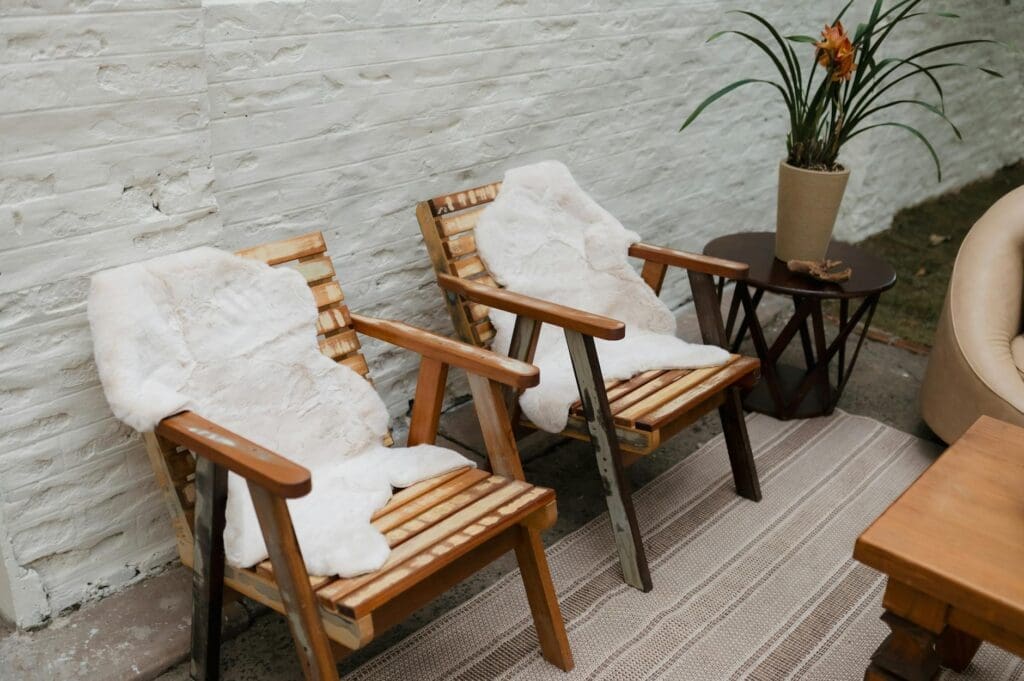
Wooden Adirondack chairs have an authentic, traditional look that many people find irreplaceable. The visible grain, natural imperfections, and warmth of real wood create a cottage or coastal vibe that feels organic. Teak ages beautifully to a silvery patina, while painted or stained cedar can match any color scheme. If you’re going for that classic New England coastal look or a rustic cabin aesthetic, wood is tough to beat.
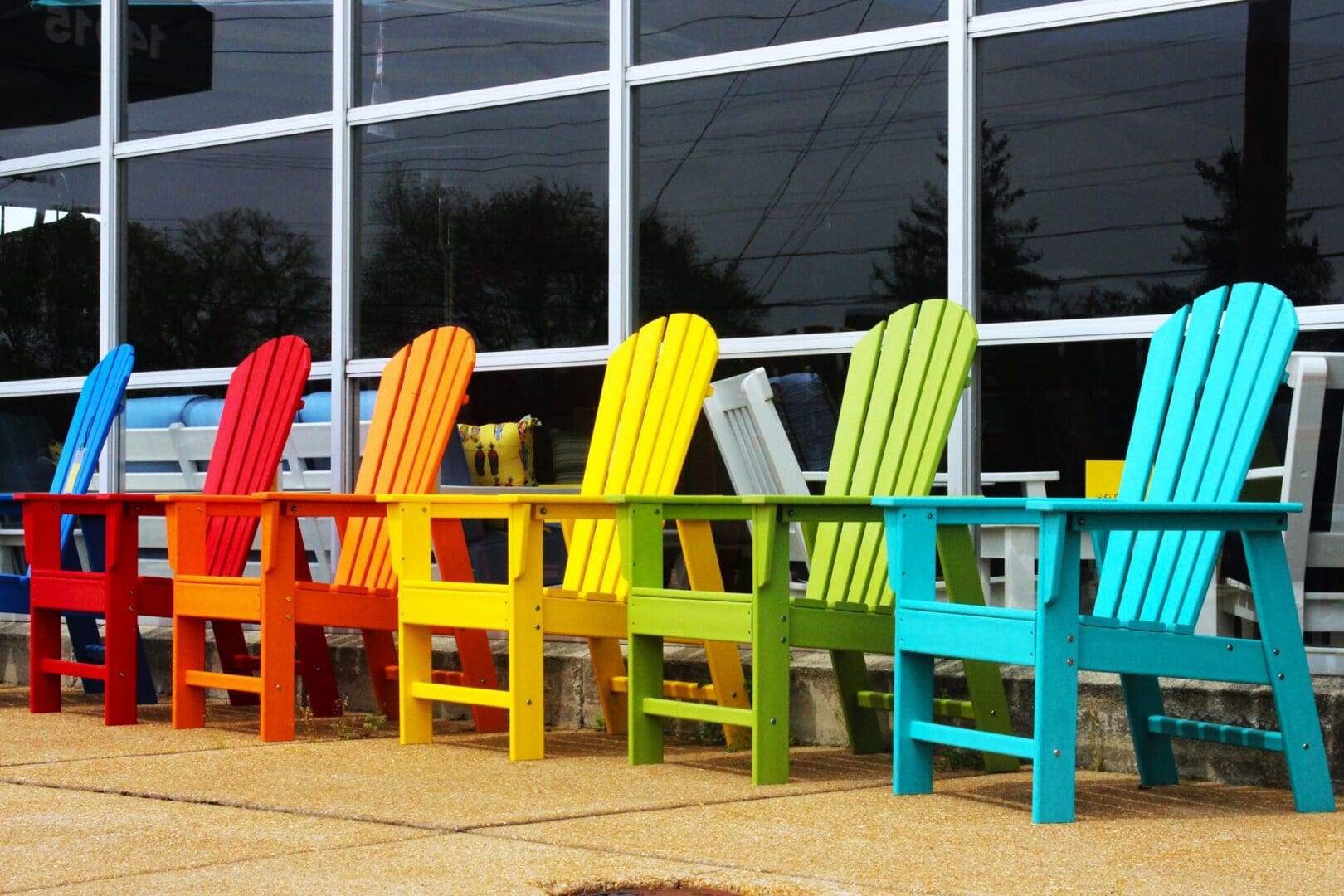
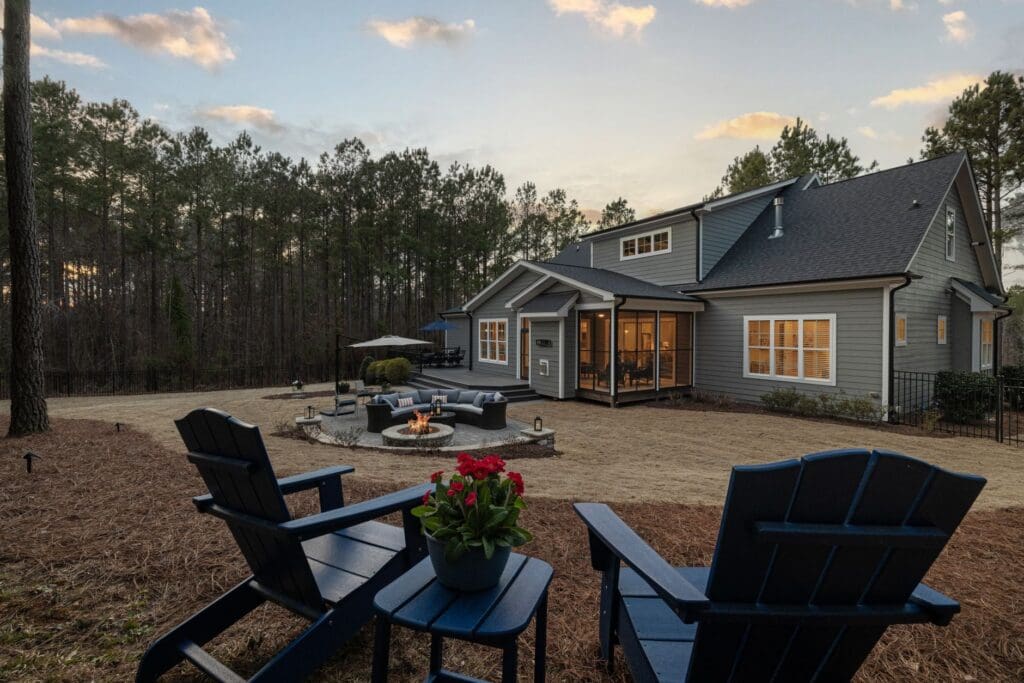
Poly chairs have come a long way from the cheap plastic lawn chairs of the ’90s. Modern poly Adirondacks are available in dozens of colors—from classic white and gray to bold blues, greens, and even two-tone options. They mimic the look of painted wood surprisingly well, with contoured slats and realistic textures. From a distance, most people can’t tell the difference. Up close, they lack the organic character of wood, but they offer color consistency that wood can’t maintain without repainting.
Price Points and Long-Term Value
Budget matters, but so does the total cost of ownership over time.
Wooden Adirondack chairs range from $80-$150 for basic pine models (which need the most maintenance), $150-$300 for cedar, and $400-$800+ for premium teak. Factor in the annual cost of stain or sealant ($20-$40) plus your time, and the five-year cost adds up.
Poly chairs typically start around $200 for basic models and run $300-$600 for quality brands. High-end models with better construction and longer warranties can reach $700-$1,000. Yes, the upfront cost is usually higher than wood, but there are no ongoing maintenance costs. Over a 10-year period, poly chairs often cost less when you factor in materials and time.
The real question is whether you value the authentic look and feel of wood enough to commit to the maintenance, or whether you’d rather invest a bit more upfront for a set-it-and-forget-it solution. Neither answer is wrong—it depends entirely on your lifestyle, aesthetic preferences, and how you want to spend your weekends. If you’re still drawn to that classic Adirondack silhouette but unsure about size and placement, you’re not alone in trying to get the details right. Either way, you’re choosing a chair design that’s been beloved for over a century, so you really can’t go wrong.
High-quality poly Adirondack chairs made from HDPE (high-density polyethylene) are UV-stabilized and resist fading for years. Cheaper poly versions may fade within a season or two, so look for brands that offer fade warranties of at least 5 years.
How long do wooden Adirondack chairs last?
Cedar and teak Adirondack chairs can last 15-20 years with proper maintenance, including annual sealing or staining. Without regular care, even quality wood chairs may deteriorate in 5-7 years due to moisture, UV damage, and insect activity.
Are poly Adirondack chairs comfortable?
Yes, poly Adirondack chairs are just as comfortable as wood versions since they follow the same ergonomic design. Many people find them slightly more comfortable because poly doesn’t splinter and maintains a smoother surface over time.
What is the best wood for Adirondack chairs?
Teak is the gold standard for outdoor wooden furniture due to its natural oils that resist rot and insects. Cedar and eucalyptus are excellent mid-range options that offer good weather resistance at a more accessible price point.
Do poly Adirondack chairs get hot in the sun?
Poly chairs can get warm in direct sunlight, especially darker colors, but they cool down quickly when moved to shade. Lighter colors like white, tan, and gray reflect more heat and stay noticeably cooler than dark colors like navy or black.
There’s something wonderfully ironic about the Adirondack chair’s origin story. Back in 1903, Thomas Lee was vacationing in Westport, New York, frustrated by the lack of comfortable outdoor seating that could handle the sloped terrain of his property. So he built a wide-backed, slatted chair with a reclined seat—and accidentally created an icon. Today, you’ll […]
A dark backyard feels smaller, less usable, and honestly a bit uninviting once the sun goes down. Whether you’re trying to make your outdoor space safer, extend your entertaining hours, or simply discourage unwanted visitors, the right flood lights can completely transform how you use your yard after dark. The challenge is figuring out which […]
You’ve found the perfect outdoor rug to tie your patio together, but three months later it’s faded, mildewed, or falling apart. Sound familiar? The material makes all the difference when it comes to outdoor rugs that actually last. Unlike indoor rugs that live cushy lives away from the elements, your outdoor rug needs to handle […]