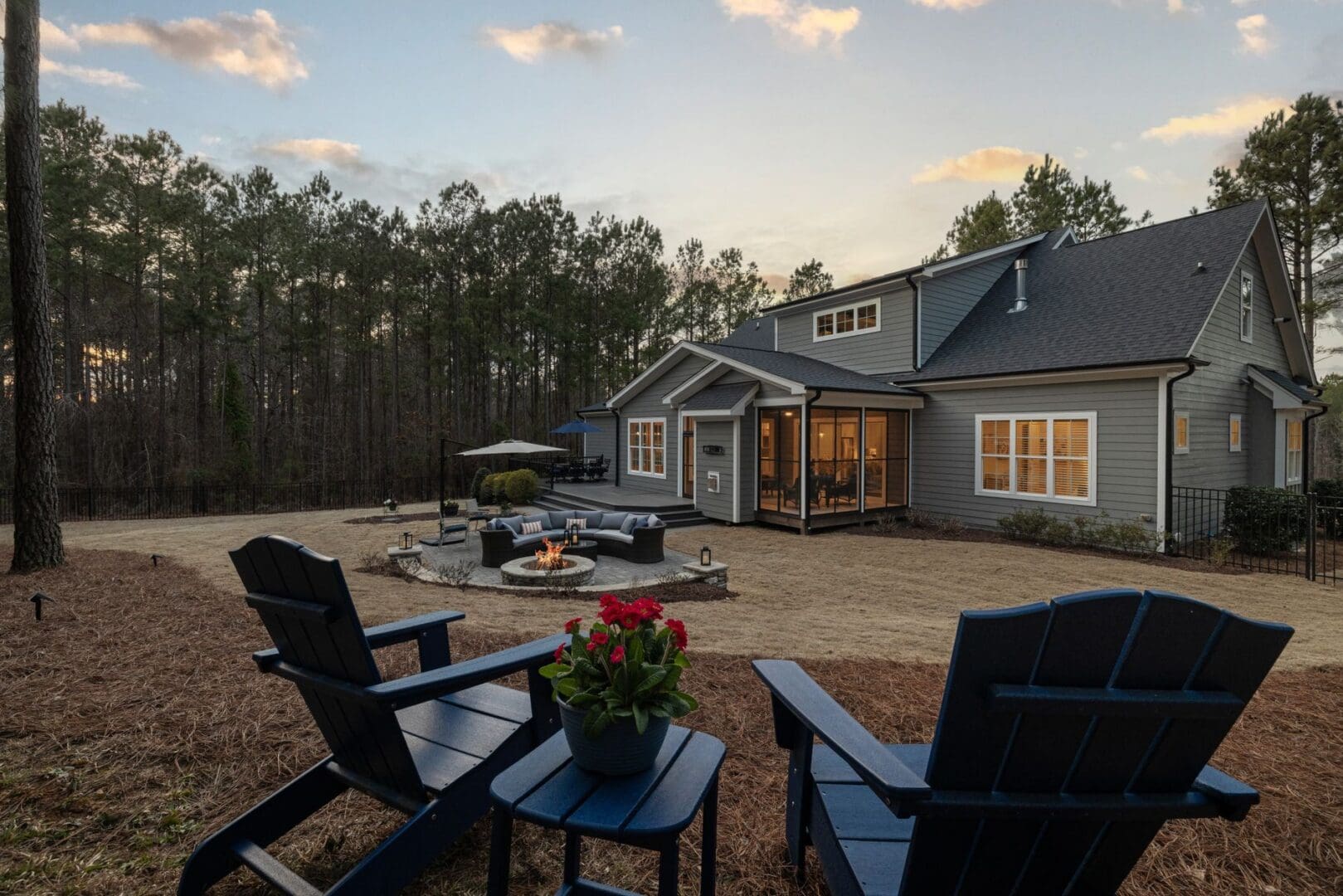
There’s something wonderfully ironic about the Adirondack chair’s origin story. Back in 1903, Thomas Lee was vacationing in Westport, New York, frustrated by the lack of comfortable outdoor seating that could handle the sloped terrain of his property. So he built a wide-backed, slatted chair with a reclined seat—and accidentally created an icon. Today, you’ll find variations of his design on porches, decks, and patios everywhere. But not all Adirondack chairs are created equal, and choosing the right one involves more than just picking a color.
Material Matters: Wood, Plastic, or Polywood?
The material you choose determines everything from how often you’ll need to maintain your chairs to how long they’ll last. Traditional cedar Adirondack chairs offer that classic look and natural weather resistance, typically running $150-$250. They’ll develop a silvery patina over time unless you seal them annually. Teak is the premium wood option at $400-$800, naturally resistant to rot and insects, aging beautifully without much fuss.
Polywood and recycled plastic chairs have become increasingly popular for good reason. They won’t splinter, crack, or fade, and you can leave them outside year-round without worry. Quality polywood chairs range from $200-$500 and come in dozens of colors that stay vibrant for years. The trade-off? They lack the warmth and texture of real wood, though manufacturing has improved significantly in recent years.
Painted pine chairs are your budget-friendly entry point at $50-$150, but they require the most maintenance. Expect to repaint every few years and watch for peeling in humid climates. They’re perfectly fine if you’re testing the waters or furnishing a vacation property where longevity isn’t the priority.
Size and Proportions: Finding Your Fit
Standard Adirondack chairs are surprisingly roomy, with seats typically 20-22 inches wide—but that doesn’t mean one size fits all. If you’re over six feet tall, look for chairs with extended backs and deeper seats. Some manufacturers offer “tall” versions with an extra 3-4 inches of height that make a real difference in comfort.
Oversized or “big boy” Adirondack chairs run 30-33 inches wide and can accommodate larger frames or anyone who just wants to curl up with extra room. They’re wonderful, but make sure you have the patio space—a pair of oversized chairs needs about 6-7 feet of width to sit comfortably side by side.
Then there are folding Adirondacks, which sacrifice a bit of sturdiness for storage convenience. These work well for smaller patios or if you like to rearrange frequently, though the hinges and hardware require occasional tightening.
Design Details That Actually Matter
The classic Adirondack has a fan-shaped back, but you’ll also find rounded backs, curved designs, and modern interpretations with sleeker lines. Beyond aesthetics, pay attention to practical features. Contoured seats with a gentle curve feel better for long sits than flat slats. Wide, flat armrests double as drink holders or book rests—some even have built-in cup holders, though purists might consider that sacrilege.
Look at how the chair is constructed. Stainless steel hardware resists rust far better than regular screws. Chairs assembled with waterproof glue in addition to fasteners hold up better in wet climates. If you’re buying wood, check that slats are thick enough (at least 3/4 inch) to prevent warping.
Ottoman or footrest options turn your Adirondack setup into a proper lounging station. Some people swear by them; others find the chair’s recline sufficient. If you’re someone who likes to put your feet up, it’s worth considering—they typically add $75-$150 to your total investment.
Color, Finish, and Weathering Expectations
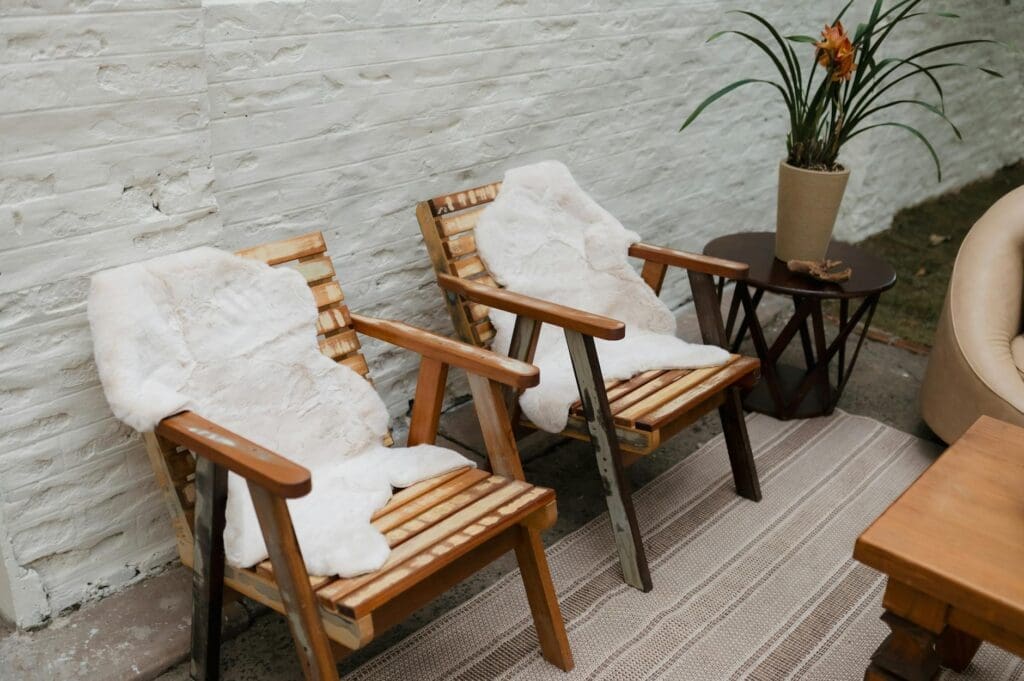
Natural wood will weather to gray unless you seal it, which is actually a beautiful look if you’re going for coastal or rustic vibes. If you want to maintain the original wood tone, plan on applying a UV-protective sealant once or twice a year. Painted finishes require touch-ups as they chip and fade, especially on high-contact areas like armrests.
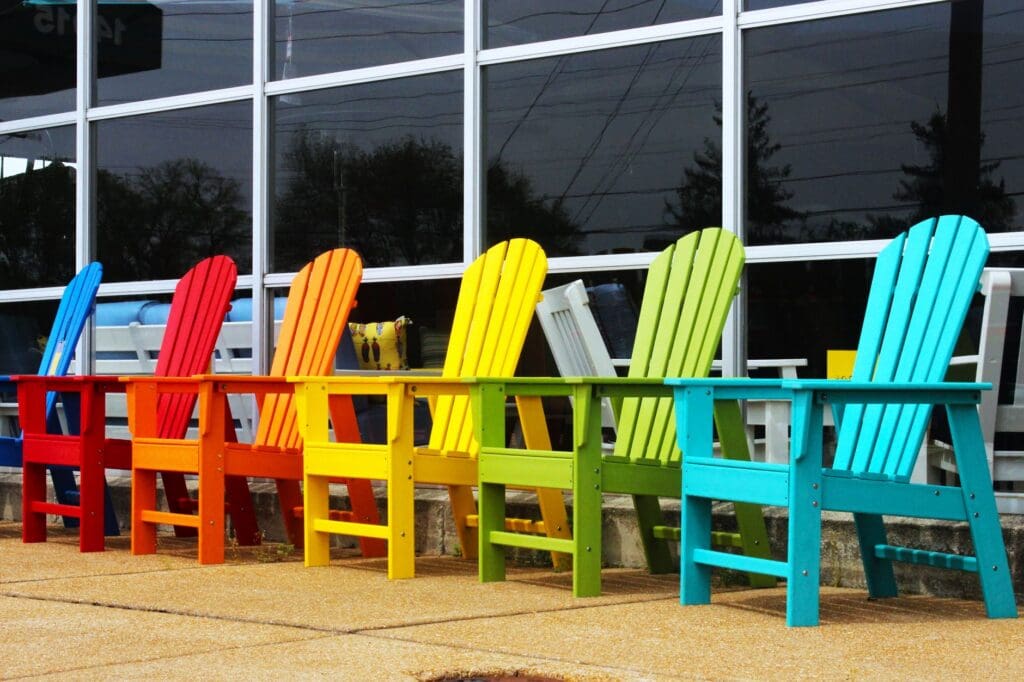
Polywood chairs come in an almost overwhelming array of colors—from classic white and forest green to vibrant turquoise and sunset orange. The color goes all the way through the material, so scratches don’t show. Darker colors can get hot in direct sun, while lighter shades stay cooler but may show dirt more readily.
The beauty of the Adirondack chair is that Thomas Lee’s basic concept still works perfectly 120 years later. Whether you invest in budget-friendly pine or splurge on teak, you’re buying into a design that’s proven itself on hillsides, beaches, and backyards for generations. Focus on the material that fits your maintenance tolerance and the size that suits your space, and you’ll have a favorite outdoor seat for years to come.
What is the best material for an Adirondack chair?
The best material depends on your priorities. Polywood and recycled plastic offer the lowest maintenance and longest lifespan, while cedar and teak provide authentic wood beauty with moderate upkeep. Painted pine is the most budget-friendly but requires regular maintenance.
Are Adirondack chairs comfortable?
Yes, Adirondack chairs are designed specifically for comfort with their reclined backrest and wide armrests. The angled seat and contoured back make them ideal for relaxing for extended periods. However, some people prefer adding a cushion for extra softness.
How much should I spend on an Adirondack chair?
Budget Adirondack chairs in pine or plastic start around $50-$100. Mid-range options in cedar or quality polywood run $150-$300. Premium teak or high-end polywood chairs can cost $400-$800 or more.
Do Adirondack chairs need to be covered in winter?
It depends on the material. Polywood and quality plastics can stay outside year-round uncovered. Wood chairs last longer with covers or winter storage, especially painted varieties that can peel or crack with exposure to harsh weather.
What’s the difference between an Adirondack chair and a regular patio chair?
Adirondack chairs feature a distinctive reclined backrest, wide armrests, and a slanted seat designed for lounging rather than upright sitting. Traditional patio chairs typically have a more vertical back and are better suited for dining or shorter sitting periods. The Adirondack design prioritizes relaxation over function.
You’ve fallen for the classic look of Adirondack chairs, but now you’re stuck at the fork in the road: traditional wood or modern poly? It’s not just about aesthetics—this decision affects how much time you’ll spend on maintenance, how long your chairs will last, and whether you’ll be repainting in two years or still enjoying […]
A dark backyard feels smaller, less usable, and honestly a bit uninviting once the sun goes down. Whether you’re trying to make your outdoor space safer, extend your entertaining hours, or simply discourage unwanted visitors, the right flood lights can completely transform how you use your yard after dark. The challenge is figuring out which […]
You’ve found the perfect outdoor rug to tie your patio together, but three months later it’s faded, mildewed, or falling apart. Sound familiar? The material makes all the difference when it comes to outdoor rugs that actually last. Unlike indoor rugs that live cushy lives away from the elements, your outdoor rug needs to handle […]