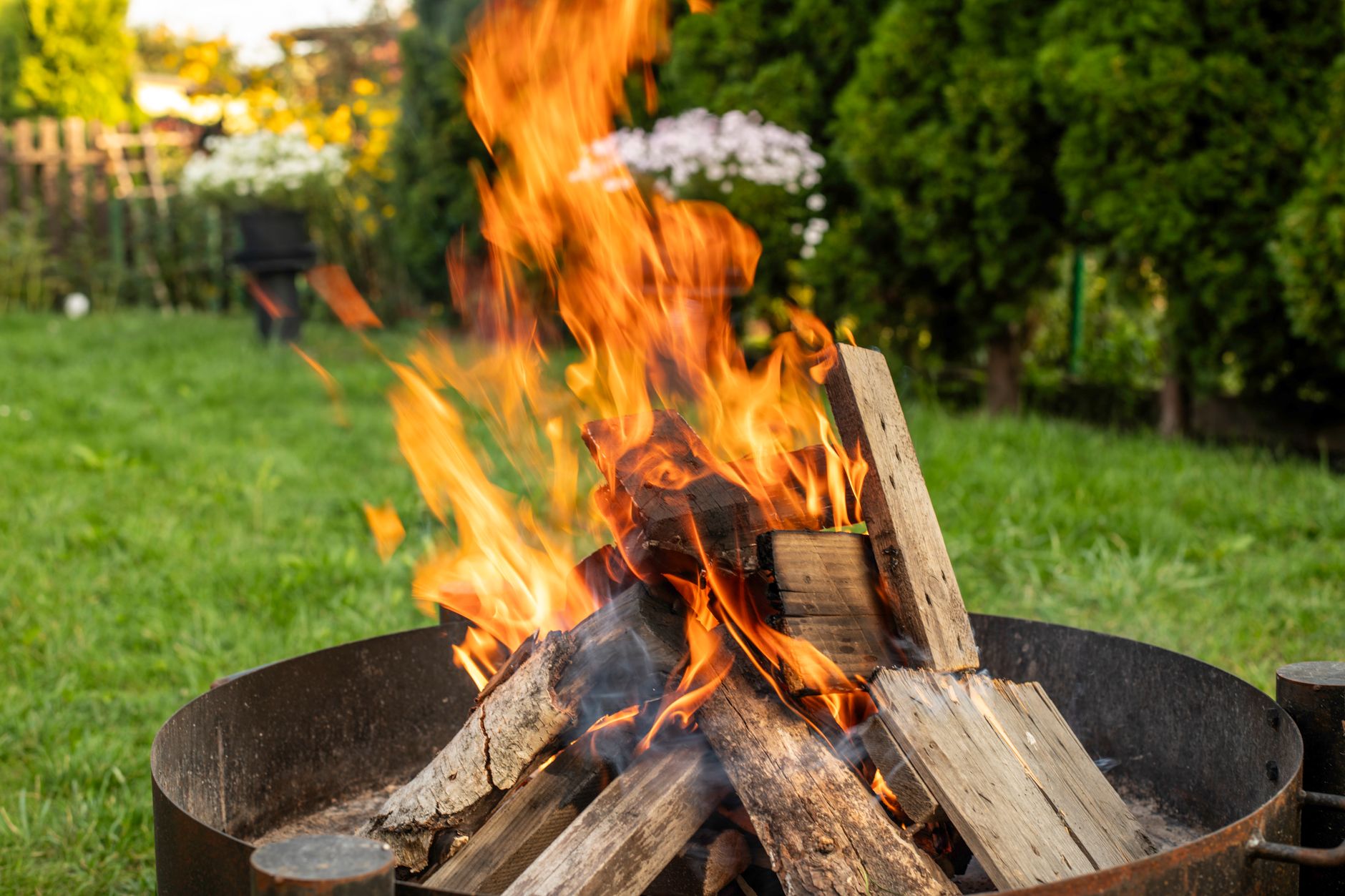
There’s nothing quite like gathering around a fire pit on a cool evening—until a gust of wind sends smoke billowing in everyone’s face or scatters embers across your deck. If your backyard gets regular breezes (or worse, full-on gusts), choosing the right fire pit takes a bit more thought. The good news? With the right features and setup, you can absolutely enjoy a fire pit even in less-than-calm conditions.
Gas vs. Wood: Which Handles Wind Better?
This is the first decision you’ll need to make, and it matters more in windy spots than you might think. Gas fire pits—whether propane or natural gas—have a clear advantage when it comes to breezy backyards. The flame stays more controlled, you can adjust the height on the fly, and there are no flying embers to worry about. When wind picks up, you can simply turn down the flame rather than watching your wood fire scatter sparks everywhere.
Wood-burning fire pits create a more traditional campfire experience with crackling sounds and that unmistakable smell, but they’re trickier in wind. Embers can blow out of the pit, smoke changes direction constantly, and keeping the fire going requires more attention. If you’re set on wood, you’ll absolutely need a spark screen—and probably a spot with some natural wind protection.
Budget-wise, basic gas fire pits start around $200-$300, while quality wood-burning models with good spark screens run $150-$400. Mid-range gas options with wind guards fall in the $400-$800 range, and premium models with built-in wind protection can reach $1,000-$2,500.
Wind Guards and Protective Features
This is where things get specific. If you’re going with gas, look for models that include tempered glass wind guards. These transparent panels surround the flame on three or four sides, protecting it from gusts while still letting you see the fire. They make a dramatic difference—the flame stays steady and visible even when the wind would normally blow it out.
For wood-burning pits, a heavy-duty spark screen isn’t optional in windy conditions—it’s essential. Look for screens made from fine steel mesh with secure, latching closures. The cheap domed screens that just sit on top will blow right off. Some higher-end wood fire pits come with hinged screens that lock in place, which is worth the extra cost if you deal with frequent wind.
Fire pit tables are another smart option for windy yards. The table structure itself acts as a partial wind break, and most come with glass beads or lava rocks that help weigh down the fuel area and prevent debris from blowing into the burner.
Size, Weight, and Stability
In windy conditions, a heavy, stable fire pit is your friend. Lightweight portable models might seem convenient, but they can tip over in strong gusts or skitter across your patio. Look for fire pits that weigh at least 40-50 pounds, or models with a wide, stable base.
Bowl-style fire pits with lower profiles handle wind better than tall chimineas or raised models. The lower the flame sits, the less wind affects it. If you love the look of a raised fire pit, make sure it has a substantial base or can be anchored somehow.
Cast iron and thick steel construction adds weight and won’t blow over easily. Copper fire pits are beautiful but tend to be lighter—if you choose copper, look for models with reinforced bases. Concrete or stone fire pits are naturally wind-resistant due to their weight, though they’re permanent installations rather than movable options.
Placement and Setup Considerations
Even the best fire pit for wind needs smart placement. Look for naturally sheltered spots in your yard—near (but not too near) a fence, wall, or hedge that can block prevailing winds. Just make sure you’re still following clearance requirements for safety.
Avoid completely enclosed spaces, though. You need ventilation for smoke and carbon monoxide, even with gas pits. A spot with protection from the strongest wind direction but open on other sides hits the sweet spot. Creating a semi-enclosed patio area with outdoor furniture or partial walls can provide wind protection while keeping things safe and comfortable.
Consider adding a permanent paver or concrete pad underneath your fire pit. This adds stability, protects your grass or deck, and gives you a level surface that won’t shift in weather. It also makes your setup feel more intentional and anchored.
Choosing a fire pit for a windy backyard comes down to prioritizing control and protection. Gas models with wind guards offer the easiest experience, while wood-burning options require more careful setup and better screening. Look for substantial weight, low-profile designs, and features specifically designed to handle gusts. With the right pick and smart placement, you’ll spend your evenings enjoying the fire instead of chasing sparks across the yard.
Your choice between gas and wood will also impact how your fire performs in wind, so our guide to wood burning vs propane fire pits is worth a look.
Frequently Asked Questions
What type of fire pit is best for windy conditions?
Gas fire pits with wind guards are the best choice for windy areas because they maintain consistent flames and include protective glass panels. Propane models with adjustable flame height let you lower the flame when gusts pick up, preventing blowouts and keeping embers contained.
How do I keep my fire pit lit in the wind?
Position your fire pit in a naturally sheltered spot like near a fence or wall, and use wind guards or fire pit screens to protect the flame. Gas models hold up better than wood-burning pits in wind, and keeping the flame lower helps prevent it from being extinguished by gusts.
Are smokeless fire pits better in windy backyards?
Smokeless fire pits can actually be trickier in windy conditions because their airflow design relies on specific ventilation patterns that wind can disrupt. However, their enclosed design does help contain sparks and embers better than traditional open fire pits, which is a safety advantage.
Do I need a fire pit screen for a windy backyard?
Yes, a fire pit screen is essential in windy conditions to prevent embers and sparks from blowing out and potentially causing fires. Look for heavy-duty mesh screens with secure closures that won’t blow off, or choose a fire pit with a built-in tempered glass wind guard for gas models.
Can wind damage a fire pit?
Strong winds can knock over lightweight fire pits and blow debris into them, potentially damaging burners or fire bowls. Wind can also fan flames too high in wood-burning models, causing warping or cracking in cheaper materials. Choose heavier, stable models made from durable materials like steel or cast iron for windy locations.
When you’re renting, creating an inviting outdoor space can feel like a puzzle with half the pieces missing. You can’t exactly drill into the siding or rewire the porch—but you absolutely can have beautiful lighting that makes your patio or balcony feel like home. Battery operated outdoor lights give you all the ambiance without any […]
Your front door is the first thing guests see, and the right outdoor wall lights can transform it from a dim afterthought into a warm, welcoming focal point. But walk into any lighting showroom and you’ll face hundreds of options—from traditional coach lanterns to sleek modern sconces. The good news? Narrowing down your choices is […]
You’ve fallen for the classic look of Adirondack chairs, but now you’re stuck at the fork in the road: traditional wood or modern poly? It’s not just about aesthetics—this decision affects how much time you’ll spend on maintenance, how long your chairs will last, and whether you’ll be repainting in two years or still enjoying […]