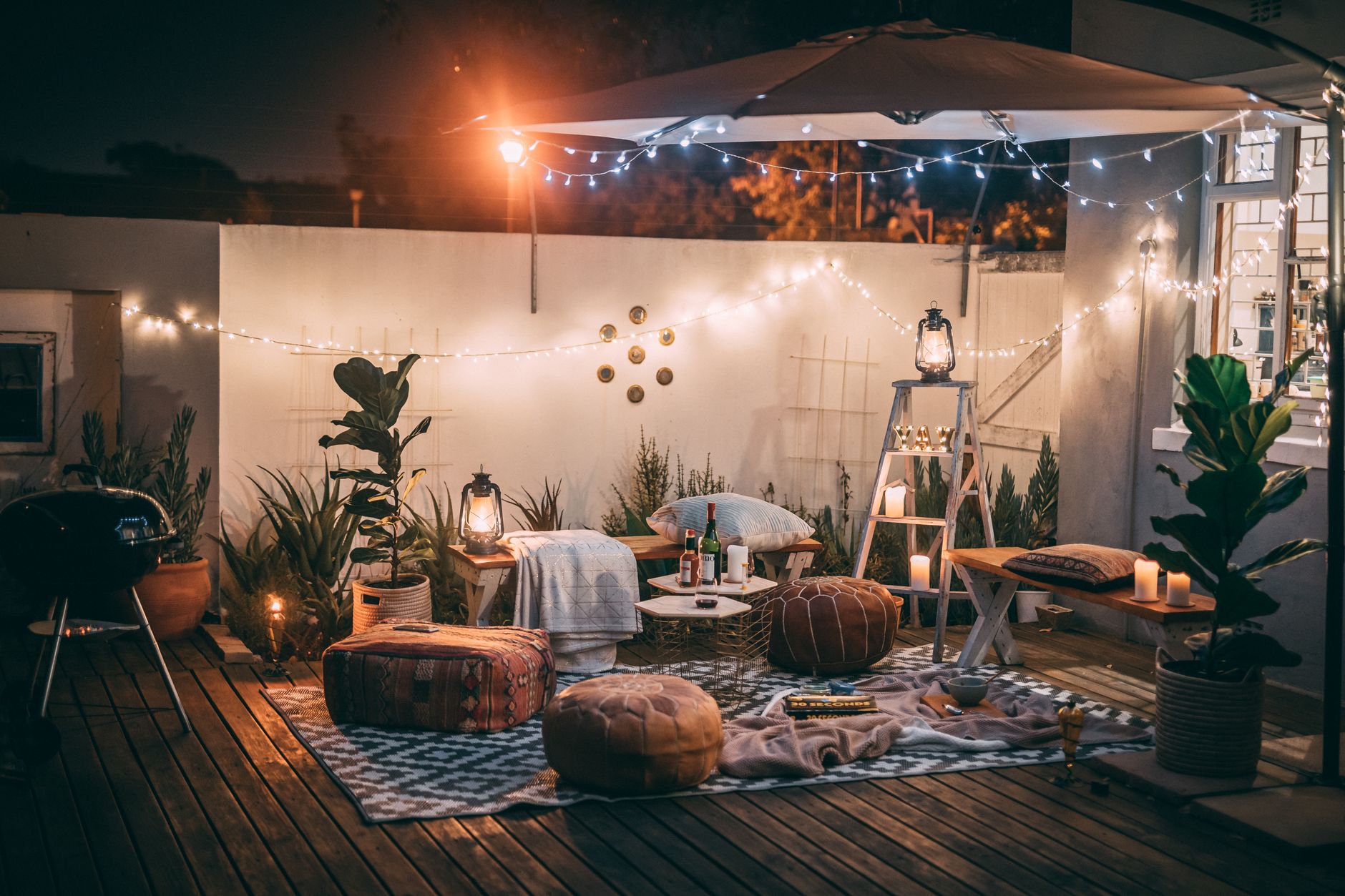
When you’re renting, creating an inviting outdoor space can feel like a puzzle with half the pieces missing. You can’t exactly drill into the siding or rewire the porch—but you absolutely can have beautiful lighting that makes your patio or balcony feel like home. Battery operated outdoor lights give you all the ambiance without any of the landlord approval headaches.
The trick is choosing lights that actually hold up outdoors and deliver the look you want. Not all battery lights are created equal, and what works inside won’t necessarily survive a summer rainstorm or winter freeze.
Weather Resistance and Durability
Your first priority should be checking the IP rating—that’s the “ingress protection” code that tells you how well the light stands up to water and dust. For outdoor use, look for at least IP44, which means the light can handle splashing water from any direction. If your space is particularly exposed to rain, IP65 is even better.
Pay attention to the battery compartment design. It should have a rubber gasket or seal to keep moisture out. Cheaper lights often have loose-fitting battery covers that let water seep in, which corrodes the batteries and kills the light within weeks. Quality outdoor battery lights will specifically mention weatherproof or water-resistant battery housings.
Materials matter too. Look for housings made from durable plastic, powder-coated metal, or stainless steel. Avoid anything that’s just painted metal—it’ll rust quickly. String lights should have thick, weatherproof wire coating, not the thin stuff you’d use on a Christmas tree indoors.
Battery Type and Runtime
You’ve got two main options: disposable batteries (usually AA or AAA) or rechargeable built-in batteries. Disposable batteries are convenient because you can swap them quickly, and they work well if you only use the lights occasionally. Expect to replace them every 2-4 weeks with regular use, which runs about $5-15 per swap depending on the number of batteries.
Rechargeable battery lights cost more upfront—typically $25-80 per fixture versus $15-40 for disposable options—but they’re more economical long-term. Most need charging every 3-5 days with nightly use. The catch is remembering to bring them inside to charge, unless you opt for solar-rechargeable hybrids that top themselves off during the day.
Runtime is crucial. LED lights are your friend here—they draw minimal power and can run 8-12 hours on a charge or battery set. Look for lights with adjustable brightness or timer functions so you can extend battery life when you don’t need full power.
Style and Placement Options
Think about how you’ll actually install these lights without drilling holes or using permanent hardware. String lights are rental favorites because you can hang them from existing hooks, railings, or shepherd’s hooks stuck into planters. Look for sets with built-in hanging loops and flexible wire.
Lanterns work beautifully on tables or hung from command hooks rated for outdoor use. Battery operated wall sconces with adhesive backing can add entryway lighting without damaging walls—just make sure they’re rated for your climate. Pathway lights with ground stakes slip easily into planter soil or between deck boards.
For balconies and small patios, consider compact options like LED candles in lanterns or small string light sets with 10-20 bulbs rather than 50. You want enough light to create ambiance without overwhelming your space or draining batteries too quickly on oversized displays.
Budget Considerations
Budget battery outdoor lights run $10-30 and work fine for a season or two if you’re just testing out your space. Mid-range options in the $30-70 range typically offer better weather sealing, brighter LEDs, and rechargeable batteries. These are the sweet spot for most renters—durable enough to move with you to your next place.
Splurge options above $70 include smart battery lights with app controls, premium materials like copper or teak, and extended warranties. These make sense if you’re serious about outdoor entertaining or know you’ll be renting for several years.
Whatever your budget, prioritize quality over quantity. Three reliable lights that last are better than ten that fail after one rainstorm. And remember—when you move, these all come with you, so think of them as an investment in every outdoor space you’ll rent.
Start with the basics: determine which areas need light most, check weather ratings carefully, and choose a battery type that matches your lifestyle. Battery operated lighting has come a long way in recent years, and there’s no reason your rental patio can’t feel just as inviting as any permanent home setup.
Can you leave battery operated outdoor lights outside?
Yes, but choose lights rated for outdoor use with weatherproof casings and sealed battery compartments. Most quality battery lights can handle rain and humidity, though extreme cold can reduce battery life temporarily.
How long do batteries last in outdoor lights?
LED battery lights typically run 6-12 hours per charge or battery swap, depending on brightness settings. Rechargeable options usually need charging every few days with nightly use, while disposable batteries may last 2-4 weeks.
Do battery operated lights work well outdoors?
Modern battery operated LED lights work beautifully outdoors and provide plenty of brightness for ambiance and safety. They’re particularly ideal for renters since they require no wiring or permanent installation.
What type of battery lights are best for outdoor use?
Look for LED lights with IP44 or higher weather resistance ratings. String lights, lanterns, and pathway lights with sealed battery compartments work best, especially those with rechargeable lithium batteries.
Are solar or battery lights better for rentals?
Battery lights give you more control over placement since they don’t need direct sunlight. However, solar-battery hybrid options offer the best of both worlds—free charging when possible with battery backup for cloudy days.
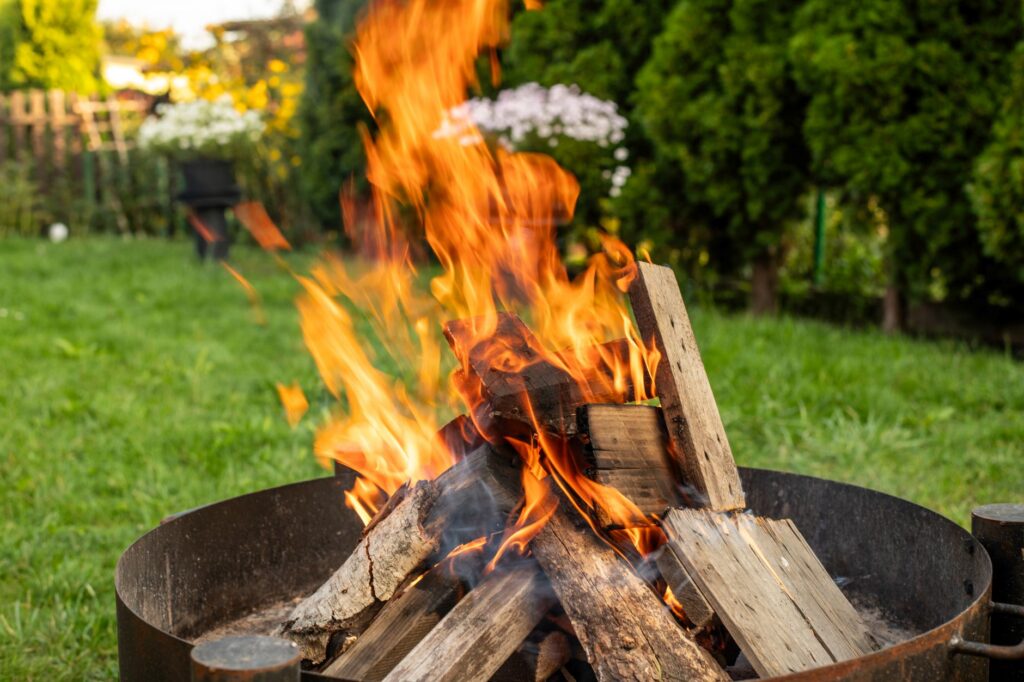
There’s nothing quite like gathering around a fire pit on a cool evening—until a gust of wind sends smoke billowing in everyone’s face or scatters embers across your deck. If your backyard gets regular breezes (or worse, full-on gusts), choosing the right fire pit takes a bit more thought. The good news? With the right […]
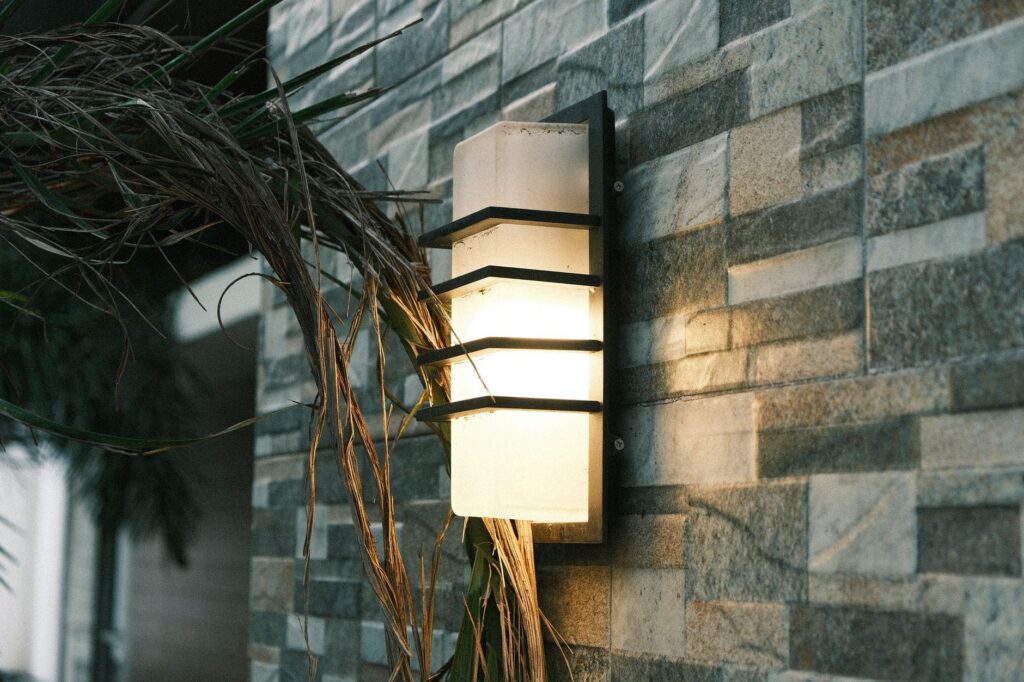
Your front door is the first thing guests see, and the right outdoor wall lights can transform it from a dim afterthought into a warm, welcoming focal point. But walk into any lighting showroom and you’ll face hundreds of options—from traditional coach lanterns to sleek modern sconces. The good news? Narrowing down your choices is […]
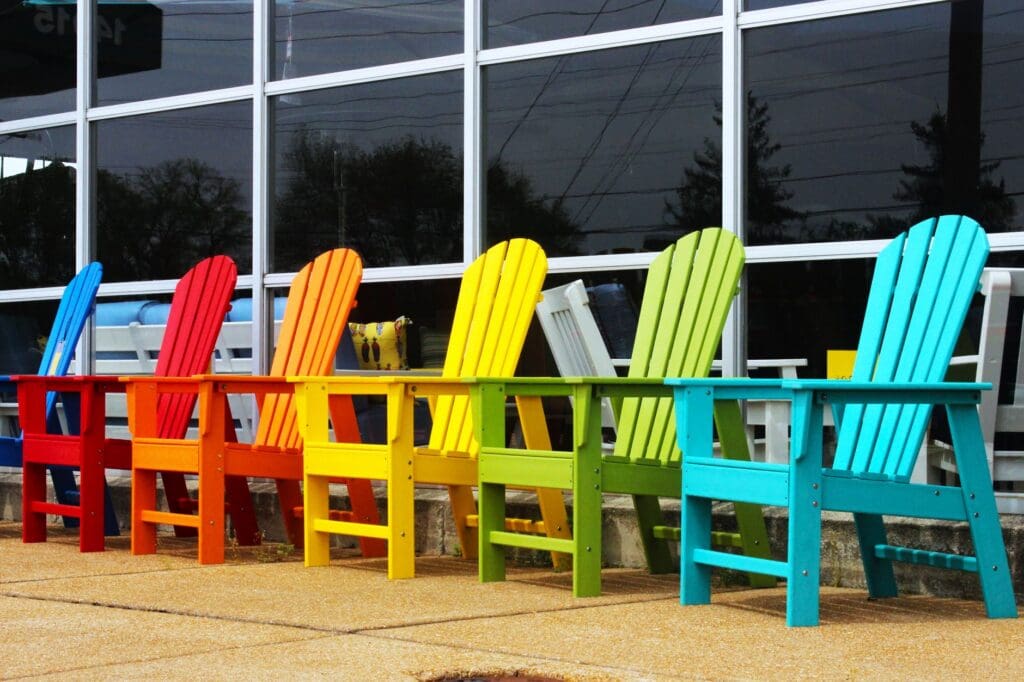
You’ve fallen for the classic look of Adirondack chairs, but now you’re stuck at the fork in the road: traditional wood or modern poly? It’s not just about aesthetics—this decision affects how much time you’ll spend on maintenance, how long your chairs will last, and whether you’ll be repainting in two years or still enjoying […]