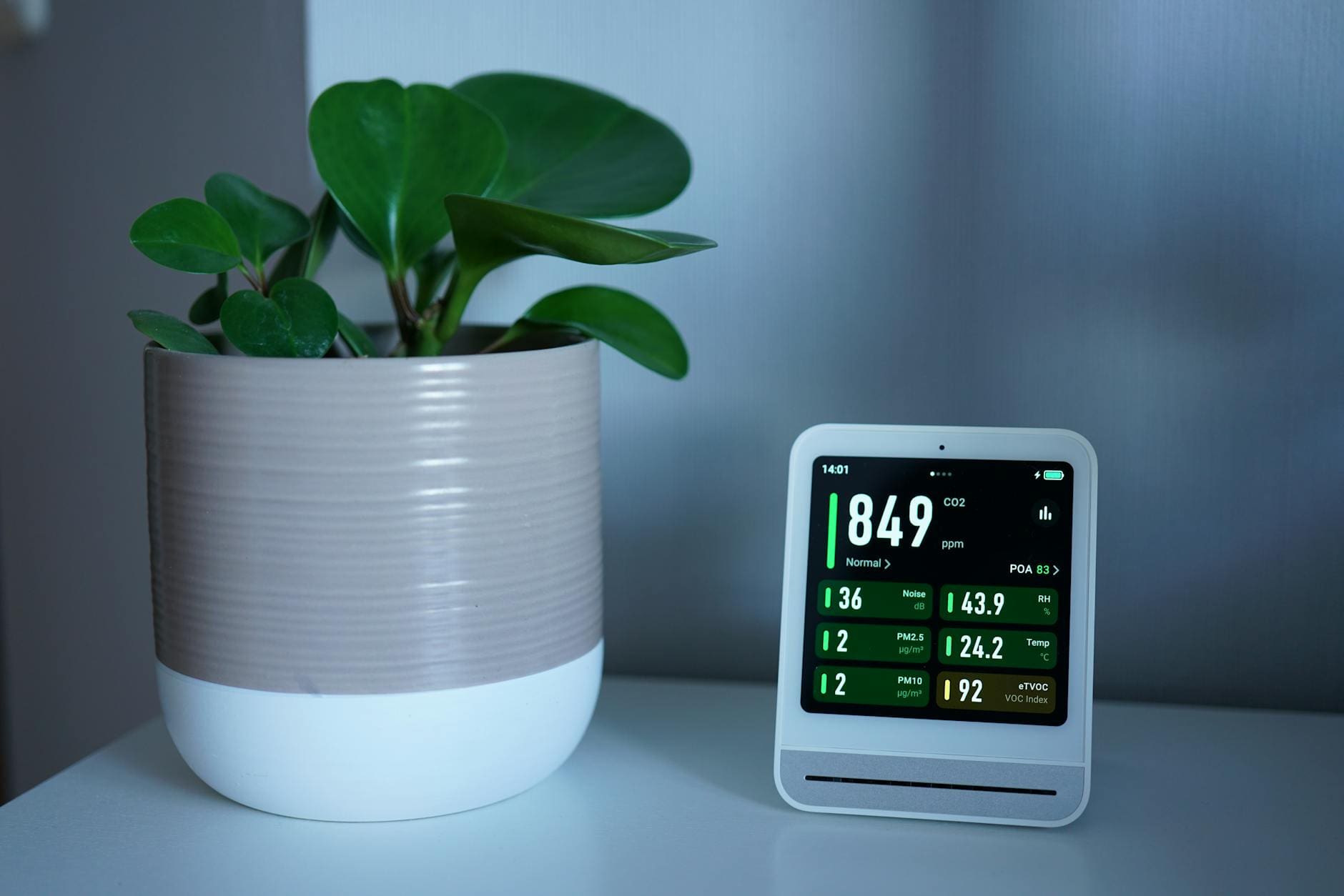
You bought an air purifier to breathe easier at home, but lately you’re wondering if it’s actually doing its job. Maybe you’ve noticed more dust settling on surfaces, or your allergies seem worse despite running the unit constantly. The culprit is probably simpler than you think: your filter needs replacing.
Knowing when to swap out that filter isn’t always obvious, especially since different models and environments create different replacement schedules. Let’s walk through the key signs and timelines so you can keep your air purifier working at its best.
Check Your Manufacturer’s Recommended Timeline First
Most air purifiers come with specific replacement guidelines, and these matter more than you might think. HEPA filters typically need replacing every 6-12 months, while activated carbon filters often need swapping every 3-6 months. Pre-filters, which catch larger particles, usually last 1-3 months depending on your air quality.
That said, these are baseline recommendations for average conditions. If you live in a high-pollution area, have multiple pets, or run your purifier 24/7, you’ll likely need to replace filters more frequently. Budget-friendly units (under $100) often require more frequent filter changes—sometimes every 2-3 months—while premium models ($300-$800) typically have longer-lasting filters that can stretch to a full year or beyond.
Write down your purchase date and set a reminder for the recommended replacement window. It’s easier than trying to remember six months from now.
Watch for These Physical and Performance Signs
Your air purifier will tell you when it’s struggling if you know what to look for. A visibly dirty filter is the most obvious sign—if you can see a layer of dust, pet hair, or discoloration when you open the unit, it’s time for a change. Some filters turn from white to gray or brown as they capture particles.
Performance drops are equally telling. If your purifier is running louder than usual, it’s working harder to pull air through a clogged filter. You might also notice weaker airflow from the vents, or the unit cycling on more frequently to maintain air quality. These are all red flags that the filter is restricting airflow and losing efficiency.
Pay attention to your home environment too. An increase in visible dust, lingering odors that used to disappear quickly, or worsening allergy symptoms despite regular purifier use all suggest the filter isn’t capturing particles effectively anymore.
Use Built-In Indicators (But Don’t Rely on Them Completely)
Many mid-range and premium air purifiers include filter replacement indicators—usually a light that changes color or blinks when it’s time for a new filter. These are helpful reminders, but they’re not always perfectly accurate.
Most indicators work on a simple timer based on hours of operation, not actual filter condition. If you live in a particularly dusty environment or have several pets, your filter might need replacing before the light comes on. Conversely, if you use your purifier sparingly in a clean environment, the indicator might trigger before the filter is actually spent.
Use the indicator as a helpful prompt to physically inspect your filter, rather than an absolute mandate. Open the unit, look at the filter’s condition, and make your own judgment call based on what you see.
Factor in Your Specific Environment and Usage
Your home’s unique conditions make a bigger difference than most people realize. If you’re in a wildfire-prone area, have smokers in the home, or deal with high pollen counts, your filters will fill up faster. Similarly, homes undergoing renovation, those with poor ventilation, or apartments near busy roads will tax filters more quickly.
Pet owners should expect to replace filters 25-50% more frequently than the baseline recommendation. Multiple pets, long-haired breeds, or animals that spend time outdoors will accelerate filter clogging even more. If you vacuum frequently and still see pet hair accumulating on furniture, your air purifier filter is likely working overtime.
Running your purifier on high settings constantly will also shorten filter life, though it’s better to replace filters more often than to breathe poor-quality air. Some people find it helpful to run purifiers on lower settings during mild seasons and save high-power operation for allergy season or poor air quality days.
Replacing your air purifier filter on time isn’t just about following a schedule—it’s about understanding how your specific situation affects performance. Keep an eye on those physical signs, check your filter every month or so, and don’t wait until your allergies flare up to take action. A fresh filter means your purifier can actually do what you bought it for: give you cleaner, healthier air to breathe every day.
If you’re shopping for an air purifier, you’ve probably noticed two main technologies dominating the market: ionic purifiers and HEPA filters. Both promise cleaner air, but they work in completely different ways—and when it comes to safety, one has a clear advantage. Let’s break down what you actually need to know to make the right […]
You know you want cleaner air at home, but standing in front of air purifier options can feel overwhelming. Should you invest in a whole house system that integrates with your HVAC, or stick with portable units you can move from room to room? The answer depends on your home’s layout, your budget, and how […]
Did You Know? The Declaration of Independence Was Likely Written in a Windsor Chair As America celebrates 250 years of independence, it’s worth looking at one of the quieter witnesses to that history: the humble Windsor chair. Thomas Jefferson is said to have drafted the Declaration of Independence while seated in an unusual revolving Windsor […]