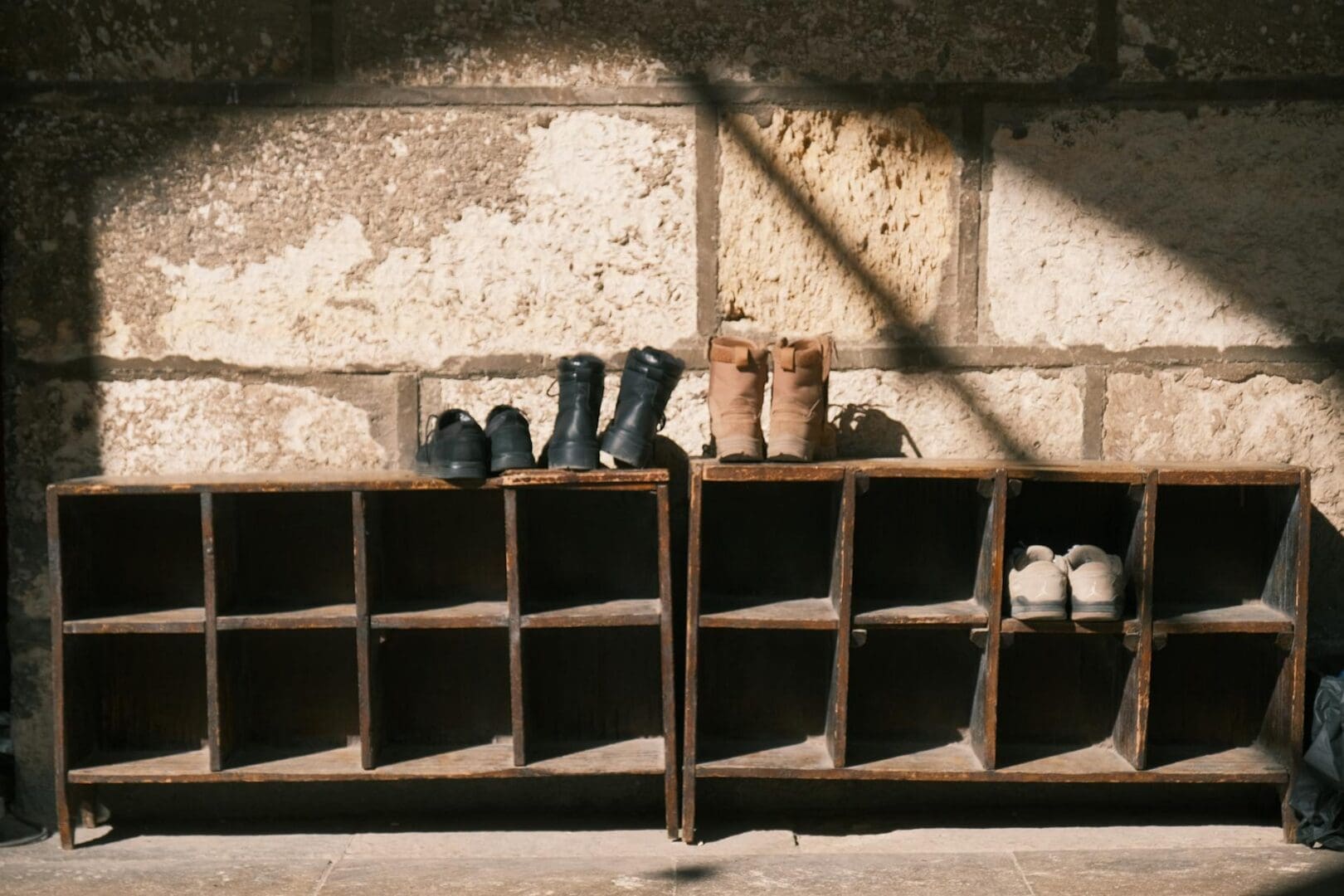
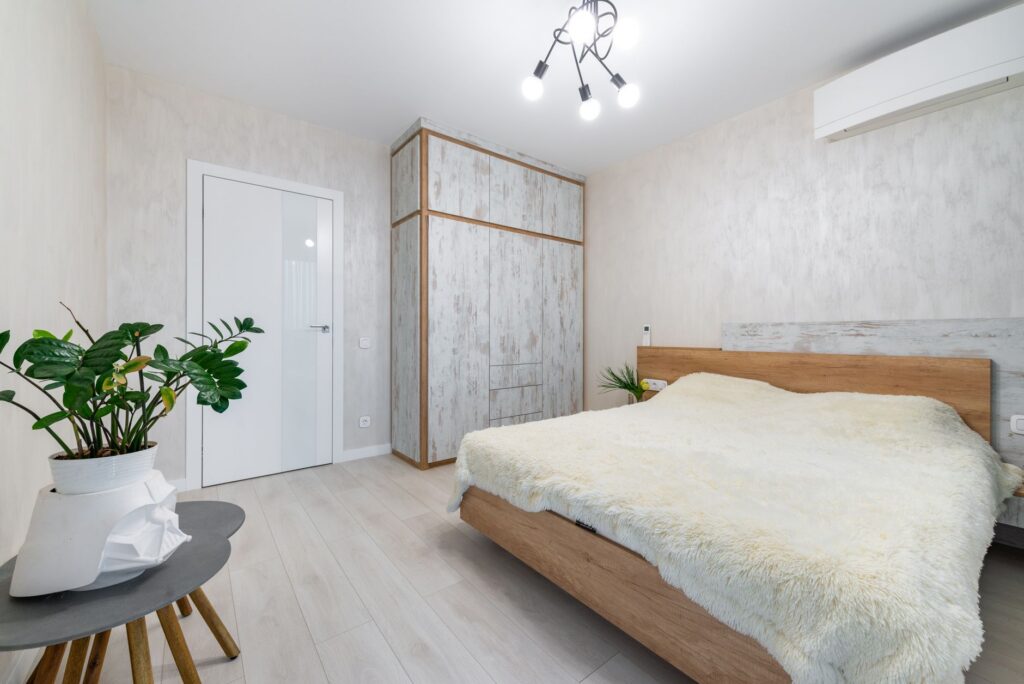
If you’re living with limited closet space—or no dedicated shoe closet at all—you know the struggle of watching your seasonal footwear take over your entryway, bedroom floor, or that corner you pretend isn’t a problem. Winter boots in July and sandals in December just add to the chaos. The good news? You don’t need a walk-in closet to keep your seasonal shoes organized and accessible. With the right storage furniture and a bit of strategy, you can reclaim your space and actually find the shoes you need when you need them.
Under-Bed Storage: Your Hidden Shoe Archive
The space under your bed is prime real estate for off-season shoes, especially if you’re working with a small bedroom. Look for low-profile storage bins specifically designed to slide under beds—ideally clear or labeled so you’re not playing a guessing game in six months. Rolling bins make access even easier if you need to swap out shoes mid-season.
Budget options like basic plastic bins start around $15-25 each, while more substantial under-bed organizers with dividers run $40-60. If you’re starting from scratch with your bed frame, consider platform beds with built-in storage drawers. These run $400-1,200 depending on size and quality, but they transform dead space into functional storage without requiring separate bins.
Pro tip: stuff boots with rolled newspaper or boot shapers before storing them flat to maintain their shape. Nobody wants crumpled boots when winter rolls around again.
Storage Benches and Ottomans: Dual-Purpose Solutions
Storage benches do double duty beautifully—they give you a place to sit while putting shoes on and hide your off-season collection inside. Place one at the foot of your bed, in your entryway, or under a window. Look for benches with lift-top lids rather than complicated hinges, and make sure the interior is deep enough for boots if that’s what you’re storing.
Entryway benches with storage typically range from $80-250 for basic styles, while upholstered options with tufting or premium fabrics can reach $300-600. Storage ottomans offer a more compact option for smaller spaces, starting around $50-100 for simple cube styles and going up to $200-400 for larger, well-constructed pieces.
The beauty here is that these pieces don’t scream “shoe storage”—they just look like intentional furniture that happens to solve your problem quietly.
Over-the-Door and Wall-Mounted Organizers
When floor space is tight, look up. Over-the-door shoe organizers aren’t just for closets—they work beautifully on bedroom doors, bathroom doors, or even pantry doors if you’re getting creative. The clear pocket style lets you see everything at a glance, which is genuinely helpful when you’re trying to remember if you kept those strappy sandals or donated them.
These organizers are budget-friendly, typically $12-30, and require zero installation. For a more permanent solution, wall-mounted shoe racks or cubbies give you similar vertical storage with a cleaner look. Floating shelves specifically designed for shoes run $40-120 and work especially well in entryways or mudrooms where you want storage that doesn’t feel hidden.
Just be realistic about weight limits—winter boots are considerably heavier than summer flats, so check the specs before loading everything up.
Decorative Baskets and Bins: Storage That Looks Intentional
Sometimes the best solution is the one that hides in plain sight. Large woven baskets, fabric bins, or even vintage trunks can corral seasonal shoes while looking like deliberate decor choices. Tuck them under console tables, beside your dresser, or in that awkward corner of your bedroom that never quite worked anyway.
Woven baskets large enough for shoes start around $25-50 for natural materials like seagrass or water hyacinth. Fabric storage cubes run $15-35 each and collapse when not in use. Decorative trunks and chests offer more substantial storage at $100-300, and they can double as side tables or extra seating when needed.
The key is choosing containers that match your existing decor so they feel integrated rather than like an afterthought. Label them if you’re using multiples—future you will appreciate the organization.
Living without a dedicated closet doesn’t mean living with shoe chaos. By treating seasonal shoe storage as a furniture decision rather than just an organization problem, you can find solutions that work with your space instead of fighting against it. Start by measuring what you’re actually storing, then choose one or two of these approaches based on where you have available space. Your floors—and your sanity—will thank you.
If you’re shopping for an air purifier, you’ve probably noticed two main technologies dominating the market: ionic purifiers and HEPA filters. Both promise cleaner air, but they work in completely different ways—and when it comes to safety, one has a clear advantage. Let’s break down what you actually need to know to make the right […]
You know you want cleaner air at home, but standing in front of air purifier options can feel overwhelming. Should you invest in a whole house system that integrates with your HVAC, or stick with portable units you can move from room to room? The answer depends on your home’s layout, your budget, and how […]
Did You Know? The Declaration of Independence Was Likely Written in a Windsor Chair As America celebrates 250 years of independence, it’s worth looking at one of the quieter witnesses to that history: the humble Windsor chair. Thomas Jefferson is said to have drafted the Declaration of Independence while seated in an unusual revolving Windsor […]