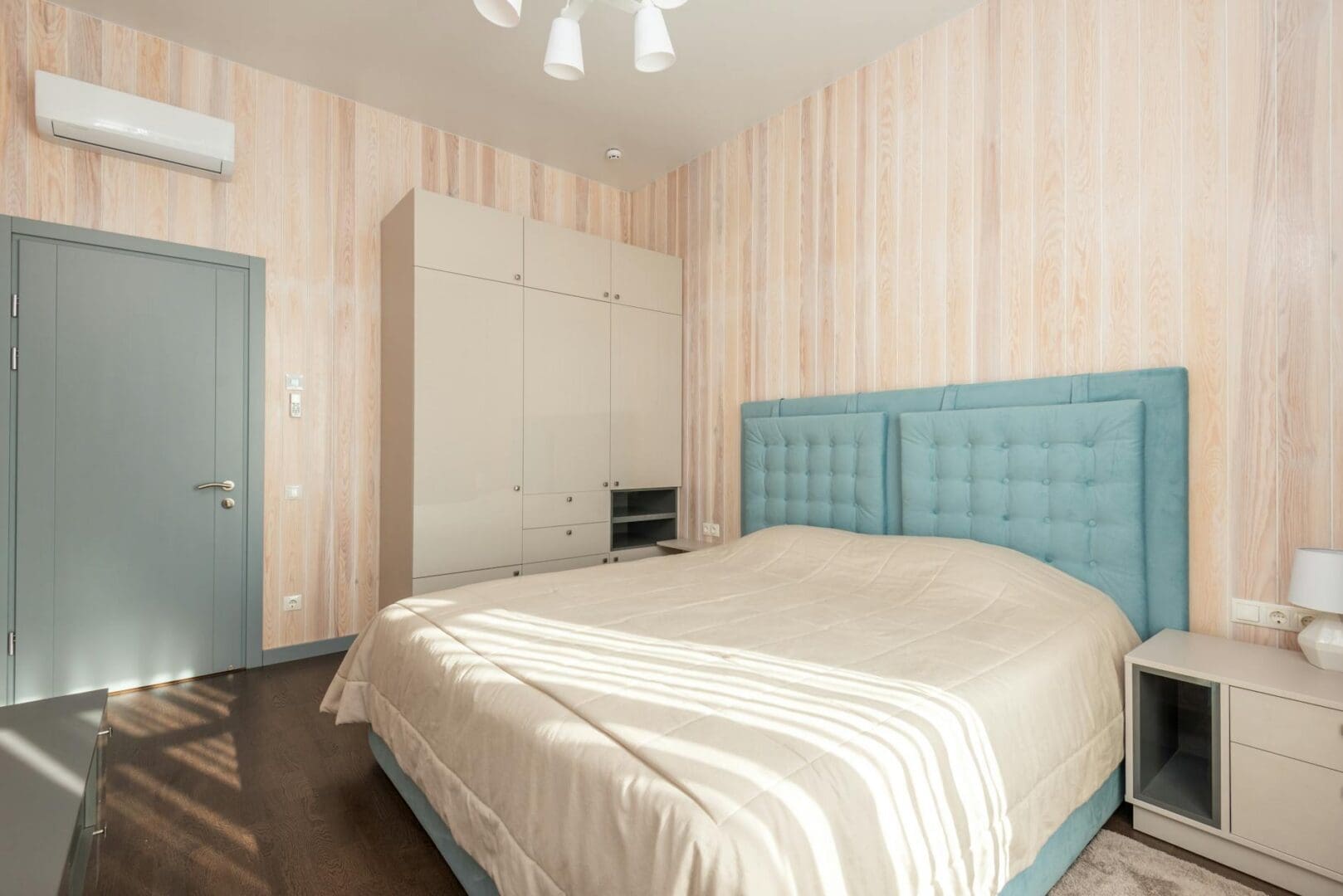
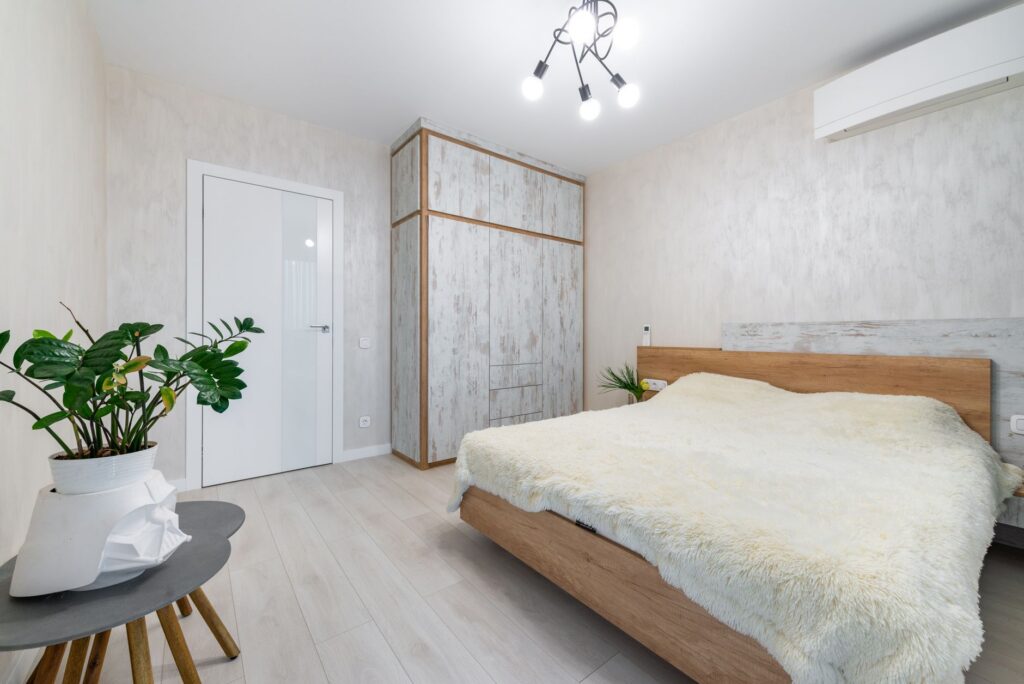
If you’re eyeing a storage bed to finally corral the clutter in your bedroom, you’re probably wondering: how much stuff can these actually hold? It’s a fair question, especially since storage beds typically cost $200-$800 more than their non-storage counterparts. Let’s break down exactly what you’re getting for that investment, so you can decide if it’s the right move for your space.
Drawer Storage Beds: The Details Matter
Drawer storage beds are the most common style, and the storage capacity varies wildly depending on the configuration. Most come with either two large drawers (one on each side) or four to six smaller drawers across the footboard and sides.
Two-drawer models typically offer about 4-6 cubic feet of total storage. Each drawer usually measures around 24-30 inches wide, 15-18 inches deep, and 6-8 inches tall. That’s enough for about 12-15 sweaters per drawer, or a full season’s worth of bedding like extra sheet sets and lightweight blankets.
Four to six-drawer configurations give you roughly the same total volume, but divided into smaller compartments. These work better for organizing smaller items like workout clothes, accessories, or kids’ clothing. The tradeoff? Bulkier items like comforters won’t fit as easily.
One thing to watch: drawer depth. Budget models ($400-$700) often have drawers only 12-14 inches deep, which sounds fine until you realize standard folded jeans are about 11 inches wide. Mid-range and higher-end beds ($700-$1,500) typically feature full-extension drawer glides and 16-18 inch depths that actually accommodate real-life items.
Lift-Up Storage Beds: The Space Champions
If maximum storage is your goal, hydraulic lift-up beds (also called ottoman beds) are the clear winners. These raise the entire mattress platform to reveal a cavernous storage area underneath.
A queen-size lift-up bed typically provides 20-30 cubic feet of storage—about four to five times more than drawer beds. That’s enough space for an entire wardrobe changeover, multiple sets of bedding, extra pillows, suitcases, or even archived boxes you don’t need daily access to.
The storage area is essentially the full footprint of your bed minus a few inches around the perimeter, and usually 10-13 inches deep. Most lift-up beds include a center divider or internal panel to keep items from shifting around, which is helpful for organization.
The downside? You need to remove everything from your nightstands and lift your mattress every time you access your stuff. This makes lift-up beds better suited for seasonal storage rather than daily-use items. They’re also pricier, typically starting around $800 and reaching $2,000+ for quality models with reliable gas lifts.
What Actually Fits Inside
Let’s get practical. Here’s what you can realistically store in each type:
Two-drawer storage bed: 2-3 complete seasonal wardrobes, 3-4 sheet sets, or about 8-10 pairs of shoes laid flat
Four to six-drawer bed: Same total capacity but better for smaller items—think t-shirts, pajamas, gym clothes, or kids’ toys organized by type
Lift-up storage bed: Your entire off-season wardrobe, all guest bedding, luggage, winter coats, or those special-occasion items you use a few times per year
Keep in mind that deeper drawers (8+ inches) can accommodate bulkier items like throw blankets or towels, while shallow drawers (5-6 inches) are really only suitable for clothing.
Making Your Decision
Storage beds make the most sense if you’re working with limited closet space, living in a smaller home, or trying to eliminate a dresser to create a more spacious bedroom. The key is matching the storage type to your actual habits. If you need daily access to workout clothes or pajamas, drawers are your friend. If you’re looking to stash bulky seasonal items and free up your hall closet, go with a lift-up design.
Measure what you’re actually planning to store before you buy. Grab those stacks of sweaters or count those sheet sets, and make sure the dimensions will work. A storage bed is only worth the investment if it genuinely solves your clutter problem—not if your stuff still ends up piled on that bedroom chair.
If you’re shopping for an air purifier, you’ve probably noticed two main technologies dominating the market: ionic purifiers and HEPA filters. Both promise cleaner air, but they work in completely different ways—and when it comes to safety, one has a clear advantage. Let’s break down what you actually need to know to make the right […]
You know you want cleaner air at home, but standing in front of air purifier options can feel overwhelming. Should you invest in a whole house system that integrates with your HVAC, or stick with portable units you can move from room to room? The answer depends on your home’s layout, your budget, and how […]
Did You Know? The Declaration of Independence Was Likely Written in a Windsor Chair As America celebrates 250 years of independence, it’s worth looking at one of the quieter witnesses to that history: the humble Windsor chair. Thomas Jefferson is said to have drafted the Declaration of Independence while seated in an unusual revolving Windsor […]