If your shoes are taking over your closet floor or piling up by the front door, an over the door shoe organizer might be exactly what you need. These space-saving solutions maximize vertical storage without requiring tools, wall damage, or a single square foot of floor space. But with options ranging from canvas pockets to metal racks, figuring out which style works best for your home takes a bit of know-how.
Pocket Style vs. Rack Style: Which Works Better?
The two main types of over the door organizers serve different needs, and your shoe collection will tell you which one makes sense.
Pocket-style organizers feature fabric compartments—usually clear vinyl or mesh—that hold shoes individually. They’re ideal for flats, sandals, sneakers, and kids’ shoes. Most hold 12 to 24 pairs depending on the design. The clear pockets make it easy to see what you have at a glance, and they typically cost between $15 and $35. The downside? Heels and boots don’t fit well, and the fabric can stretch over time with heavier shoes.
Rack-style organizers use metal or plastic bars that create individual shelves for each pair. These work beautifully for all shoe types, including heavier boots and heels. They’re sturdier and often hold more weight, but you’ll pay more—usually $30 to $70. The open design also means shoes are more exposed to dust, which matters if you’re storing seasonal footwear long-term.
Door Compatibility and Installation
Not all doors play nicely with organizers, so measure before you buy. Standard over the door hooks fit doors between 1.25 and 1.75 inches thick. If you have newer, thicker doors or trim that extends past the door edge, look for organizers with adjustable or extra-wide hooks.
Check the clearance between your door and frame too. Most organizers need at least 2 inches of space to hang properly. Tight clearances mean the organizer will catch when you close the door, which gets old fast. Some models come with hardware to mount directly into the door if hanging won’t work—helpful for bedrooms where you want the door to close flush.
The organizer’s height matters as well. Measure from the top of your door to where you want the organizer to end. Most range from 60 to 72 inches long. Too long, and it’ll drag on the floor; too short, and you’re wasting valuable storage space.
Capacity and What Really Fits
Advertised capacity rarely tells the whole story. A 24-pocket organizer sounds great until you realize it’s sized for children’s shoes or ballet flats. If you wear women’s size 9 or men’s size 10 and up, look for pockets measuring at least 7 inches wide and 6 inches tall. Many budget options use smaller pockets that work fine for kids but frustrate adults.
For rack styles, check the shelf depth. Shallow racks (3-4 inches) work for most shoes but won’t accommodate boots or larger sneakers. If you have a mix, consider a design with alternating shelf depths or adjustable bars.
Think about weight capacity too, especially for rack styles. Quality metal organizers handle 15-20 pounds without bending, while cheaper versions sag under the weight of just a few pairs of leather boots. If you’re storing heavier footwear, spending $50-70 on a reinforced rack saves you from replacing a flimsy one in six months.
Material Quality and Longevity
For pocket organizers, look for reinforced stitching around the pockets and sturdy oxford fabric or thick vinyl. Cheap mesh tears easily, and thin plastic cracks in dry climates. The hanging hooks should be metal, not plastic—plastic hooks break, usually while fully loaded.
With rack organizers, powder-coated steel beats plastic every time for durability. The coating prevents rust, which matters in humid climates or if you’re storing damp shoes. Chrome finishes look sleeker but can show scratches more easily.
The mounting hardware deserves attention too. Padded or rubberized hooks protect your door’s finish from scratches and prevent the organizer from sliding around when you grab shoes in a hurry.
Choosing the right over the door shoe organizer comes down to matching the style to your shoe types, confirming it fits your actual door dimensions, and investing in quality materials that’ll last. A well-chosen organizer transforms chaotic shoe piles into tidy, accessible storage—and reclaims that precious closet floor space for something more useful than tripping hazards.
If you’re shopping for an air purifier, you’ve probably noticed two main technologies dominating the market: ionic purifiers and HEPA filters. Both promise cleaner air, but they work in completely different ways—and when it comes to safety, one has a clear advantage. Let’s break down what you actually need to know to make the right […]
You know you want cleaner air at home, but standing in front of air purifier options can feel overwhelming. Should you invest in a whole house system that integrates with your HVAC, or stick with portable units you can move from room to room? The answer depends on your home’s layout, your budget, and how […]
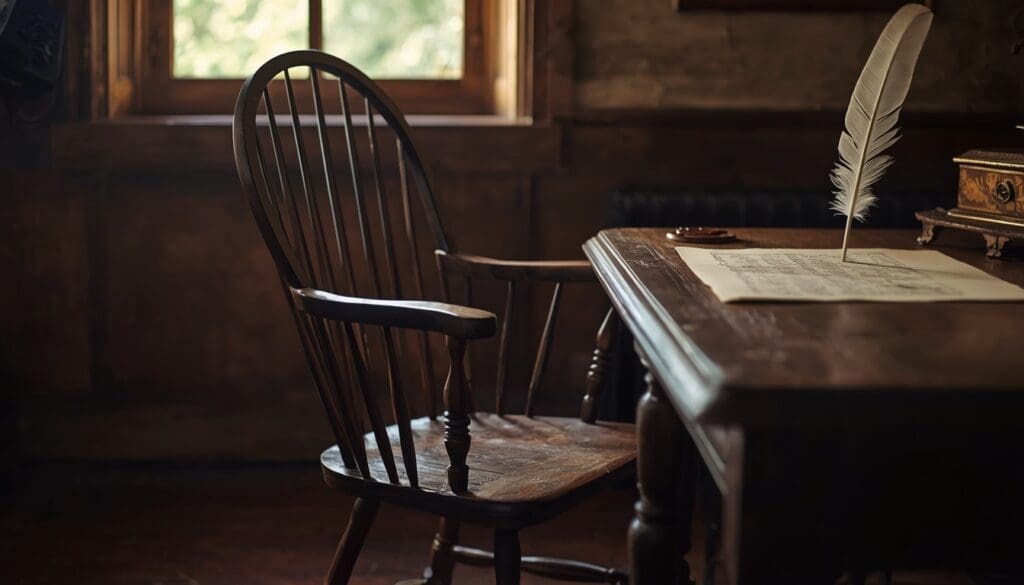
Did You Know? The Declaration of Independence Was Likely Written in a Windsor Chair As America celebrates 250 years of independence, it’s worth looking at one of the quieter witnesses to that history: the humble Windsor chair. Thomas Jefferson is said to have drafted the Declaration of Independence while seated in an unusual revolving Windsor […]