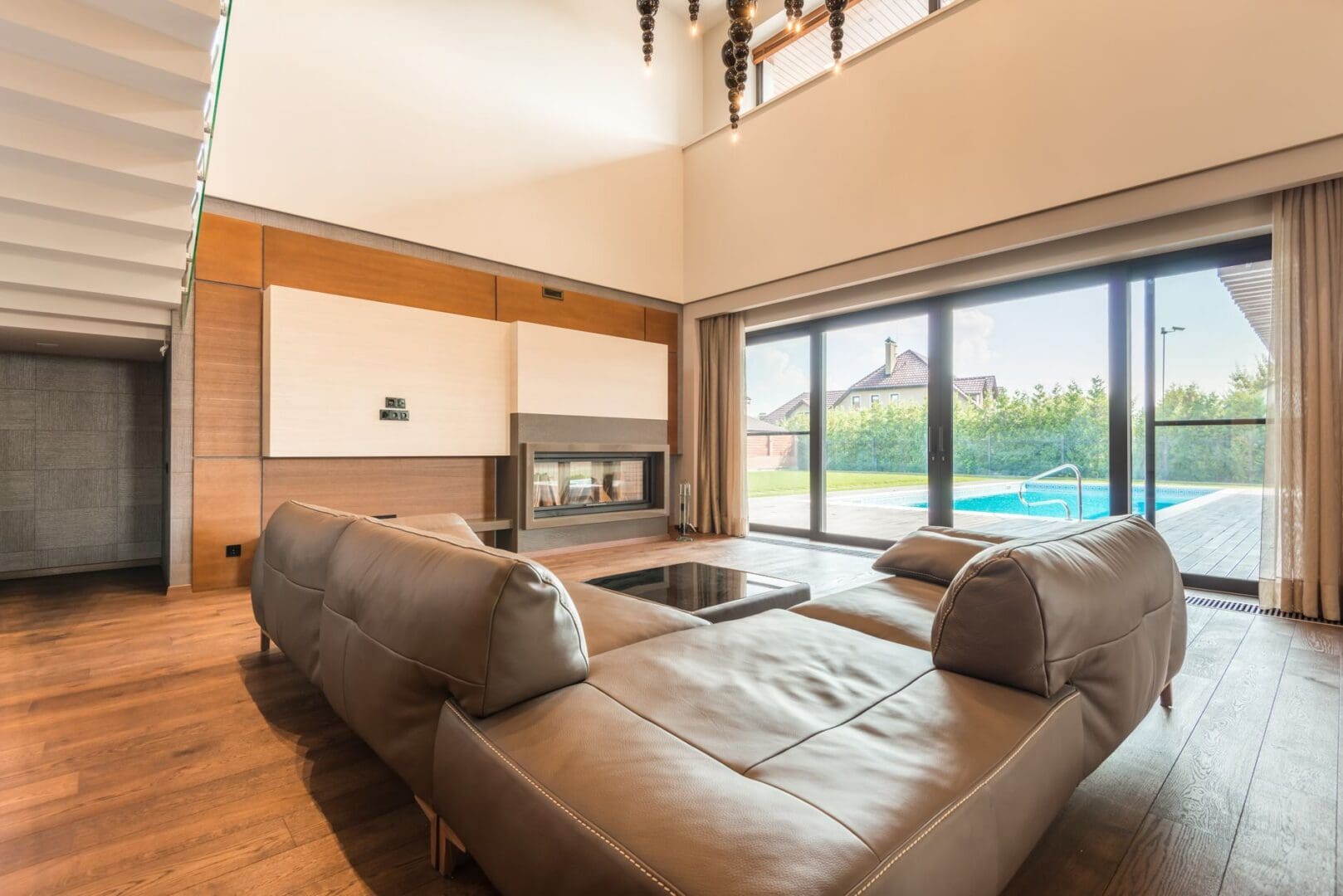
You probably reach for your phone to change the temperature, lock your doors, or check who’s at the front door—so why are you still walking across the room to flip light switches? Smart lighting transforms your living room from a space with basic on-off switches into one that adapts to movie nights, dinner parties, reading sessions, and lazy Sunday mornings with a tap or voice command.
Understanding Smart Lighting Systems and Compatibility
Before you buy a single bulb, you need to understand how smart lighting systems work. The two main options are smart bulbs that screw into existing fixtures or smart switches that control your current bulbs. Smart bulbs ($15-60 each) give you color and dimming control but require fixtures to stay powered on. Smart switches ($20-80 each) let you use any bulb and work with wall switches, but won’t give you color control unless paired with smart bulbs.
Most systems connect through WiFi, Bluetooth, Zigbee, or Z-Wave. WiFi bulbs like Wyze and LIFX connect directly to your network—simple setup, but they can clog your WiFi with too many devices. Hub-based systems like Philips Hue and Lutron Caseta require an extra device but handle more lights reliably. Choose based on how many lights you’re controlling and whether you already have a smart home hub.
Voice control compatibility matters too. Nearly all smart lights work with Alexa and Google Assistant, but Siri support through HomeKit is pickier. If you’re deep in the Apple ecosystem, verify HomeKit compatibility before buying.
Layering Smart Light Fixtures in Your Living Room
The best living room lighting combines three layers: ambient, task, and accent. Smart technology makes it easy to control all three independently and create scenes that activate multiple layers at once.
For ambient lighting, consider smart switches for existing overhead fixtures or recessed lighting. If you’re starting from scratch, smart recessed lights ($30-80 per fixture) install like regular cans but include all controls built-in. A chandelier or ceiling fixture with smart bulbs works too, though you’ll need to keep the wall switch on.
Task lighting comes from table lamps and floor lamps on your sofa tables and beside reading chairs. Pop smart bulbs into these—even basic $15-20 bulbs give you dimming control and scheduling. Mid-range options ($25-40) add tunable white so you can shift from warm light for evenings to brighter, cooler light for reading. Premium color bulbs ($50+) let you get creative with ambiance, though most people stick to whites for everyday use.
Accent lighting highlights artwork, shelves, or architectural features. Smart LED strips ($20-60 for 6-10 feet) tuck behind TV stands, under floating shelves, or along crown molding. They’re surprisingly effective at adding depth and drama to a flat-feeling room.
Features Worth Paying For (And Ones You Can Skip)
Dimming is non-negotiable. The ability to adjust brightness throughout the day and for different activities is the main reason to go smart. Every system offers this, so it’s your baseline expectation.
Tunable white lighting (adjusting from warm to cool) costs a bit more but makes a noticeable difference. Cooler light (4000K) helps you focus during the day, while warm light (2700K) helps you wind down at night. If you use your living room for work or hobbies, this feature earns its keep.
Full color control sounds appealing, but most people use it occasionally for parties or holidays. Unless you love changing your room’s mood with colored light, stick with tunable white and save $20-30 per bulb. That said, color bulbs in accent lights or LED strips create impressive effects without breaking the budget.
Motion sensors and scheduling are underrated features. Setting lights to gradually brighten in the morning or dim after 10 PM becomes part of your routine. Motion sensors work great for turning on pathway lighting when you enter the room, though they can be annoying if they trigger when you’re watching TV.
Planning Your Budget and Starting Point
A basic smart lighting setup for a living room runs $100-200. This gets you smart bulbs in 4-6 key fixtures—your main overhead light plus important lamps. You’ll have dimming, voice control, and scheduling, which covers most needs.
A mid-range system ($300-500) adds tunable white throughout, smart switches for overhead fixtures, and LED strips for accent lighting. This gives you full layering control and enough flexibility to create distinct scenes for different activities.
Premium setups ($600-1000+) include color-changing bulbs, professional-grade switches, and integrated systems that sync with music or TV. Unless you’re a serious smart home enthusiast or love entertaining, these features rarely justify the cost.
Start with your most-used lights first. Put smart bulbs in the lamps you adjust most often and add a smart switch to your main overhead fixture. Live with this for a few weeks, learn what you actually use, then expand. You’ll waste less money on features that sounded good but don’t fit your habits.
Smart lighting isn’t just about controlling lights from your couch—it’s about creating a living room that responds to how you actually live. The right setup fades into the background, adjusting automatically and making your space more comfortable without you thinking about it. Take time to match your system to your space and habits rather than buying the flashiest options, and you’ll wonder why you didn’t make the switch sooner.
What is the best smart lighting for a living room?
The best smart lighting combines multiple fixture types—smart bulbs in table lamps, smart switches for overhead fixtures, and smart strips for accent lighting. Look for options compatible with your preferred voice assistant and choose between budget-friendly bulbs ($15-30) or premium systems like Philips Hue ($50+ per bulb) based on features you’ll actually use.
Do you need a hub for smart lights?
Some smart lights require a hub (like Philips Hue Bridge or SmartThings), while others connect directly to WiFi. Hub-based systems typically offer faster response times and more reliable connectivity, especially with multiple lights. WiFi-only bulbs are simpler to set up but may strain your network with too many devices.
Can smart bulbs work in any lamp?
Yes, smart bulbs work in any standard lamp socket, but you’ll get the best results with fixtures that stay switched on at the wall. If someone flips the physical switch off, the smart bulb loses power and can’t be controlled remotely until the switch is back on.
Are smart lights worth it for a living room?
Smart lights are worth it if you value convenience, mood control, and energy savings. The ability to dim lights without special switches, create lighting scenes for different activities, and control everything from your phone transforms how you use your living room. Expect to spend $100-400 to outfit a typical living room.
What color temperature should living room smart lights be?
Living rooms work best with warm white (2700K-3000K) for relaxing evenings and the option to adjust to cooler temps (3500K-4000K) for tasks like reading. Smart bulbs with tunable white let you shift throughout the day, while color-changing bulbs add ambiance for entertaining but aren’t necessary for everyone.
You need more storage in your living room, but a bulky bookcase feels too heavy and floating shelves aren’t cutting it. A credenza might be exactly what you’re looking for—it’s that low-profile cabinet that gives you tons of hidden storage while creating a beautiful surface for lamps, plants, and the things you actually want to […]
If you’ve been hitting snooze repeatedly or dragging yourself out of bed feeling groggy, you’re not alone. Waking up to a jarring alarm in a dark room works against your body’s natural rhythms, especially during winter months. A sunrise alarm clock mimics natural dawn, gradually filling your room with light to ease you awake. But […]
Waking up at 3 a.m. with a sweaty neck and flipping your pillow to the cool side for the fourth time isn’t just annoying—it’s robbing you of quality sleep. If you’re a hot sleeper, your pillow might be trapping heat against your head and neck all night long. The good news? The right cooling pillow […]