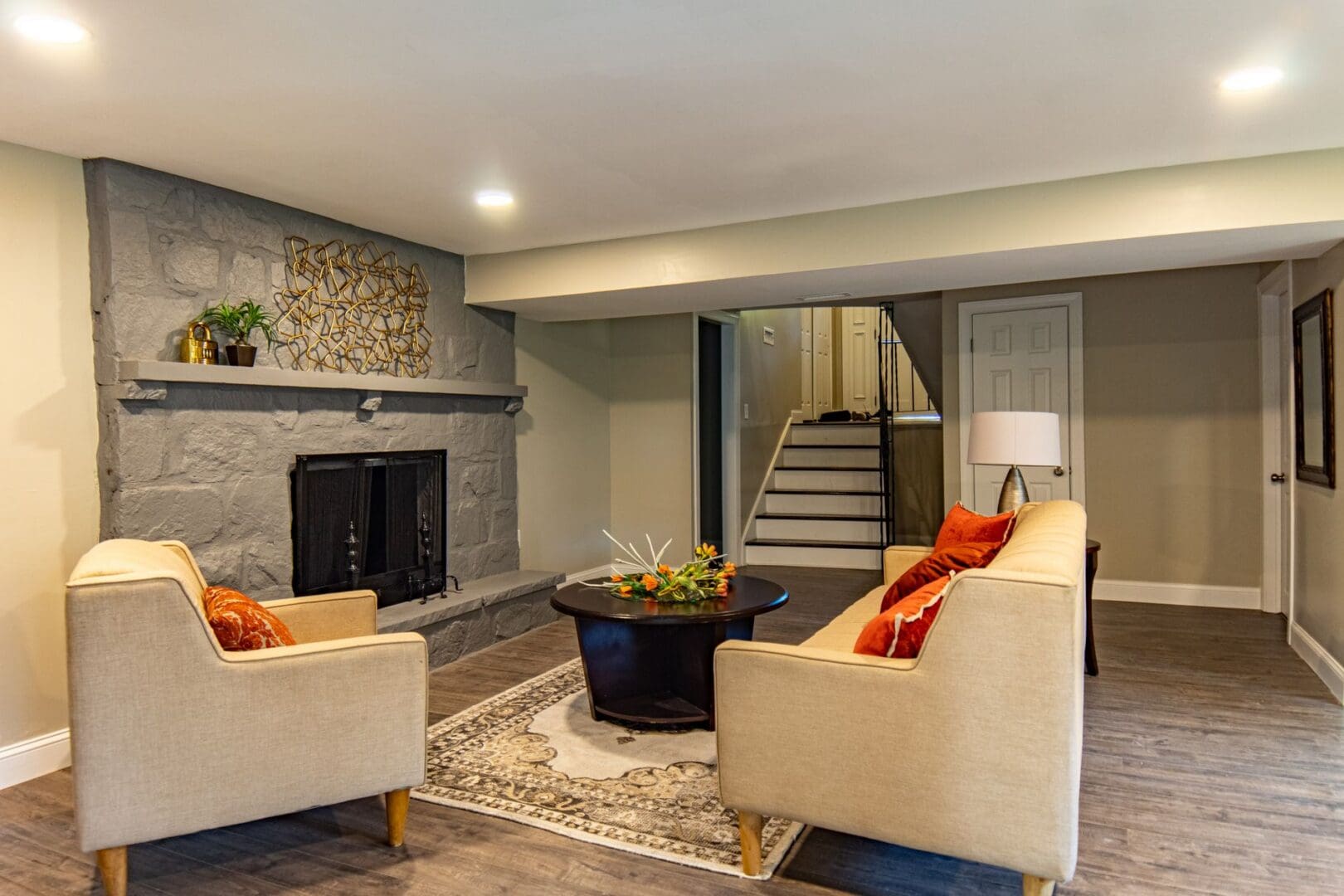
You’ve probably looked up at your living room ceiling and thought, “This space needs better lighting.” Maybe your current setup leaves dark corners, or perhaps you’re working with outdated fixtures that don’t match your style. Recessed lighting offers a clean, modern solution that disappears into your ceiling while providing excellent illumination—but choosing the wrong size, spacing, or brightness can leave you with a space that feels more like an operating room than a cozy gathering spot.
Size and Placement: Getting the Layout Right
The size of your recessed lights matters more than you might think. For most living rooms, 5-inch or 6-inch housings are your best bet. Six-inch lights deliver more lumens and work well as primary lighting in spaces with 8-foot or higher ceilings. If you have lower ceilings or want to use recessed lights as accent lighting alongside floor lamps and table lamps, 5-inch fixtures give you flexibility without overwhelming the space.
Spacing is where many people go wrong. Place your lights too close together and you’ll create hot spots and waste energy. Too far apart, and you’ll have shadowy gaps. A reliable formula: divide your ceiling height in half. For an 8-foot ceiling, that’s 4 feet between lights. For general illumination, position lights about 3 feet from walls to avoid harsh shadows and create a balanced wash of light across the room.
Think about your furniture layout before finalizing placement. You don’t want a bright light directly over your TV screen (hello, glare) or positioned where it’ll shine directly in someone’s eyes while they’re sitting on the sofa. Map out your seating areas and aim to place lights between major furniture pieces rather than directly above them.
Trim Style and Finish: The Details That Show
The trim is the visible ring around your recessed light, and it’s one of the few design choices you’ll make with this otherwise invisible lighting. Baffle trims have ridged interiors that reduce glare and work beautifully in living rooms where you want soft, diffused light. They’re forgiving and comfortable for spaces where people spend extended time.
Reflector trims have smooth, mirrored interiors that maximize light output—great if you need more brightness but can feel a bit intense for relaxed evening settings. Open trims sit flush with the ceiling for a minimalist look and work well in contemporary spaces. Gimbal or eyeball trims let you angle the light toward artwork or architectural features, adding flexibility to your design.
Finish-wise, white trims blend seamlessly with most ceilings and practically disappear. Brushed nickel, black, or bronze trims make more of a statement and should coordinate with other hardware in the room like door handles, curtain rods, or light switch plates. Budget trims start around $5-8 each, while higher-end designer trims with special finishes can run $20-40.
Bulb Choice and Dimming Capabilities
LED bulbs are the only sensible choice for recessed lighting these days. They last 15-20 years, use a fraction of the energy of old incandescent bulbs, and produce far less heat—important when lights are tucked into your ceiling insulation.
Color temperature makes or breaks the atmosphere. For living rooms, stick with warm white bulbs in the 2700K-3000K range. This creates that inviting, cozy glow you associate with comfortable spaces. Anything above 3500K starts feeling cold and institutional. Some smart LED bulbs let you adjust color temperature throughout the day, but they’ll cost $15-30 per bulb compared to $5-8 for standard LEDs.
Installing dimmer switches is non-negotiable for living room recessed lighting. Different activities need different light levels—movie watching requires minimal light, reading needs brightness, and entertaining calls for something in between. Make sure your LED bulbs are labeled “dimmable” and pair them with an LED-compatible dimmer switch. Incompatible combinations cause annoying buzzing and flickering. Quality dimmer switches cost $15-50, while basic models run $8-15.
Installation Considerations and Costs
New construction housing works when you’re building or have open access above the ceiling. Remodel housings are designed to install from below in existing ceilings—these are what most homeowners need. IC-rated housings are required if the fixture will contact insulation, while non-IC housings need clearance. Airtight models prevent conditioned air from escaping into your attic, improving energy efficiency.
If you’re handy and your ceiling already has electrical access, DIY installation is possible, though you’ll need to cut precise holes and handle wiring correctly. Most homeowners hire electricians, which typically costs $100-200 per light installed, including the fixture. For a living room with 6-8 lights, budget $600-1,600 for professional installation, plus $150-400 for the fixtures themselves and dimmer switches.
Recessed lighting transforms how your living room feels and functions. The key is treating it as part of a layered lighting plan rather than your only light source. When you combine well-placed recessed lights with the warmth of table lamps and the visual interest of other fixtures, you create a space that’s both beautifully lit and genuinely comfortable to spend time in. Take measurements, consider your activities and furniture layout, and don’t skip the dimmers—your future self will thank you every time you adjust the lighting to match the moment.
If you’re layering your lighting design with statement fixtures, our guide to choosing pendant lights for living rooms explains how to coordinate different light sources.
Frequently Asked Questions
How many recessed lights do I need in my living room?
A good rule of thumb is one recessed light for every 25-30 square feet of space. For a 200-square-foot living room, you’d typically need 6-8 lights. Adjust based on ceiling height and whether you’re using recessed lighting as your primary light source or layering it with lamps and fixtures.
What size recessed lights should I use in a living room?
Most living rooms work best with 5-inch or 6-inch recessed lights. The 6-inch size provides more light output and works well for general illumination in larger spaces. Five-inch lights are ideal for accent lighting or rooms with lower ceilings under 8 feet.
Should recessed lights be on a dimmer in a living room?
Yes, dimmers are highly recommended for living room recessed lighting. They let you adjust brightness for different activities like watching TV, reading, or entertaining. Dimmers also extend bulb life and reduce energy costs.
How far apart should recessed lights be spaced in a living room?
Space recessed lights approximately 4-6 feet apart for even illumination. As a general rule, divide your ceiling height by two to determine spacing—so for an 8-foot ceiling, place lights 4 feet apart. Avoid placing lights closer than 3 feet from walls to prevent harsh shadows.
What color temperature is best for living room recessed lighting?
Warm white bulbs in the 2700K-3000K range work best for living rooms, creating a cozy and inviting atmosphere. This mimics the warmth of traditional incandescent bulbs. Avoid cool white or daylight bulbs (4000K+) in living spaces, as they feel too clinical and harsh.
You need more storage in your living room, but a bulky bookcase feels too heavy and floating shelves aren’t cutting it. A credenza might be exactly what you’re looking for—it’s that low-profile cabinet that gives you tons of hidden storage while creating a beautiful surface for lamps, plants, and the things you actually want to […]
If you’ve been hitting snooze repeatedly or dragging yourself out of bed feeling groggy, you’re not alone. Waking up to a jarring alarm in a dark room works against your body’s natural rhythms, especially during winter months. A sunrise alarm clock mimics natural dawn, gradually filling your room with light to ease you awake. But […]
Waking up at 3 a.m. with a sweaty neck and flipping your pillow to the cool side for the fourth time isn’t just annoying—it’s robbing you of quality sleep. If you’re a hot sleeper, your pillow might be trapping heat against your head and neck all night long. The good news? The right cooling pillow […]