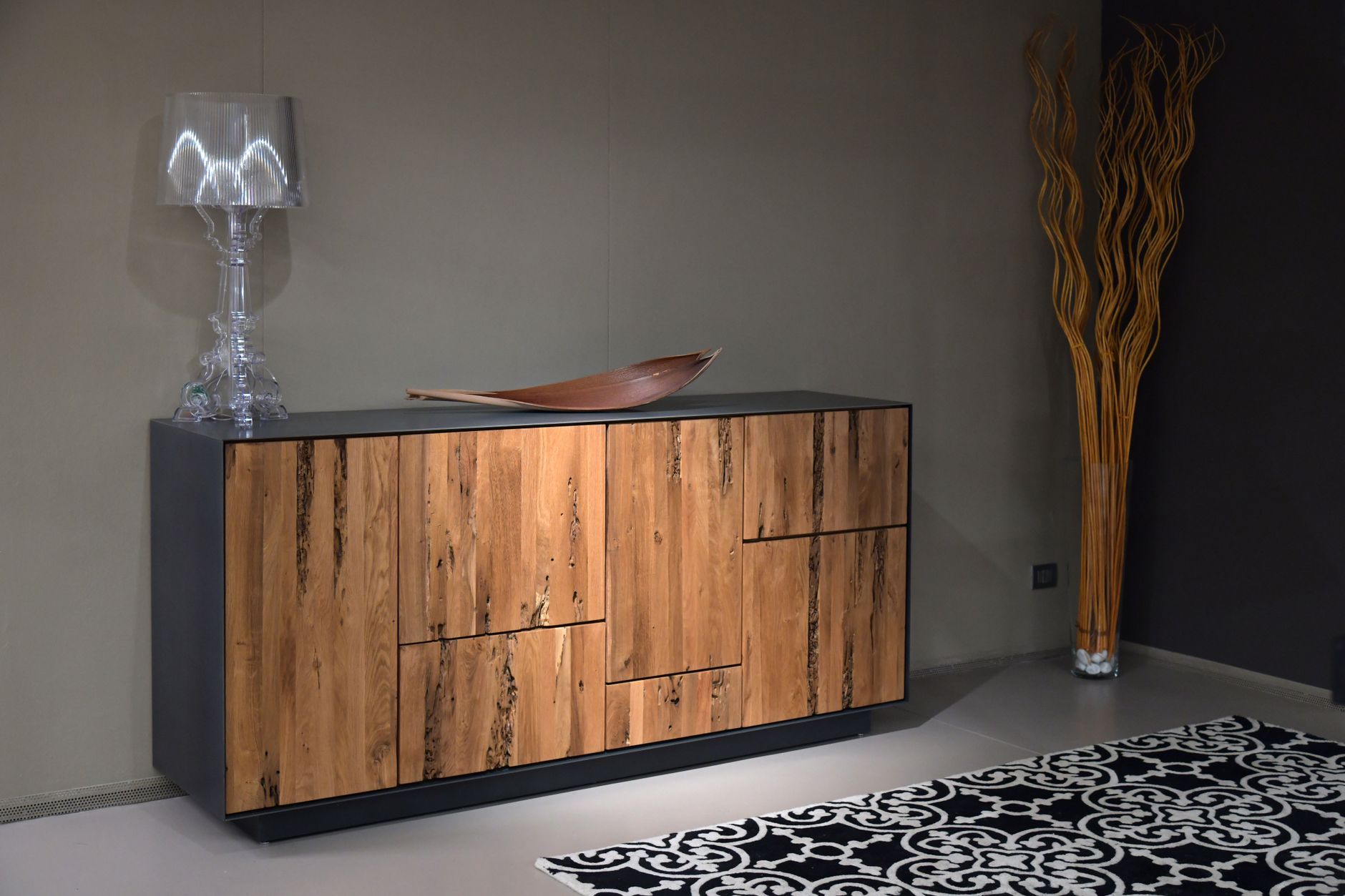
You need more storage in your living room, but a bulky bookcase feels too heavy and floating shelves aren’t cutting it. A credenza might be exactly what you’re looking for—it’s that low-profile cabinet that gives you tons of hidden storage while creating a beautiful surface for lamps, plants, and the things you actually want to display. But with so many styles and configurations out there, how do you pick one that works for your space?
Getting the Size Right
Before you fall in love with a style, pull out your measuring tape. The width is your first consideration—most credenzas range from 48 to 72 inches, though you’ll find compact 36-inch models and statement-making 84-inch pieces too. Measure your available wall space and subtract at least 12 inches total (6 inches on each side) so the credenza doesn’t feel crammed in.
Height matters more than you might think. Standard credenzas sit between 24 and 36 inches tall, which is lower than most dressers or cabinets. If you’re planning to put a TV on top, aim for 24-30 inches so your screen sits at comfortable eye level when you’re seated. Going taller works great if you’re using it purely for storage and display, but keep sight lines in mind—you don’t want it blocking views across an open-concept space.
Depth typically runs 16-20 inches, which is deep enough for meaningful storage but shallow enough that the piece doesn’t jut awkwardly into your room. If your living room doubles as a walkway to other areas, stick with 16-18 inches to maintain traffic flow.
Storage Configuration and Functionality
Open your credenza’s doors (mentally, for now) and think about what you’re storing. The interior layout makes a huge difference in day-to-day usability.
Credenzas with adjustable shelves give you flexibility to store everything from board games to vinyl records to your router and cable box. Fixed shelves work fine if you know exactly what’s going in there, but adjustable is usually worth the small upcharge. Look for models with at least one adjustable shelf per cabinet section.
Cable management features are essential if you’re housing any electronics. Cutouts in the back panel let you route cords without drilling holes yourself, and some higher-end models include built-in wire organizers or even ventilated backs to prevent overheating.
Drawer-and-door combinations offer the most versatility—drawers for remotes, coasters, and charging cables, while cabinets handle larger items. All-door designs typically cost less and maximize vertical storage space, which works well if you’re storing bulkier things like blankets or barware.
Material and Construction Quality
The material determines both how your credenza looks and how long it lasts, with prices varying dramatically across categories.
Solid wood credenzas in walnut, oak, or acacia run $1,200-3,000+ but they’re investments that develop character over time and can handle decades of use. Mid-century modern styles particularly shine in solid wood with those beautiful grain patterns on full display.
Wood veneer over engineered wood (MDF or particleboard) brings the look of real wood at $400-1,200. Quality varies wildly here—look for thick veneer that won’t chip easily and dovetail drawer construction rather than stapled corners. These work perfectly well for most households and offer great value.
Metal and glass credenzas ($500-1,500) suit industrial or contemporary spaces and tend to feel lighter visually, which helps in smaller rooms. They’re durable and easy to clean, though glass shelves have weight limits you’ll need to respect.
Rattan, cane, or woven details ($600-2,000) add texture and work beautifully in bohemian, coastal, or transitional spaces. Just know that intricate weaving requires more maintenance and isn’t ideal if you have curious cats or toddlers.
Style That Fits Your Space
Your credenza should feel intentional, not like you grabbed whatever was in stock. Mid-century modern credenzas with tapered legs and warm wood tones remain incredibly popular because they blend into almost any decor style. These typically feature clean lines, minimal hardware, and that iconic low-slung profile.
Contemporary credenzas go bolder with high-gloss finishes, geometric patterns, or mixed materials like wood and metal. They make statements and work well in modern spaces that can handle a focal point piece.
Traditional credenzas with decorative molding, turned legs, and ornate hardware suit formal living rooms and pair nicely with classic furniture styles. These tend to be taller and more substantial-looking.
Rustic or farmhouse styles bring in distressed finishes, sliding barn doors, or reclaimed wood looks. They add warmth but can overwhelm small spaces, so proceed thoughtfully.
Whatever style you choose, consider your existing furniture. Your credenza doesn’t need to match exactly, but it should share either a material, finish, or design element with other pieces in the room so everything feels cohesive.
A well-chosen credenza transforms a living room from cluttered to collected, giving you the storage you need without sacrificing style. Measure carefully, think about what you’re storing, invest in quality materials within your budget, and pick a style that genuinely excites you. When you find the right one, you’ll wonder how you ever lived without it.
Once you’ve chosen your credenza, adding the right lighting on top can complete the look—check out our buffet lamp buying guide for living rooms for stylish options.
Frequently Asked Questions
What is the difference between a credenza and a sideboard?
A credenza traditionally has shorter legs or sits flush on the floor and often lacks a back panel since it’s meant to sit against a wall. Sideboards are usually taller with longer legs and were originally designed for dining rooms, though the terms are now often used interchangeably.
How long should a credenza be for a living room?
Most living room credenzas range from 48 to 72 inches long, which provides ample storage without overwhelming the space. Choose a length that’s proportional to your wall space, leaving at least 6-12 inches of breathing room on each side.
Can you use a credenza as a TV stand?
Yes, credenzas make excellent TV stands as long as they’re the right height and depth for your television. Look for models between 24-30 inches tall and ensure the top can support your TV’s weight, typically around 50-100 pounds depending on size.
What do you put in a living room credenza?
Living room credenzas typically store media equipment, board games, extra blankets, books, barware, or serving pieces for entertaining. The top surface is perfect for displaying decor, lamps, plants, or framed photos while keeping clutter hidden inside.
How much should I spend on a credenza?
Budget credenzas start around $300-500 and work well for basic storage needs. Mid-range options ($800-1,500) offer better construction and materials, while high-end pieces ($2,000+) feature solid wood, handcrafted details, and heirloom quality that lasts decades.
If you’ve been hitting snooze repeatedly or dragging yourself out of bed feeling groggy, you’re not alone. Waking up to a jarring alarm in a dark room works against your body’s natural rhythms, especially during winter months. A sunrise alarm clock mimics natural dawn, gradually filling your room with light to ease you awake. But […]
Waking up at 3 a.m. with a sweaty neck and flipping your pillow to the cool side for the fourth time isn’t just annoying—it’s robbing you of quality sleep. If you’re a hot sleeper, your pillow might be trapping heat against your head and neck all night long. The good news? The right cooling pillow […]
If you’re working from home or spending hours at your desk, you’ve probably noticed that not all chairs are created equal. That bargain office chair seemed fine at first, but now your back aches by mid-afternoon. You’ve been eyeing ergonomic chairs, but with price tags that can run three to ten times higher than regular […]