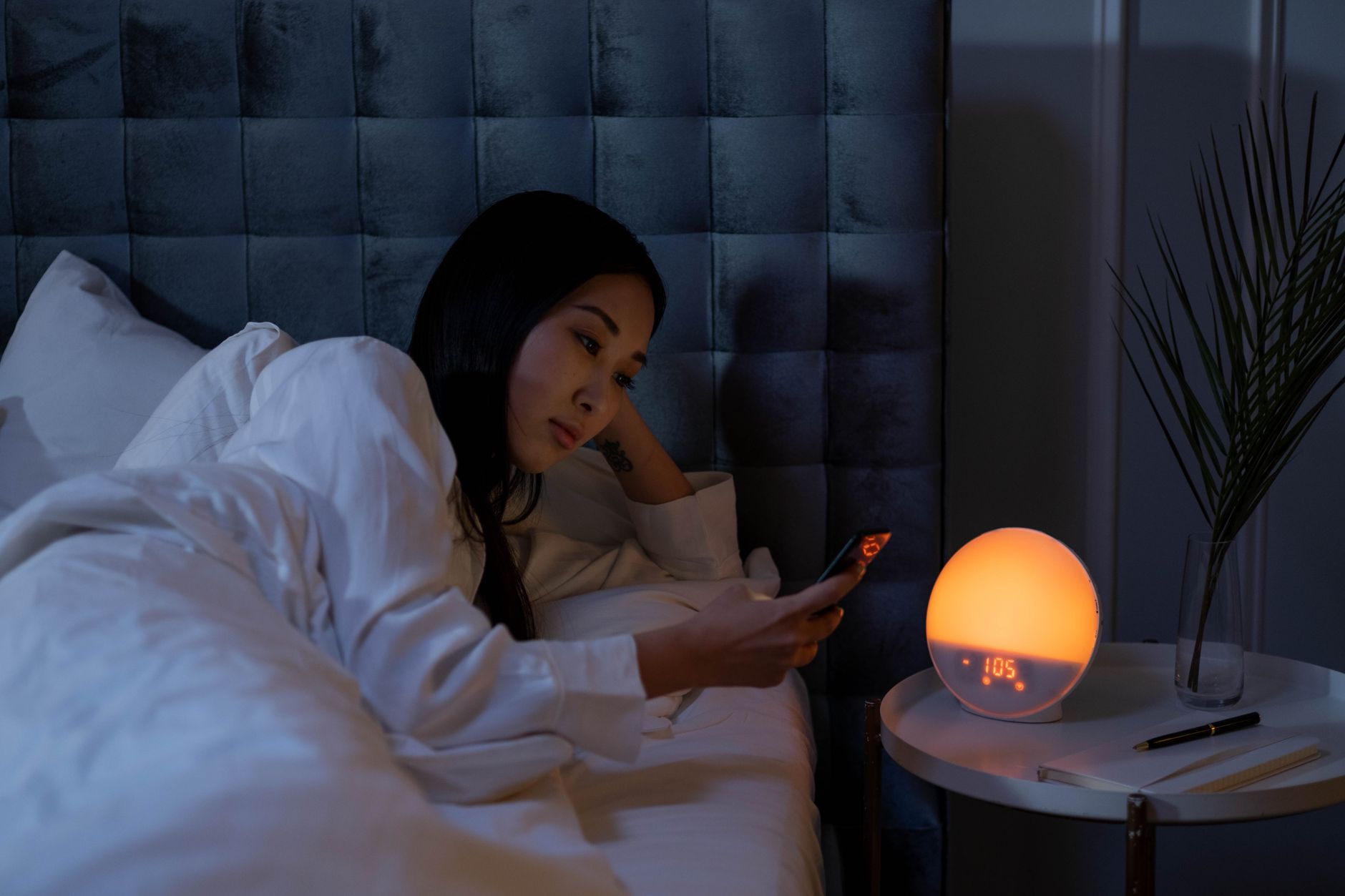
If you’ve been hitting snooze repeatedly or dragging yourself out of bed feeling groggy, you’re not alone. Waking up to a jarring alarm in a dark room works against your body’s natural rhythms, especially during winter months. A sunrise alarm clock mimics natural dawn, gradually filling your room with light to ease you awake. But with options ranging from $30 to $200, knowing what features actually matter can save you from buying the wrong one.
Light Quality and Intensity
The whole point of a sunrise alarm clock is the light, so this is where you shouldn’t compromise. Look for models that reach at least 200 lux at their peak brightness—anything less won’t effectively signal your brain to wake up. Higher-end options offering 300-400 lux work better if you’re a deep sleeper or your bedroom gets very little natural light.
Pay attention to the color temperature too. The best sunrise alarms start with a warm red or orange glow that gradually shifts to bright white or yellow light, mimicking an actual sunrise. Cheaper models sometimes use a harsh white LED that suddenly brightens, which defeats the purpose entirely. If possible, check reviews with photos showing what the light actually looks like at different stages.
Budget models ($30-50) typically offer basic LED light with limited color range. Mid-range options ($60-100) usually provide fuller spectrum lighting with smoother transitions. Splurge-worthy clocks ($120-200) often include customizable color options and can double as mood lighting throughout the day.
Sunrise Duration and Customization
Most sunrise alarm clocks let you choose how long the sunrise simulation lasts, typically ranging from 15 to 60 minutes. Think about your sleep patterns here. Heavy sleepers benefit from longer 45-60 minute sunrises that give your body more time to respond. If you wake easily, a 15-30 minute window works fine and won’t have you squinting at bright light while you’re still trying to sleep.
Better models let you adjust both the duration and the final brightness level independently. This matters because you might want a 30-minute sunrise that ends at 70% brightness in summer, but a 45-minute sunrise reaching 100% brightness during dark winter mornings. Fixed-setting clocks force you to live with one wake-up experience year-round.
Some advanced options also offer sunset simulation to help you wind down at night. If you struggle with falling asleep or checking your phone before bed, this feature creates a relaxing routine by gradually dimming light over 30-60 minutes.
Sound Options and Backup Alarms
Here’s the thing about sunrise alarms: the light alone might not wake you initially, especially if you’re used to sleeping in complete darkness. That’s why the audio backup matters. Most models include nature sounds, FM radio, or gentle beeps that start quietly and increase in volume as the light reaches full brightness.
Look for clocks with multiple sound choices so you can find something that works for you. Birds chirping sounds pleasant in theory but can be annoying if you’re not a morning person. Ocean waves or soft chimes tend to be less grating. Some people prefer waking to their favorite radio station or podcast, making FM radio or Bluetooth connectivity valuable features.
Make sure there’s a true backup alarm option. If the light doesn’t wake you, you need sound that will. Check that the volume gets loud enough to actually rouse you—some models are frustratingly quiet even at maximum settings.
Display, Controls, and Extra Features
The clock display itself matters more than you’d think. A bright LED display can interfere with your sleep just as much as a jarring alarm. Look for models with fully dimmable displays or ones that turn off completely. Some clocks automatically dim the display when the room is dark, which is ideal.
Consider how you’ll actually use the controls. Touch-sensitive buttons on top work well for half-asleep adjustments. Tiny buttons on the back? You’ll hate fumbling with those at 6 AM. App-controlled models offer the most customization but mean you need your phone nearby, which can be tempting to check.
Smart home integration, USB charging ports, and power backup features add convenience but usually bump up the price. Decide whether these matter for your situation. If your bedroom already has plenty of outlets and you don’t use smart home devices, save your money.
Choosing the right sunrise alarm clock comes down to matching features with your sleep habits and bedroom setup. Focus your budget on quality light and customization options that fit your wake-up needs. Once you experience waking up gradually instead of being jolted awake, you’ll wonder why you didn’t make the switch sooner. Start by deciding your must-have features, set a realistic budget, and look for models that excel in the areas that matter most to your morning routine.
Yes, sunrise alarm clocks can be effective for many people, especially those who struggle with dark winter mornings. They work by gradually increasing light exposure before your alarm time, which signals your body to reduce melatonin production and wake naturally. Studies show they can improve mood and make waking feel less jarring.
What lux level should a sunrise alarm clock have?
Look for a sunrise alarm clock that reaches at least 200-300 lux at its brightest setting for effective wake-up stimulation. Some higher-end models offer 400 lux or more, which better mimics natural daylight. The gradual increase matters more than the peak brightness, so a 30-minute sunrise simulation is ideal.
Can I use a sunrise alarm clock as a reading light?
Many sunrise alarm clocks double as bedside lamps with adjustable brightness settings, making them suitable for reading. Look for models with a wide dimming range and warm light options. Some units offer separate reading light modes that stay at a steady brightness rather than gradually changing.
How long should the sunrise simulation last?
Most sunrise alarm clocks offer simulation periods between 15 and 60 minutes, with 30 minutes being the most popular and effective duration. If you’re a heavy sleeper, start with a longer simulation period like 45-60 minutes. Light sleepers often do well with 15-30 minute settings.
Are expensive sunrise alarm clocks worth it?
Higher-priced sunrise alarm clocks typically offer better light quality, more customization options, and additional features like sunset simulation or smart home integration. If you struggle significantly with morning waking or seasonal affective disorder, investing $80-200 in a quality model often pays off. Budget options around $30-50 work fine for occasional use or to test whether the concept works for you.
Waking up at 3 a.m. with a sweaty neck and flipping your pillow to the cool side for the fourth time isn’t just annoying—it’s robbing you of quality sleep. If you’re a hot sleeper, your pillow might be trapping heat against your head and neck all night long. The good news? The right cooling pillow […]
If you’re working from home or spending hours at your desk, you’ve probably noticed that not all chairs are created equal. That bargain office chair seemed fine at first, but now your back aches by mid-afternoon. You’ve been eyeing ergonomic chairs, but with price tags that can run three to ten times higher than regular […]
If you’re dealing with a small kids’ room, frequent sleepovers, or siblings sharing a space, a trundle bed might be the smartest furniture investment you make. It’s essentially two beds in the footprint of one, with a second mattress that rolls out from underneath the main bed when needed. But not all trundle beds are […]