Your home should work with you, not against you. If you’re tired of fumbling for light switches in the dark, wondering if you locked the door, or dealing with a thermostat that never gets the temperature quite right, smart home devices can solve these everyday frustrations without requiring a tech degree to set up.
The smart home market has matured beyond the early-adopter phase. Today’s devices are more reliable, easier to install, and actually useful rather than just flashy gadgets. Here’s what’s worth your money and attention.
Smart Lighting: Control Without the Wall Switch Hunt
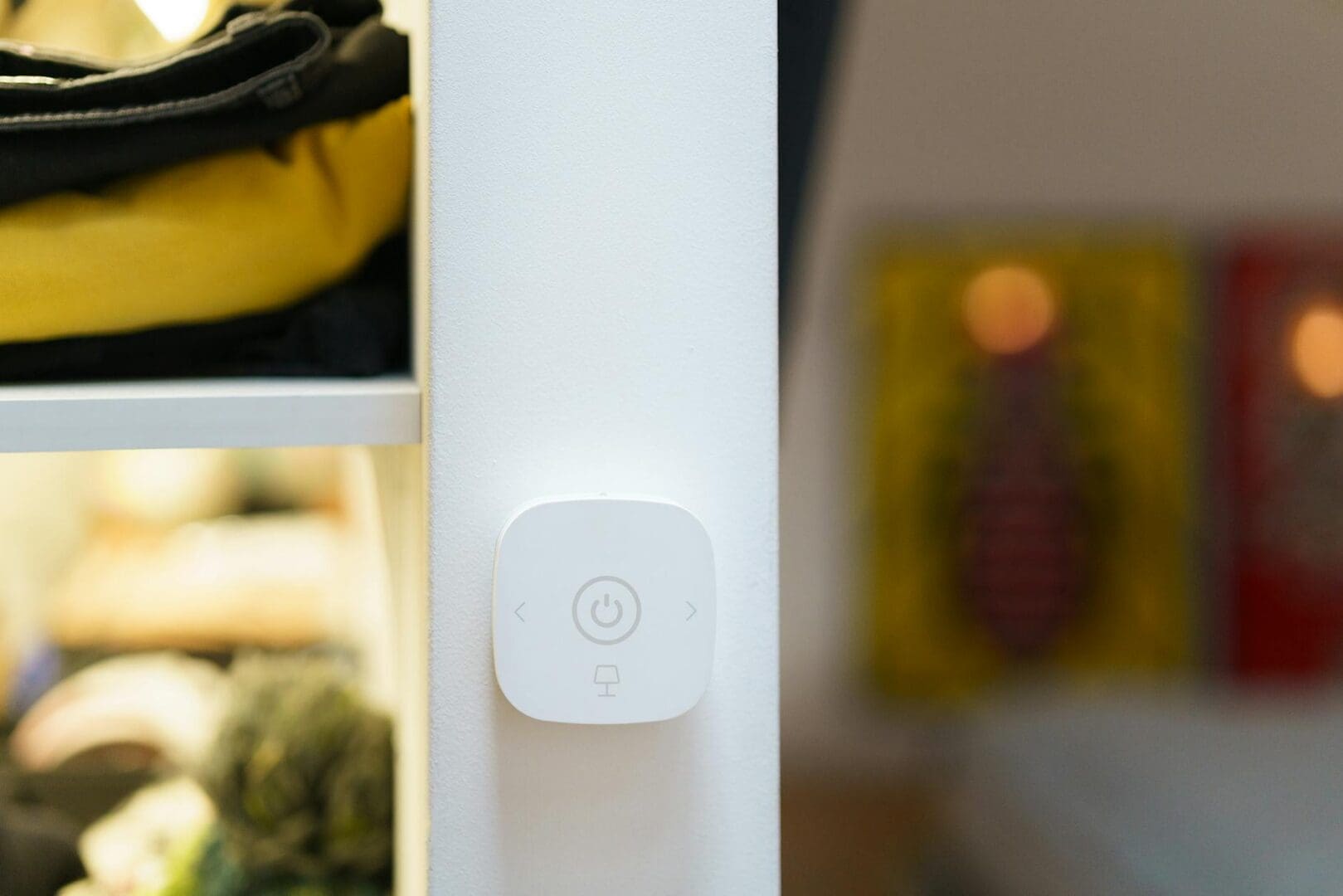
Smart bulbs and lighting systems top most people’s wish lists for good reason—they’re noticeable, affordable, and genuinely useful. Instead of rewiring switches, you simply screw in bulbs that connect to your phone or voice assistant.
Budget options like basic smart bulbs run $10-25 per bulb and let you turn lights on and off remotely or set schedules. Mid-range systems ($50-150 for starter kits) add dimming capabilities and color-changing features, perfect for setting ambiance in living rooms or bedrooms. Premium systems like Philips Hue ($200+ for whole-room setups) offer sophisticated scenes, gradual wake-up lighting, and seamless integration with other smart devices.
Look for bulbs compatible with your existing fixtures and your preferred voice assistant. If you rent or plan to move, smart bulbs travel with you—a major advantage over hardwired smart switches.
Smart Thermostats: Comfort That Pays for Itself
A smart thermostat learns your schedule and preferences, then adjusts temperatures automatically. The real appeal? Most users see noticeably lower energy bills within months, and some utility companies offer rebates that offset the initial cost.
Entry-level models ($100-150) offer basic scheduling and remote control via smartphone. Mid-range options ($200-250) include learning capabilities, room sensors, and energy reports that show exactly when and why you’re using heating or cooling. Premium thermostats ($250-300) add features like multiple room sensors for better temperature balance throughout your home.
Before buying, verify compatibility with your HVAC system—most products list compatible systems on the packaging. Installation typically takes 30 minutes, though professional installation runs $100-200 if you prefer that route.
Smart Speakers and Displays: Your Home’s Command Center
Smart speakers do more than play music. They become the hub for controlling other devices, setting timers while cooking, checking weather, and managing shopping lists hands-free.
Compact speakers ($30-50) work beautifully in bedrooms or bathrooms where you need basic voice control. Mid-size options ($100-150) deliver better sound quality for kitchens and living areas. Smart displays ($100-250) add a screen, making them ideal for kitchens where you might follow recipes, check calendars, or video call while your hands are busy.
Choose based on your existing ecosystem—Amazon Alexa, Google Assistant, or Apple HomeKit. Mixing ecosystems gets complicated quickly, so pick one and stick with it as you expand your smart home setup.
Smart Locks and Security: Peace of Mind at Your Fingertips
Smart locks eliminate the “did I lock the door?” anxiety. Check and control your locks from anywhere, create temporary codes for guests or contractors, and never hide spare keys under the doormat again.
Standard smart locks ($150-200) replace your existing deadbolt and offer remote locking, unlock codes, and activity logs. Premium models ($250-350) add features like auto-lock, auto-unlock when you arrive home, and integration with video doorbells. Smart video doorbells ($100-250) let you see and speak with visitors remotely, plus record package deliveries.
Consider battery life when shopping—most run 6-12 months on standard batteries. Models that work with your existing keys offer a backup option if batteries die or technology fails.
Making Your Choice
Start with the frustration that bothers you most. If you’re constantly adjusting the thermostat, start there. If you forget to turn off lights, begin with smart bulbs in your most-used rooms. Smart home devices work best when added gradually, letting you learn each system before expanding.
The devices that genuinely make life easier aren’t necessarily the most expensive or feature-packed. They’re the ones that solve real problems in your daily routine. Think about which small annoyances add up throughout your day, then find the smart solution that addresses them simply and reliably.
If you’re shopping for an air purifier, you’ve probably noticed two main technologies dominating the market: ionic purifiers and HEPA filters. Both promise cleaner air, but they work in completely different ways—and when it comes to safety, one has a clear advantage. Let’s break down what you actually need to know to make the right […]
You know you want cleaner air at home, but standing in front of air purifier options can feel overwhelming. Should you invest in a whole house system that integrates with your HVAC, or stick with portable units you can move from room to room? The answer depends on your home’s layout, your budget, and how […]
Did You Know? The Declaration of Independence Was Likely Written in a Windsor Chair As America celebrates 250 years of independence, it’s worth looking at one of the quieter witnesses to that history: the humble Windsor chair. Thomas Jefferson is said to have drafted the Declaration of Independence while seated in an unusual revolving Windsor […]