There’s nothing quite like settling in for movie night at home, but harsh overhead lighting can ruin the whole experience. Too bright, and you’re squinting at a washed-out screen. Too dark, and you’re fumbling for the remote or straining your eyes. Getting your living room lighting right for movie watching isn’t complicated—it just takes the right combination of fixtures and a little planning.
Why Overhead Lights Don’t Work for Movies
That ceiling fixture that works great for everyday living becomes your enemy during movie time. Overhead lights create glare on your TV screen and kill the immersive atmosphere you’re trying to create. Even worse, the stark contrast between bright room lighting and your screen causes eye fatigue.
The solution is layered lighting that you can control independently. You want ambient light that fills the room gently without pointing directly at your screen or your eyes. Think of how movie theaters work—they keep some subtle lighting along the walls and floors, never blasting light from above.
The Best Lighting Fixtures for Movie Watching
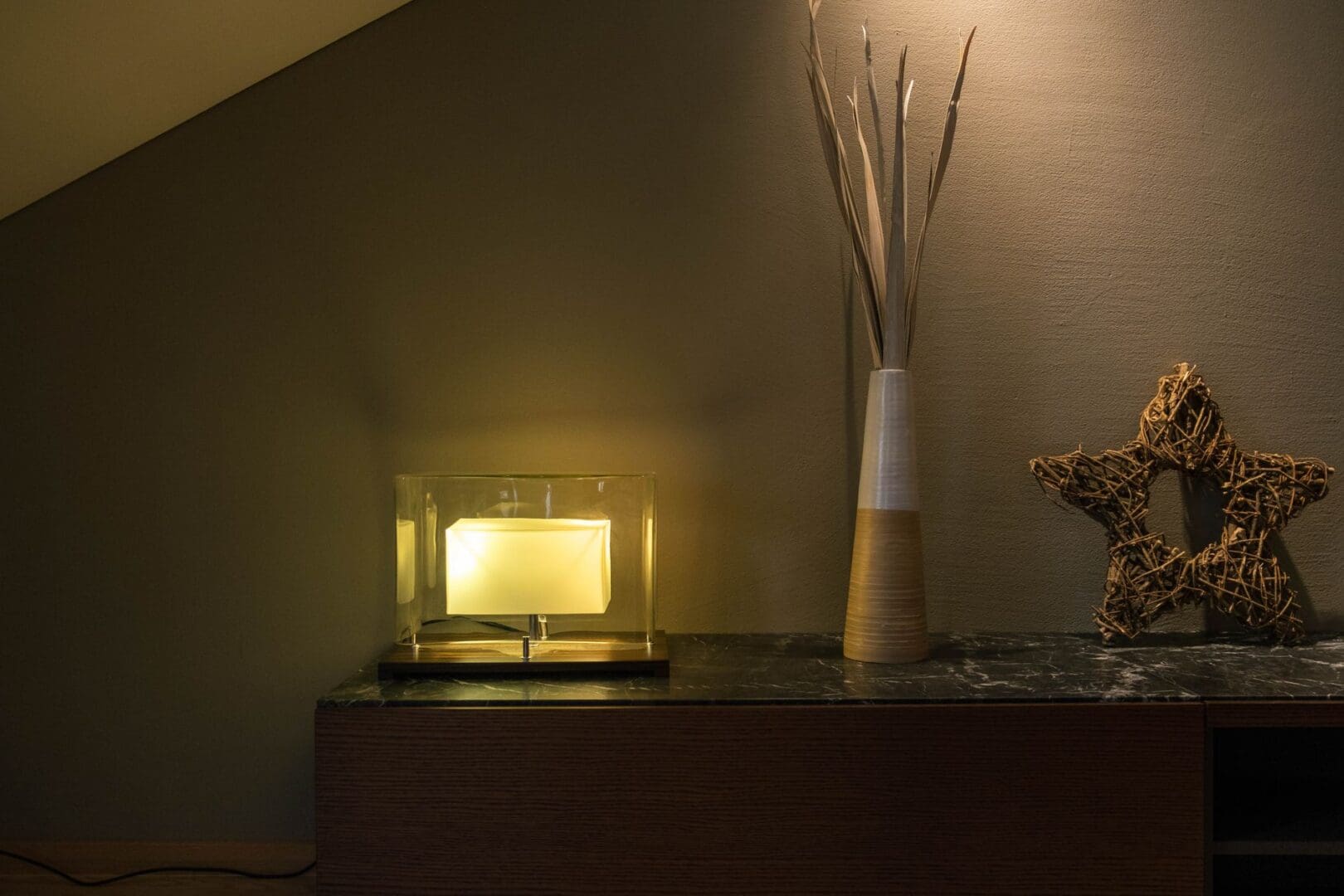
Dimmable floor lamps and table lamps are your best friends here. Place them behind or beside your seating area so the light spills into the room without hitting your TV screen. Look for lamps with fabric or frosted glass shades that diffuse light rather than directing it harshly in one direction. Three-way bulbs give you flexibility, but dedicated dimmer switches offer even more control. Budget-friendly options start around $40-60, while designer floor lamps with built-in dimmers run $150-400.
LED strip lights have become incredibly popular for home theaters, and for good reason. Installing them behind your TV creates what’s called “bias lighting”—a soft glow that reduces eye strain by minimizing the contrast between your bright screen and dark wall. This isn’t just aesthetic; it genuinely makes viewing more comfortable during long movie sessions. Basic LED strips cost $15-30, while color-changing smart strips run $40-80.
Wall sconces positioned on the sides of your room provide excellent ambient lighting without taking up floor space. Mount them with dimmer switches so you can adjust them to barely-there levels during intense movie scenes. Expect to spend $50-150 per sconce for decent quality, plus installation if you’re adding new electrical boxes.
Smart Bulbs Make Everything Easier
If rewiring your living room sounds like too much work, smart bulbs offer a simpler path to perfect movie lighting. Replace the bulbs in your existing lamps with smart LEDs that you can dim and control from your phone or voice assistant. Many let you create custom scenes—one tap dims everything to your preferred movie-watching levels.
The real magic happens when you integrate them with your TV or streaming device. Some systems can automatically dim your lights when you start playing something and bring them back up when you pause. Smart bulbs range from $10-25 each for basic dimmable whites, or $40-60 for color-changing options. For even more ways to upgrade your space, our smart lighting ideas for a living room guide explores automation options that work beautifully for movie nights.
Getting the Light Levels Right
Start with your lights at about 10-20% brightness for movies—just enough to see the outline of furniture and walk safely without tripping. You want to eliminate that harsh contrast between screen and room without adding so much light that it competes with your TV.
Warm color temperatures work best. Look for bulbs rated 2700K-3000K, which provide that cozy amber glow rather than harsh blue-white light. Some people even prefer slightly warmer tones around 2200K-2500K for dedicated movie watching, though this gets into personal preference territory.
Position matters as much as brightness. Any light source should be behind your line of sight to the screen or well off to the sides. Even a dimmed lamp positioned wrong can create annoying reflections on your TV. Walk around your room with lights at different levels and watch for glare from various seating positions.
The goal is creating that theater experience at home—enough light to feel comfortable and see your surroundings, but dark enough that your TV remains the star of the show. With a few well-placed lamps on dimmers or some smart bulbs, you can dial in the perfect ambiance for any movie night.
For even more ways to upgrade your space, our smart lighting ideas for a living room guide explores automation options that work beautifully for movie nights.
Frequently Asked Questions
What is the best lighting for watching movies in a living room?
The best lighting for movie watching is soft, indirect ambient light that doesn’t cause screen glare. Dimmable floor lamps, LED strip lights behind the TV, and wall sconces on a dimmer switch all work well because they provide enough light to see safely without competing with your screen.
Should you turn off all lights when watching a movie?
You shouldn’t watch movies in complete darkness as it causes eye strain from the contrast between the bright screen and dark room. Instead, use low-level ambient lighting around the room or bias lighting behind your TV to reduce eye fatigue while maintaining that cinema atmosphere.
Where should lamps be placed for TV viewing?
Place lamps behind or to the side of your seating area, never directly in front of the TV where they’ll cause glare. Floor lamps in corners or table lamps on side tables work well, as long as they’re on dimmer switches or use low-wattage bulbs.
What color light is best for watching TV?
Warm white light (2700K-3000K) or even warmer amber tones work best for TV watching because they’re less distracting and create a cozy atmosphere. Cool white or blue-toned lights can be harsh and compete with your screen’s colors.
How do you reduce glare on a TV screen?
Reduce glare by positioning lights behind your seating area or TV rather than in front of it, using lampshades or diffusers to soften direct light, and keeping overhead lights off or dimmed. Bias lighting behind your TV also helps by balancing the light levels in the room.
You need more storage in your living room, but a bulky bookcase feels too heavy and floating shelves aren’t cutting it. A credenza might be exactly what you’re looking for—it’s that low-profile cabinet that gives you tons of hidden storage while creating a beautiful surface for lamps, plants, and the things you actually want to […]
If you’ve been hitting snooze repeatedly or dragging yourself out of bed feeling groggy, you’re not alone. Waking up to a jarring alarm in a dark room works against your body’s natural rhythms, especially during winter months. A sunrise alarm clock mimics natural dawn, gradually filling your room with light to ease you awake. But […]
Waking up at 3 a.m. with a sweaty neck and flipping your pillow to the cool side for the fourth time isn’t just annoying—it’s robbing you of quality sleep. If you’re a hot sleeper, your pillow might be trapping heat against your head and neck all night long. The good news? The right cooling pillow […]