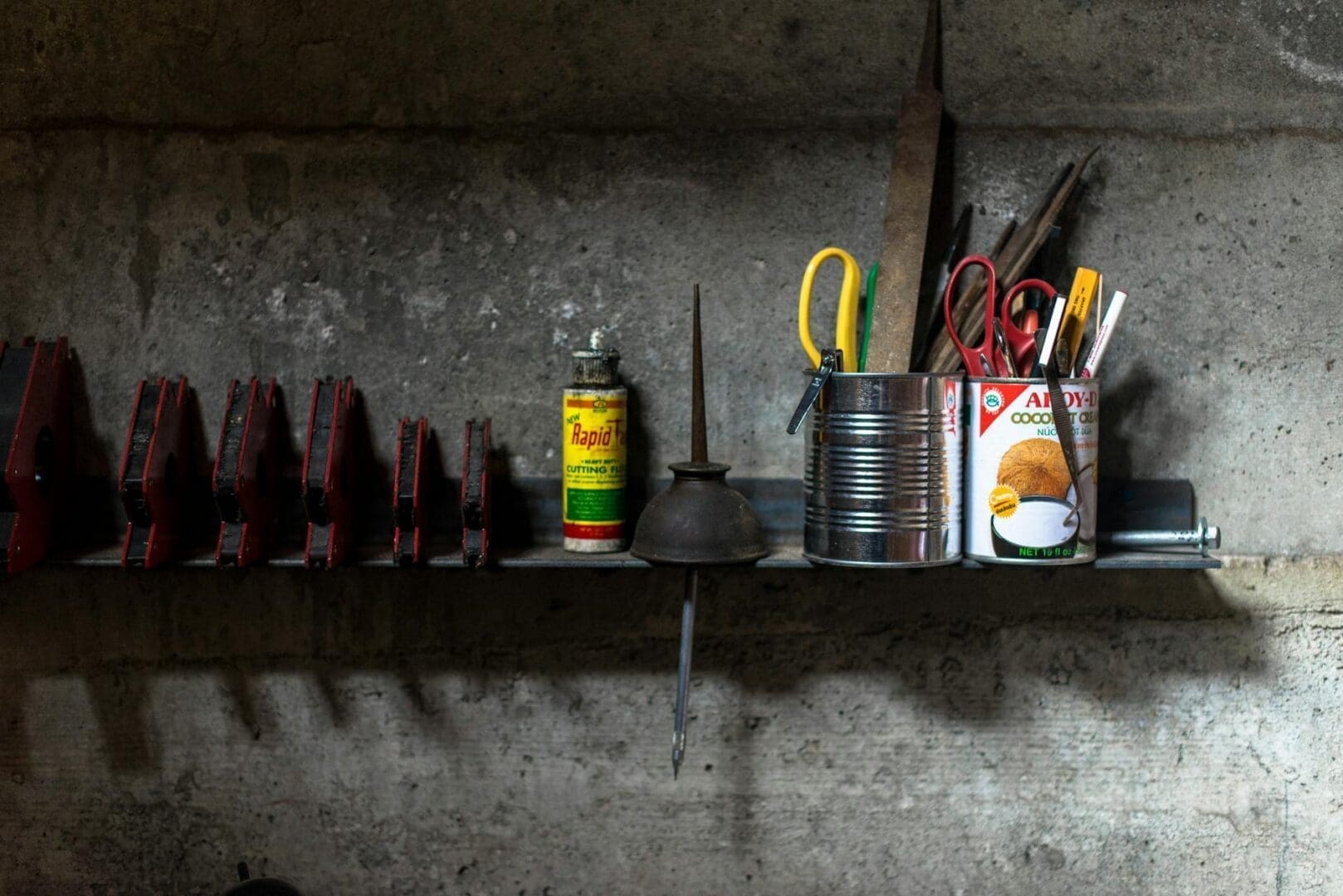
Your garage has potential—you can see it every time you pull in and eye that empty wall or cluttered corner. Whether you’re into woodworking, car maintenance, or DIY projects, transforming your garage into a proper workshop means investing in the right furniture and storage pieces that’ll actually work for how you build, fix, and create.
The difference between a frustrating space and a workshop you’ll actually use comes down to choosing pieces that fit your garage’s dimensions, match your project types, and keep everything accessible. Here’s what to consider as you shop.
Choosing the Right Workbench
The workbench is your workshop’s anchor, so this isn’t the place to guess. Measure your garage carefully—you’ll want at least 3 feet of clearance on the side where you’ll stand, and if you’re working with larger materials like plywood sheets, aim for a bench that’s at least 6 feet long.
For height, the standard 36 inches works for most people, but if you’re taller or spend hours at detailed work, consider adjustable-height options. Budget workbenches with particleboard tops run $150-$300 and handle light tasks fine. Mid-range options ($300-$600) typically feature hardwood or bamboo tops that can take real abuse. If you’re serious about woodworking or metalwork, heavy-duty benches with butcher block tops and built-in vises start around $600 and go up from there—they’re investments that’ll outlast your garage itself.
Look for benches with lower shelves or drawers. That bottom shelf alone doubles your usable storage space, and drawers keep frequently-used tools within arm’s reach without cluttering your work surface.
Storage Systems That Actually Make Sense
A workshop without proper storage is just an expensive place to lose tools. Wall-mounted systems give you the most flexibility—pegboards remain popular because you can reconfigure them as your tool collection grows, and they typically cost $30-$80 depending on size. Slatwall systems run a bit higher at $100-$200 but offer cleaner looks and sturdier accessory options.
For larger items and bulk storage, metal shelving units beat plastic every time in garage environments. They handle heavier loads (look for 200+ pounds per shelf), resist temperature fluctuations better, and cost roughly the same—expect $80-$150 for quality units. Go for adjustable shelves so you can accommodate everything from paint cans to power tools.
Tool chests and rolling cabinets deserve special attention. A basic 26-inch rolling tool chest starts around $150 and keeps your most-used tools mobile. Mid-range options ($300-$600) offer better drawer slides and organization inserts. Professional-grade chests run $800 and up, but unless you’re running an actual business from your garage, they’re usually overkill.
Seating and Auxiliary Furniture
Don’t overlook a good shop stool, especially if you do detailed work or assembly. Adjustable pneumatic stools ($50-$120) let you move between tasks comfortably, and models with backrest support save your posture during longer sessions. For projects that require sitting at bench height, look for stools that adjust between 24-32 inches.
A small utility cart ($40-$100) is surprisingly useful for moving projects between work areas or keeping current project supplies contained. Choose one with locking casters—non-locking wheels on concrete floors lead to frustrating moments when you’re trying to work precisely.
If your workshop doubles as a space for other activities, consider a folding workbench or wall-mounted drop-down table. These space-savers run $100-$250 and give you workspace that disappears when you need your garage back for, well, your car.
Lighting and Layout Considerations
While not furniture per se, your workbench placement determines everything else. Position your main workbench where you have the best natural light, typically facing your garage door or window. This affects which storage cabinets and shelving units will fit where.
Plan for a small assembly table or surface separate from your main bench—even a simple 4-foot folding table ($50-$80) gives you space to lay out project components without disrupting your primary work area. This seemingly minor addition prevents that constant shuffle of half-finished projects that clutters up productive workshops.
Your garage can become the workshop you’ve been picturing, but it starts with the right foundation pieces. Focus first on a solid workbench that fits your space and work style, add storage that keeps tools visible and accessible, and include the smaller furniture pieces that make long projects comfortable. Once you’ve got these fundamentals in place, you’ll wonder why you waited so long to make the change.
If you’re shopping for an air purifier, you’ve probably noticed two main technologies dominating the market: ionic purifiers and HEPA filters. Both promise cleaner air, but they work in completely different ways—and when it comes to safety, one has a clear advantage. Let’s break down what you actually need to know to make the right […]
You know you want cleaner air at home, but standing in front of air purifier options can feel overwhelming. Should you invest in a whole house system that integrates with your HVAC, or stick with portable units you can move from room to room? The answer depends on your home’s layout, your budget, and how […]
Did You Know? The Declaration of Independence Was Likely Written in a Windsor Chair As America celebrates 250 years of independence, it’s worth looking at one of the quieter witnesses to that history: the humble Windsor chair. Thomas Jefferson is said to have drafted the Declaration of Independence while seated in an unusual revolving Windsor […]