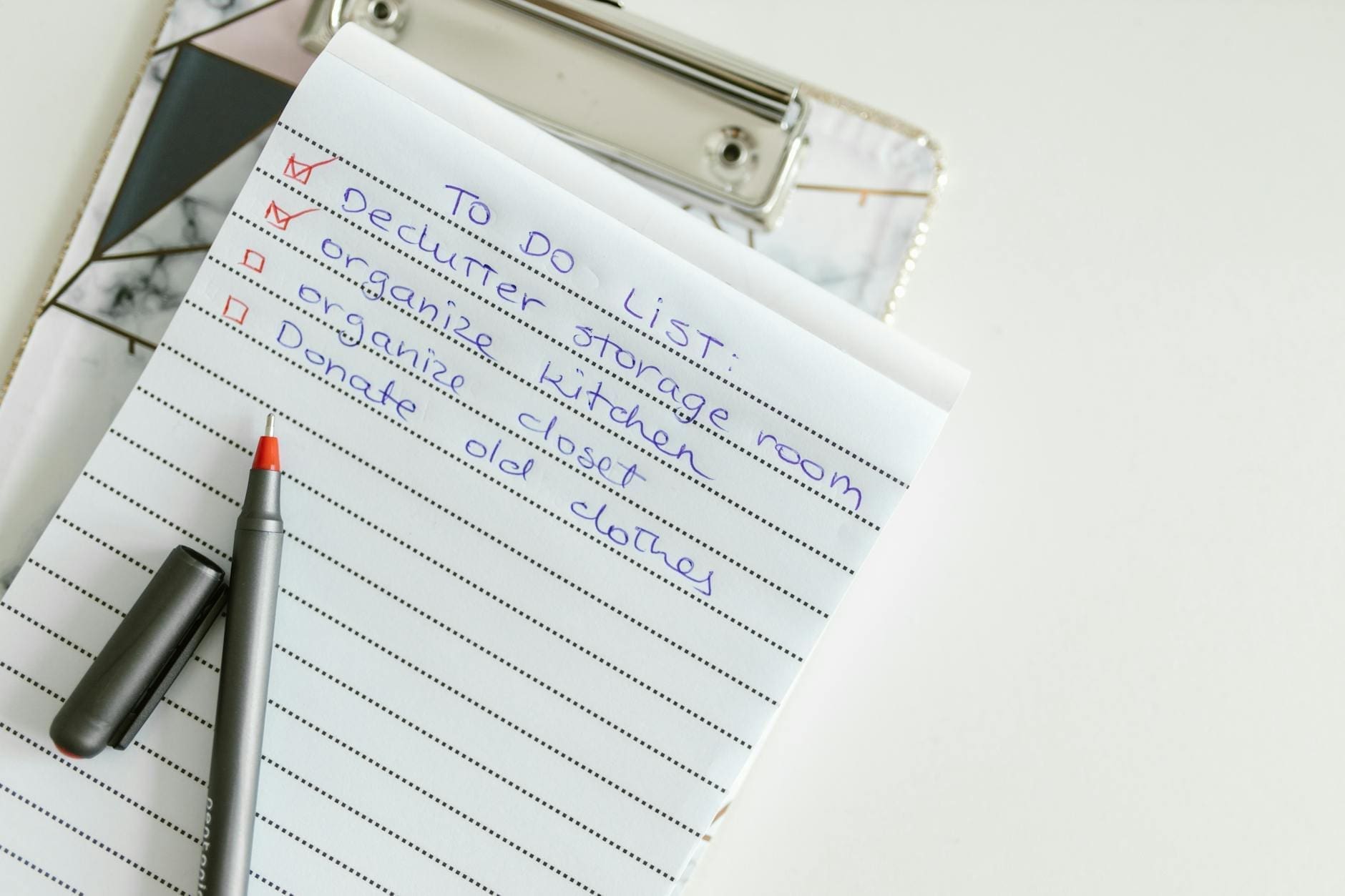
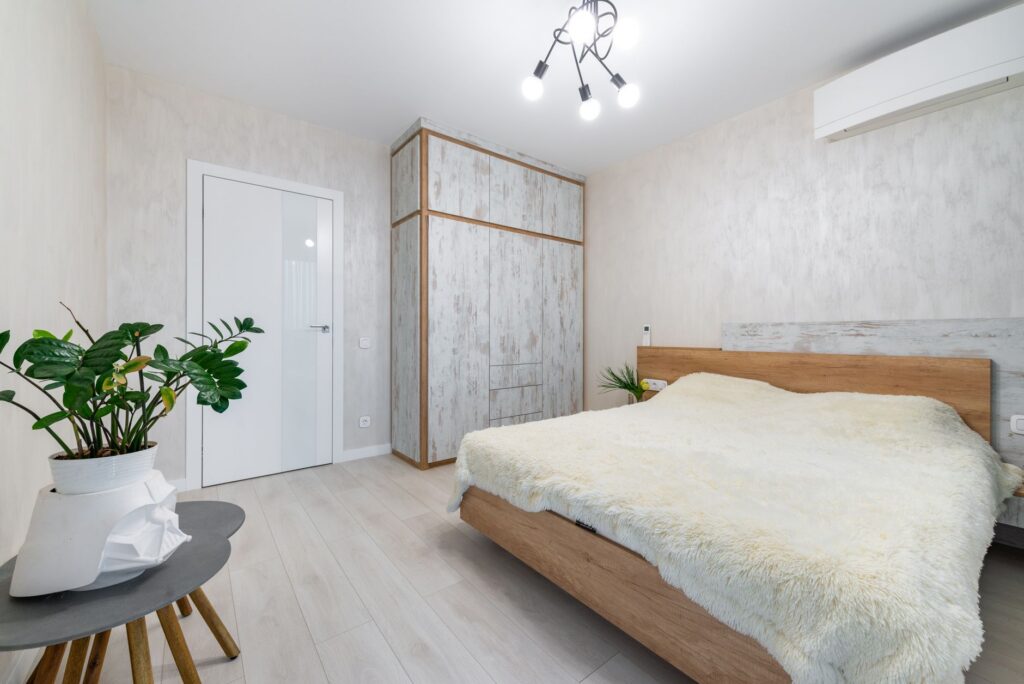
You know that sinking feeling when you look around your home and every surface needs attention? You’re not alone. The problem isn’t that you’re lazy or bad at cleaning—it’s that most cleaning schedules are built for people who don’t actually live in their homes. Between work, family, and everything else, you need a system that fits your real life, not some idealized version of it.
The good news? A cleaning schedule that actually works isn’t about doing more—it’s about being smarter with your time and your space. Let’s talk about how to set one up that you’ll actually stick to.
Start With Your Space and Storage Reality
Before you write down a single task, take stock of what’s making cleaning harder than it needs to be. Walk through each room and notice where clutter accumulates. That pile of shoes by the door? You need a proper entryway bench with cubbies. The mail scattered across your kitchen counter? A wall-mounted mail organizer or console table with dedicated drawers will change your life.
Strategic furniture choices can cut your cleaning time in half. Coffee tables with hidden storage keep living room clutter contained. Ottomans that open up give you a place to toss throw blankets instead of draping them over the sofa. In bedrooms, a storage bed frame eliminates under-bed dust bunnies while giving you drawer space for extra linens.
Budget options like fabric storage cubes and baskets run $15-30 and work great in closets and shelving units. Mid-range pieces like a quality hall tree or storage bench typically cost $150-400. If you’re ready to invest, custom built-ins or mudroom systems ($800-2,000+) practically eliminate clutter in high-traffic areas.
Break It Down by Frequency, Not by Room
Here’s where most schedules fall apart: they tell you to “clean the bathroom” without defining what that means. Instead, group tasks by how often they actually need doing.
Daily tasks should take 15 minutes max: make beds, wipe kitchen counters, do dishes, and quick surface tidy. A butler’s pantry or bar cart keeps cleaning supplies handy exactly where you use them. Weekly tasks include vacuuming, bathroom cleaning, and changing sheets—plan for 1-2 hours total. Monthly deep-cleans cover things like baseboards, inside the fridge, and window cleaning.
Your furniture setup can support this rhythm. A bedroom valet stand or clothes chair gives you a designated spot for tomorrow’s outfit instead of piling clothes on exercise equipment. Slipcovered furniture in family rooms means you can actually wash your sofa covers quarterly instead of spot-cleaning constantly.
Match Your Schedule to Your Household Style
A cleaning schedule for one person in a studio apartment looks nothing like one for a family of four with pets. Be honest about your household’s patterns.
If you have young kids, lower storage solutions like toy chests and open shelving units they can reach make cleanup a shared task instead of your solo project. For pet owners, furniture with washable cushions and tight-weave fabrics reduces the constant battle against fur. Leather and performance fabrics in the $400-1,200 range for a sofa make way more sense than delicate materials that show every paw print.
Consider your energy patterns too. Morning people can reset the kitchen before work. Night owls might prefer a 10-minute evening pickup routine. Match your cleaning tasks to when you actually have the mental bandwidth to do them.
Create Zones and Stations That Work With You
Professional organizers swear by the concept of “zones”—designated areas for specific activities that include everything you need right there. A homework station with a compact desk and supply organizer means school stuff doesn’t migrate to the dining table. A coffee bar setup with a small cart or dedicated cabinet keeps morning chaos contained.
In laundry areas, a folding table or counter-height surface paired with a divided hamper system (lights, darks, delicates) makes the whole process flow better. You’re not creating more work—you’re designing your space so cleaning becomes the natural next step instead of a separate chore you dread.
The right furniture pieces act like systems, not just decorations. That’s the difference between a home that’s constantly messy and one that stays relatively tidy with minimal effort.
Your cleaning schedule will only work if your home is set up to support it. Start with one or two organizational furniture pieces that address your biggest pain points, build your schedule around what realistically fits your week, and adjust as you go. You’re not aiming for perfection—you’re aiming for a home that feels manageable and a system you can actually maintain.
If you’re shopping for an air purifier, you’ve probably noticed two main technologies dominating the market: ionic purifiers and HEPA filters. Both promise cleaner air, but they work in completely different ways—and when it comes to safety, one has a clear advantage. Let’s break down what you actually need to know to make the right […]
You know you want cleaner air at home, but standing in front of air purifier options can feel overwhelming. Should you invest in a whole house system that integrates with your HVAC, or stick with portable units you can move from room to room? The answer depends on your home’s layout, your budget, and how […]
Did You Know? The Declaration of Independence Was Likely Written in a Windsor Chair As America celebrates 250 years of independence, it’s worth looking at one of the quieter witnesses to that history: the humble Windsor chair. Thomas Jefferson is said to have drafted the Declaration of Independence while seated in an unusual revolving Windsor […]