Living in a small home means getting creative with every square foot. The right storage solutions can transform a cramped, cluttered space into an organized sanctuary where everything has its place. But not all storage furniture works the same way in tight quarters—some pieces save space while others just eat it up. Let’s walk through what actually matters when you’re shopping for storage in a small home.
Think Vertical and Multi-Functional
When floor space is limited, your walls become prime real estate. Tall bookcases, wall-mounted shelving units, and floor-to-ceiling cabinets draw the eye upward and maximize storage without consuming precious square footage. Look for pieces that reach at least 72 inches high—anything shorter leaves valuable storage potential untapped.
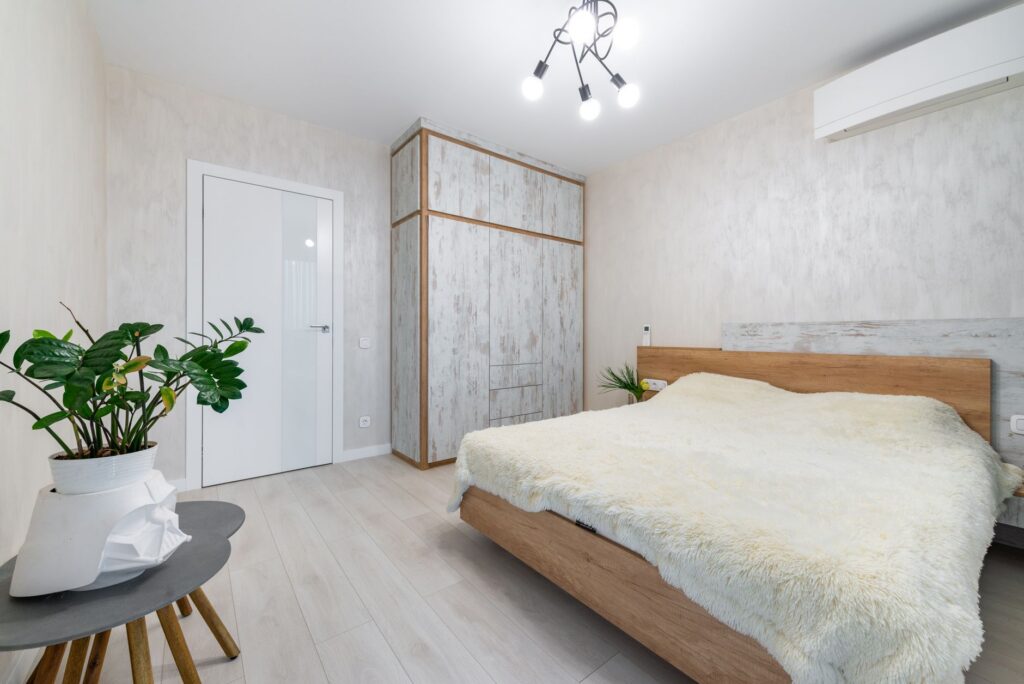
Multi-functional furniture is your best friend in a small space. Storage ottomans do double duty as seating and hidden storage for blankets or toys. Bed frames with built-in drawers eliminate the need for a separate dresser. Coffee tables with lower shelves or lift-top mechanisms provide display and hidden storage. Console tables with cabinets can serve as both entryway storage and a dining sideboard. When one piece can do the job of two, you’re already winning the space game.
Budget-friendly options like cube storage systems start around $50-$150 and offer flexibility as your needs change. Mid-range multi-functional pieces typically run $200-$600, while high-quality hardwood storage furniture with clever built-ins can reach $800-$2,000.
Choose the Right Scale and Proportion
Here’s a counterintuitive truth: sometimes bigger is actually better in a small space. One substantial bookcase looks more intentional and stores more than three small ones scattered around. The key is choosing pieces that fit your room’s proportions without blocking pathways or overwhelming sightlines.
Measure carefully before you shop. You need at least 30 inches of walkway space, so if your living room is 10 feet wide, your storage unit shouldn’t exceed 6 feet deep and wide combined. Depth matters too—look for pieces between 12-16 inches deep rather than standard 20-24 inch depths. Shallow storage keeps you from losing items in the back and prevents your room from feeling boxed in.
Furniture with legs or open bases creates visual breathing room and makes spaces feel larger. Solid pieces that sit directly on the floor can make a small room feel heavy and closed off.
Material and Style Considerations
Light-colored and transparent materials help maintain an airy feel. White, light wood tones, and glass-front cabinets reflect light and prevent storage from becoming visual clutter. That said, if your style leans darker or more dramatic, own it—just balance heavier pieces with adequate lighting and avoid covering every wall.
Open shelving creates an expanded feel but requires discipline to keep tidy. Closed storage hides visual chaos, making it ideal for items you use daily but don’t want on display. A mix of both often works best: open shelves for decorative items and frequently used pieces, closed cabinets for everything else.
Modular systems offer the most flexibility in small homes. You can start with a few pieces and add components as needed, customizing the configuration to fit awkward corners or specific dimensions. Look for systems from brands that maintain their product lines long-term so you can expand later.
Hidden Storage Opportunities
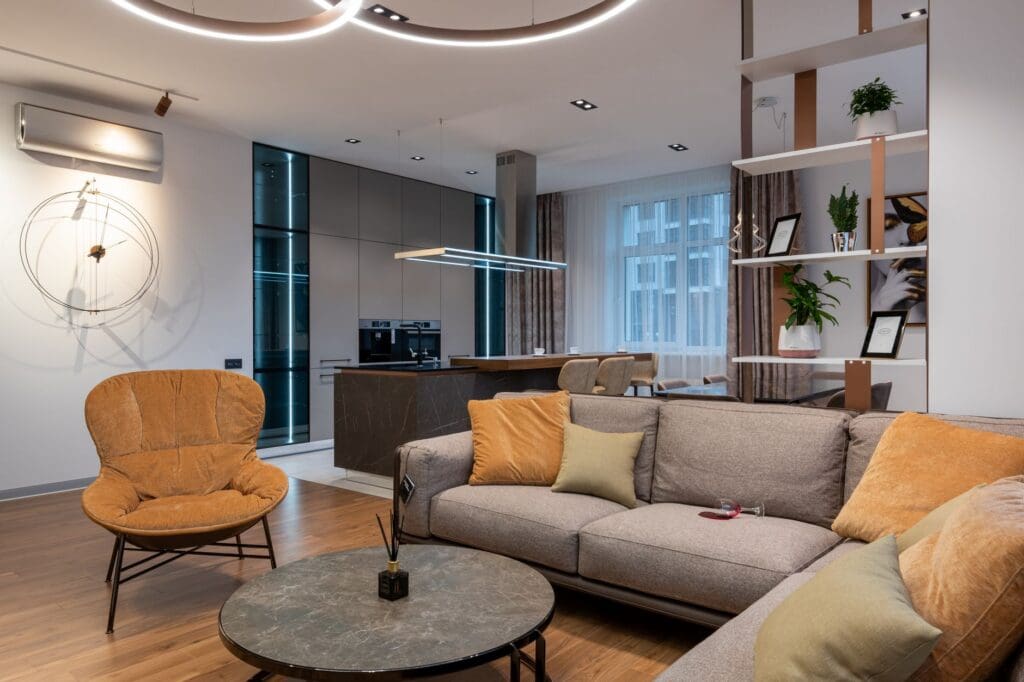
The best small-space storage often hides in plain sight. Storage benches in entryways capture shoes and accessories right where you need them. Headboards with built-in shelving eliminate nightstands. Kitchen islands with cabinet bases add storage while defining spaces in open layouts.
Don’t overlook unconventional spots: the space under stairs, above doorways, or in dead corners can accommodate custom or semi-custom storage solutions. Floating shelves in these areas cost $20-$100 installed and make use of otherwise wasted space.
Small homes demand smart storage choices, but that doesn’t mean sacrificing style. The pieces that work hardest are those that match your aesthetic while maximizing every inch. Measure your space, identify what you need to store, and prioritize furniture that pulls double duty. When you find storage solutions that truly fit your home’s dimensions and your daily life, you’ll wonder how you ever managed without them.
If you’re shopping for an air purifier, you’ve probably noticed two main technologies dominating the market: ionic purifiers and HEPA filters. Both promise cleaner air, but they work in completely different ways—and when it comes to safety, one has a clear advantage. Let’s break down what you actually need to know to make the right […]
You know you want cleaner air at home, but standing in front of air purifier options can feel overwhelming. Should you invest in a whole house system that integrates with your HVAC, or stick with portable units you can move from room to room? The answer depends on your home’s layout, your budget, and how […]
Did You Know? The Declaration of Independence Was Likely Written in a Windsor Chair As America celebrates 250 years of independence, it’s worth looking at one of the quieter witnesses to that history: the humble Windsor chair. Thomas Jefferson is said to have drafted the Declaration of Independence while seated in an unusual revolving Windsor […]