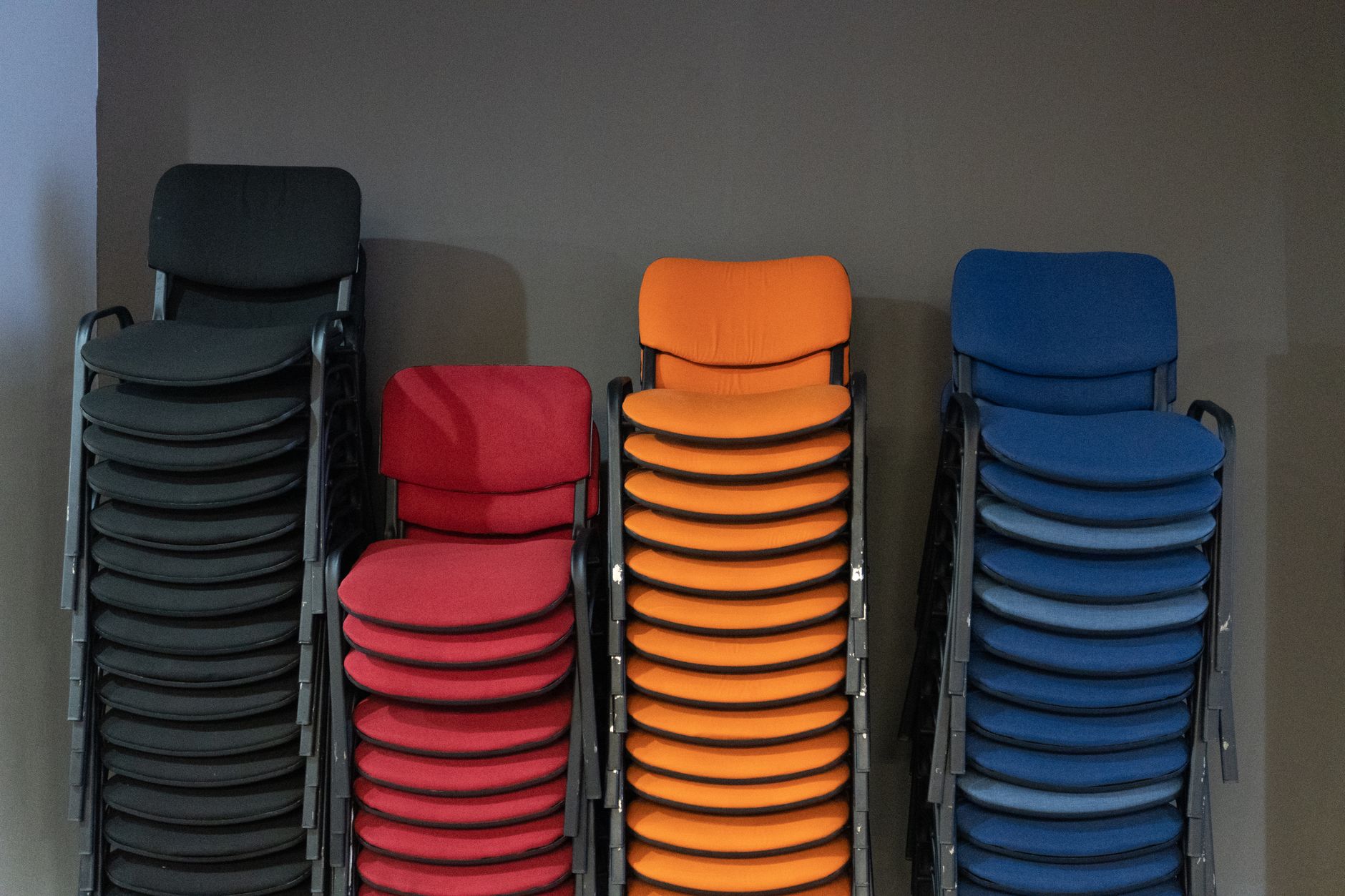
Living in a small space doesn’t mean you can’t host dinner parties or family gatherings. The challenge is where to put those extra chairs when they’re not in use. Stackable dining chairs solve this problem beautifully, giving you flexible seating that disappears into a closet, corner, or even under a bed when you need your space back. But not all stackable chairs are created equal—some are flimsy, others uncomfortable, and a few don’t stack as efficiently as you’d hope.
Stacking Height and Storage Capacity
Before you fall in love with a particular style, figure out where you’ll store your chairs when they’re stacked. Most stackable dining chairs can be stacked 4 to 6 high, creating a tower that’s typically 3 to 4 feet tall. Measure your closet, pantry, or the space beside your sideboard to make sure this will work.
Pay attention to how the chairs stack. The best designs nest closely together without wobbling, usually stacking to about 8 to 10 inches per chair. Chairs with arms or wide seats often stack less efficiently, so if storage space is truly tight, stick with armless designs. Some chairs also feature protective bumpers or felt pads between stacked seats to prevent scratching—worth looking for if you’re investing in nicer pieces.
Think about weight too. If you’re the one moving these chairs in and out of storage regularly, lighter materials like aluminum or molded plastic (typically 8 to 12 pounds per chair) will be much easier to handle than solid wood options (15 to 20 pounds each).
Material and Durability Considerations
The material you choose affects everything from how the chairs look to how long they’ll last. Polypropylene plastic chairs are incredibly popular for small spaces because they’re lightweight, weather-resistant, and easy to wipe clean. Budget options start around $40-$60 per chair, while designer versions can run $150-$300. They’re perfect if you have kids or tend to move furniture around frequently.
Metal stackable chairs—think bistro or café styles—offer durability and an industrial or vintage aesthetic. Steel frames with powder-coated finishes hold up well to regular use and typically cost $80-$200 per chair. They’re heavier than plastic but still manageable, and they add character to modern or eclectic spaces.
Wood stackable chairs bring warmth and traditional appeal but are usually the heaviest option. Bentwood designs and molded plywood styles offer the best compromise, combining classic looks with reasonable weight. Expect to spend $100-$300 per chair for quality wood options that won’t fall apart after a few dinner parties.
Comfort Features That Matter
Just because a chair stacks doesn’t mean it should feel like you’re perched on a folding chair. Look for contoured seats and backs that support your body’s natural curves. A slight backward angle in the backrest (around 5-10 degrees) makes a huge difference during longer meals.
Seat depth is crucial—aim for at least 16 inches from front to back so adults can sit comfortably without feeling like they’re about to slide off. Width matters too; 17 to 19 inches provides enough room without taking up too much space around your table.
Upholstered or padded seats add comfort for extended sitting, though they do make the chairs slightly bulkier and harder to clean. If you go this route, choose fabrics that are stain-resistant or have removable, washable covers. Some stackable chairs offer optional seat cushions you can add when guests arrive and remove for storage—giving you flexibility without permanent bulk.
Style and Finish Options
Stackable chairs have come a long way from basic cafeteria seating. Modern designs range from minimalist Scandinavian styles with clean lines to classic bentwood bistro chairs that work in traditional spaces. Transparent or translucent acrylic chairs create an airy feel that’s perfect for small dining areas, while solid colors can either blend with your existing decor or add a fun pop of personality.
Consider whether you want your stackable chairs to match your everyday dining chairs or stand apart. Some people keep 4 regular chairs at the table and store 4 stackable ones for guests—in which case, choosing complementary rather than identical styles can actually look more intentional. Mixing materials, like pairing wood everyday chairs with metal stackable ones in a similar finish, creates an eclectic but cohesive look.
When you’re ready to make a choice, think about your real-life habits. If you host monthly dinner parties, invest in comfort and style—these chairs will see regular use. If you need them twice a year, prioritize compact storage and durability over luxury features. The right stackable dining chairs give you the flexibility to be spontaneous with your guest list without sacrificing your daily living space, making your small dining area work harder without feeling cramped.
How many stackable dining chairs can you safely stack?
Most stackable dining chairs can be safely stacked 4 to 6 high, depending on their design and weight. Always check the manufacturer’s specifications, as stacking too many can damage the chairs or create an unstable tower that’s difficult to handle.
Are stackable dining chairs less comfortable than regular chairs?
Not necessarily. Modern stackable chairs come in many designs, including padded seats and contoured backs that rival traditional dining chairs. The key is looking for ergonomic features like curved backrests and adequate seat depth, rather than assuming all stackable chairs sacrifice comfort.
What is the best material for stackable dining chairs?
Polypropylene plastic and molded wood are excellent choices for durability and light weight, while metal frames offer strength. For indoor use, wood stackable chairs provide a more traditional look, though they’re typically heavier to move and stack.
How much space do I need to store stacked dining chairs?
A stack of 4-6 chairs typically requires about 2 square feet of floor space and stands 3-4 feet tall. Measure your intended storage area—like a closet, pantry, or corner—before purchasing to ensure the stacked height will fit comfortably.
Can stackable chairs look stylish in a dining room?
Absolutely. Today’s stackable chairs range from sleek modern designs to classic bistro styles that complement any decor. Look for options with interesting silhouettes, quality finishes, or upholstered seats that blend seamlessly with your non-stackable furniture.
Hallways are the overlooked workhorses of our homes—they connect every room, but rarely get the storage love they deserve. A well-chosen sideboard transforms that narrow stretch of wall into genuinely useful space without making your hallway feel like an obstacle course. The trick is finding one that fits the proportions of the room while actually […]
Dark kitchens—whether they feature rich espresso cabinets, moody charcoal walls, or black granite countertops—create incredible drama and sophistication. But they also present a unique challenge when it comes to choosing bar stools. Pick the wrong ones, and your beautiful space can feel cave-like or visually heavy. Choose wisely, and your stools become the bright spot […]
Your kitchen peninsula is prime real estate—it’s where morning coffee happens, where kids do homework while you’re prepping dinner, and where guests naturally gather during parties. Getting the right bar stools makes all the difference between a peninsula that feels welcoming and one that sits empty. But with so many options for height, style, and […]