Hallways are the overlooked workhorses of our homes—they connect every room, but rarely get the storage love they deserve. A well-chosen sideboard transforms that narrow stretch of wall into genuinely useful space without making your hallway feel like an obstacle course. The trick is finding one that fits the proportions of the room while actually holding the things you need to stash away.
Getting the Depth Right (This Matters More Than You Think)
In a hallway, depth is everything. Go too deep and you’ll be turning sideways every time you walk past. Most hallways need sideboards that are 12 to 16 inches deep—shallow enough to preserve walkway space but deep enough to be functional.
Here’s the golden rule: measure your hallway width and subtract the sideboard depth. You should have at least 36 inches of clear passage remaining, though 42 to 48 inches feels more comfortable, especially if multiple people use the hallway regularly or you have pets who like to sprawl.
Shallow sideboards in the 12 to 14-inch range work beautifully in tight hallways and can still accommodate shoes, folded scarves, and mail organizers. If you have a wider hallway (5 feet or more), you can consider pieces up to 18 inches deep, which gives you room for deeper drawers that fit bulkier items like handbags or small electronics.
Length and Height: Balancing Scale and Function
A sideboard that’s too short looks lost on a long hallway wall, while one that’s too long can make the space feel cramped. Most hallway sideboards fall between 48 and 72 inches long—long enough to offer meaningful storage without dominating the space.
If your hallway has architectural features like doorways, light switches, or heating vents, measure carefully to ensure your sideboard won’t block access. Leave 6 to 12 inches of breathing room on either side of the piece. This creates visual balance and prevents that “wall-to-wall furniture” feeling.
For height, consider what you’ll place on top. Standard sideboards sit around 30 to 36 inches tall, which puts the surface at a comfortable height for dropping keys or displaying a table lamp. If your hallway has wainscoting or chair rail molding, choosing a sideboard that aligns with or sits just below that line creates a more cohesive look.
Storage Features That Actually Work in Hallways
Think about what you’re constantly tripping over or hunting for in your home—those items probably belong in your hallway sideboard. Drawers are ideal for smaller items like sunglasses, dog leashes, and charging cables that tend to scatter. Look for felt-lined top drawers if you plan to store sunglasses or jewelry.
Cabinets with adjustable shelving give you flexibility as your needs change. You might store winter boots in November and beach bags in June. Models with both drawers and cabinet space offer the most versatility—drawers for everyday clutter and cabinets for shoes or seasonal items.
Some hallway sideboards include features like built-in cord management (helpful if you want to charge devices), wine racks (if your hallway connects to a dining area), or ventilated compartments (great for gym bags or shoes). Once you’ve settled on dimensions, our guide to choosing between doors and open shelving can help you find the right storage style.
Style and Material Choices
Your hallway is the first interior space guests see, so your sideboard sets the tone. Mid-century modern pieces with tapered legs create an airy feeling in narrow hallways, while traditional sideboards with decorative hardware add warmth to classic homes.
Material-wise, wood sideboards in walnut, oak, or painted finishes remain the most popular and durable choice, typically ranging from $400 for budget-friendly options to $1,200+ for solid hardwood pieces. Engineered wood with veneer finishes offers good looks at lower price points ($250-$500) and holds up well in low-traffic hallways.
If your hallway sees heavy use—near a mudroom or main entrance—consider darker finishes or distressed wood that won’t show every scuff. Glass-front cabinets look elegant but require you to keep the contents tidy, so they work best if you’re naturally organized or plan to display attractive items rather than everyday clutter.
Choosing a hallway sideboard comes down to honest measurements and realistic thinking about what you need to store. A piece that’s properly scaled to your space and thoughtfully designed for your actual life will turn that neglected hallway into one of the hardest-working spots in your home. Measure twice, consider your daily routine, and you’ll find a sideboard that feels like it was custom-made for your space.
Most hallway sideboards should be 12 to 16 inches deep to avoid blocking the walkway. Measure your hallway width and ensure at least 36 inches of clear passage space remains after placing the sideboard against the wall.
What is the difference between a sideboard and a console table for a hallway?
A sideboard typically offers enclosed storage with cabinets or drawers and is deeper (14-20 inches), while a console table is narrower (10-15 inches) and often features open shelving. Sideboards provide more functional storage, making them ideal for hallways where you need to tuck away shoes, mail, or seasonal items.
How long should a hallway sideboard be?
The ideal length depends on your hallway space, but most hallway sideboards range from 48 to 72 inches long. Leave at least 6-12 inches of wall space on each side for visual breathing room and to avoid a cramped appearance.
Can you put a sideboard in a narrow hallway?
Yes, as long as you choose a shallow model (12-14 inches deep) and maintain sufficient walkway clearance. Narrow hallways work best with sideboards that have a smaller footprint but still offer vertical storage to maximize functionality without crowding the space.
What should I store in a hallway sideboard?
Common items include shoes, bags, keys, mail, gloves, scarves, and seasonal accessories like sunscreen or umbrellas. Many people also use hallway sideboards to store cleaning supplies, pet leashes, or extra linens if the piece is near bedrooms or bathrooms.
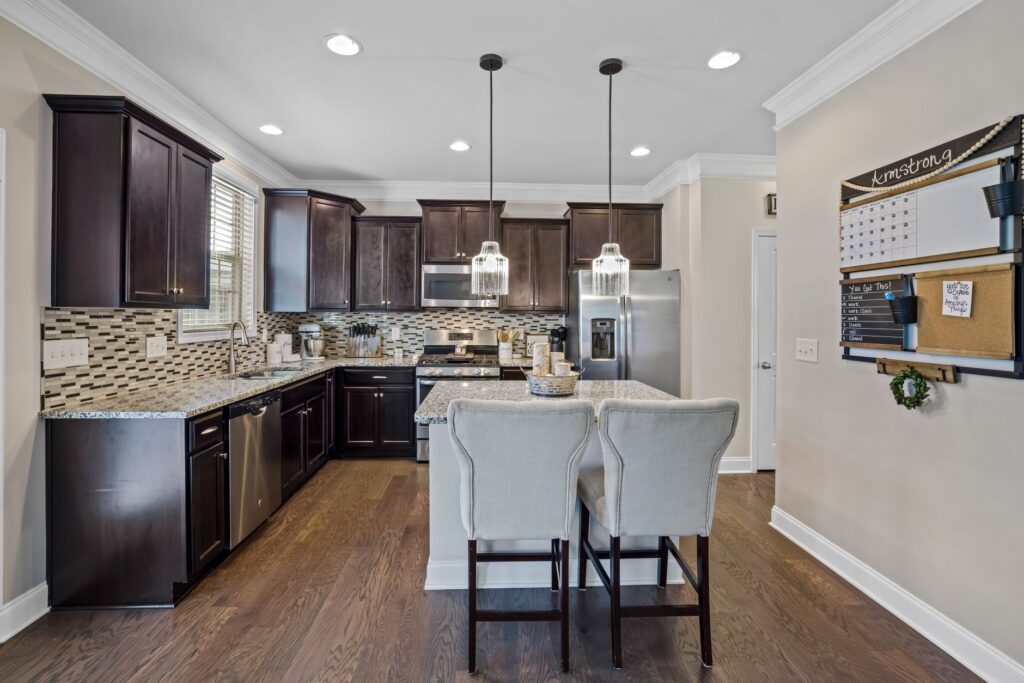
Dark kitchens—whether they feature rich espresso cabinets, moody charcoal walls, or black granite countertops—create incredible drama and sophistication. But they also present a unique challenge when it comes to choosing bar stools. Pick the wrong ones, and your beautiful space can feel cave-like or visually heavy. Choose wisely, and your stools become the bright spot […]
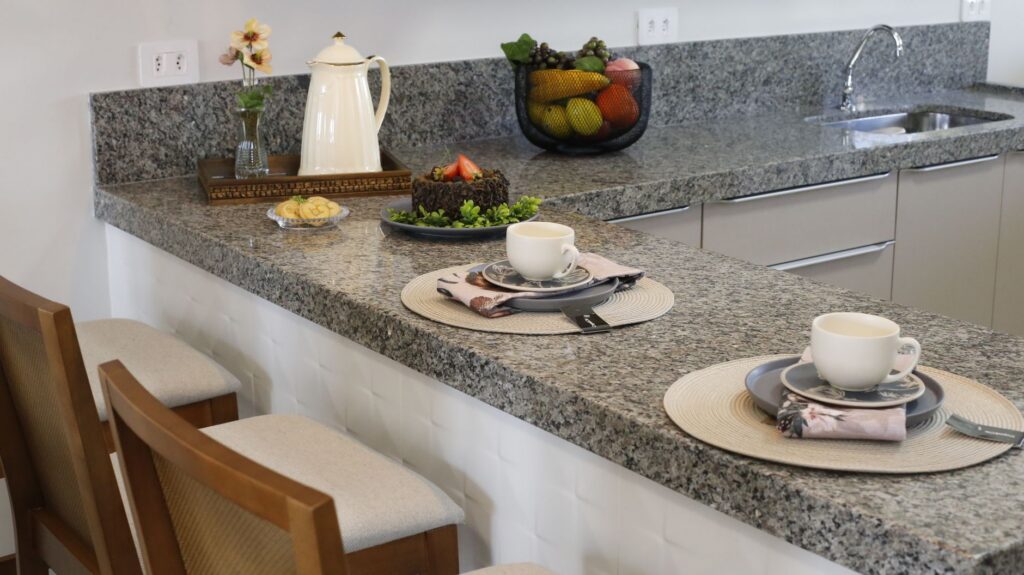
Your kitchen peninsula is prime real estate—it’s where morning coffee happens, where kids do homework while you’re prepping dinner, and where guests naturally gather during parties. Getting the right bar stools makes all the difference between a peninsula that feels welcoming and one that sits empty. But with so many options for height, style, and […]
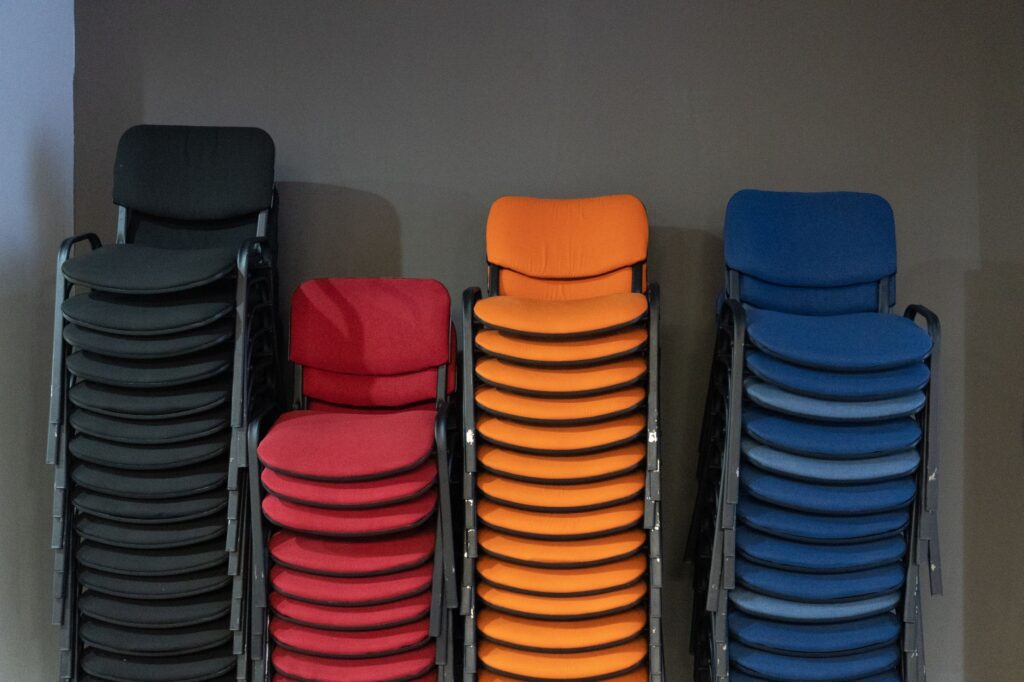
Living in a small space doesn’t mean you can’t host dinner parties or family gatherings. The challenge is where to put those extra chairs when they’re not in use. Stackable dining chairs solve this problem beautifully, giving you flexible seating that disappears into a closet, corner, or even under a bed when you need your […]