You’ve measured your dining room, you know you need more storage, and now you’re staring at dozens of sideboards wondering: doors or open shelves? It’s not just an aesthetic choice—it affects how you’ll actually use this piece every single day. Let’s walk through what really matters so you can pick the sideboard that works for your space and your stuff.
What You’re Actually Storing
Start here, because this one factor will probably make your decision for you. Take a mental inventory of what’s going into this sideboard.
Closed doors are your best friend if you’re storing anything you’d rather not see all the time: table linens that never fold quite perfectly, random serving bowls in mismatched styles, kids’ art supplies for the dining table, or paperwork that needs a home. Doors also protect items from dust, which matters if you’re storing china, glassware, or anything silver that tarnishes. If you have young kids or pets, closed storage keeps breakables safely out of reach and curious hands from rearranging your carefully stacked dishes.
Open shelving shines when you have things worth showing off—a collection of white ironstone, colorful cookbooks, beautiful serving pieces, or those gorgeous handmade bowls you actually want to see. It keeps everyday items easily accessible, which is genuinely convenient when you reach for the same water pitcher every morning. The catch? Everything on those shelves needs to earn its spot. That random plastic container or mismatched stack of napkins will stand out, and not in a good way.
Many people land on a combination sideboard with both closed and open storage. You get the best of both worlds: hide the clutter behind doors, display the pretty stuff on shelves. These typically run $400-$1,200 depending on size and quality, while fully closed sideboards range from $350-$2,000, and open console-style pieces start around $250.
Your Honest Relationship with Clutter
Here’s where you need to be real with yourself. How tidy are you on a day-to-day basis?
If you’re someone who naturally keeps things organized and enjoys the look of curated displays, open shelving can look absolutely beautiful. You’ll probably enjoy the styling process and keep those shelves refreshed and dust-free. But if you’re more of a “close the door and deal with it later” person (no judgment—most of us are), closed storage will make your life so much easier. You can toss things inside, shut the door, and your dining room still looks pulled together.
Open shelving requires ongoing maintenance. Dust settles on horizontal surfaces, and everything on those shelves will need regular attention. You’ll also feel pressure to keep things looking intentional rather than haphazard. Some people find this motivating; others find it exhausting after about two weeks.
How the Style Affects Your Room
Beyond storage function, doors versus open shelving completely changes how a sideboard sits in your space visually.
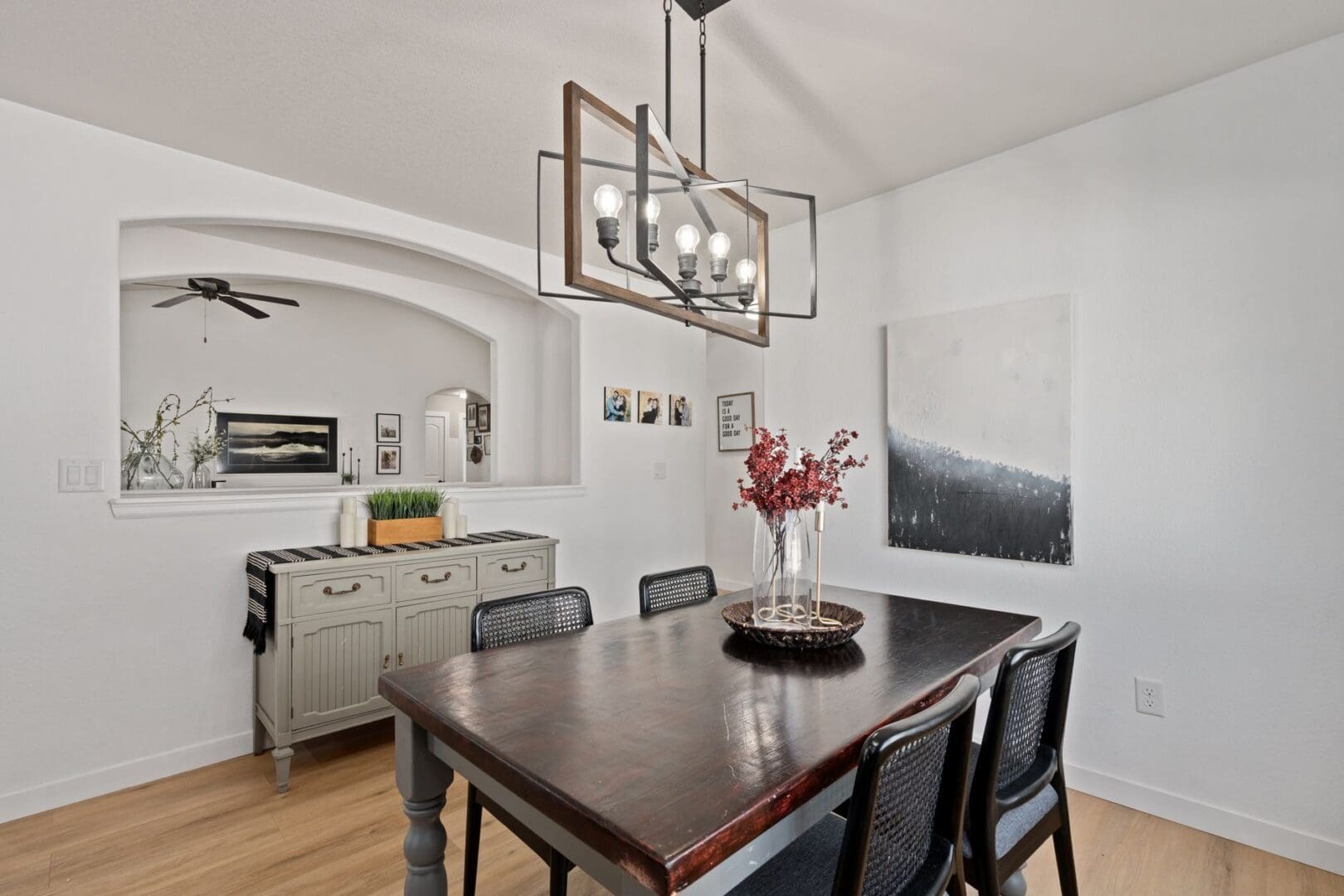
Closed door sideboards feel more substantial and grounded. They create clean lines and can make a dining room feel more formal and finished. Wood doors add warmth; painted doors can lighten up a space or add a pop of color. If your dining room opens to other areas, closed storage helps define the space without adding visual clutter. Look for sideboards with interesting door details—reeded glass, carved panels, or contrasting hardware—to add character without sacrificing that clean look.
Open shelving reads more casual and airy. It can actually make a small dining room feel less heavy because you can see through the piece rather than having a solid visual block. This works especially well in modern, Scandinavian, or farmhouse-style spaces. The transparency keeps things feeling light, and styled shelves add personality and color to your room. If you’re also thinking about your living room layout, our guide to choosing a sideboard for kitchen storage offers more placement ideas.
Glass-front cabinets split the difference nicely. They protect your items from dust while still putting them on display. They work beautifully for dishware collections or vintage glassware, giving you that curated look with less maintenance than fully open shelves.
Making Your Decision Stick
Think about your sideboard in real-life scenarios. Picture yourself after hosting dinner: are you the type who’ll arrange serving pieces artfully on open shelves, or would you rather hide the jumble of serving bowls behind doors and deal with organizing them later? Imagine a busy weekday morning—will open shelving with your coffee mugs and water glasses feel convenient, or will the visual business stress you out?
If you genuinely can’t decide, look for a sideboard that offers both options. A piece with central open shelving flanked by cabinets on each side gives you flexibility. You can always add baskets or boxes to open shelves if you need to corral smaller items while keeping the overall look intentional.
The right sideboard isn’t about following design rules—it’s about choosing storage that fits how you actually live. Whether you go with doors, open shelving, or a mix of both, pick the option that’ll make your dining room more functional and less stressful. You’re the one who’ll use it every day, so trust your instincts about what will actually work for your stuff, your style, and your tolerance for keeping things camera-ready.
Is a sideboard better with doors or open shelving?
It depends on what you’re storing and how organized you naturally are. Closed doors hide clutter and protect items from dust, while open shelving displays decorative pieces and keeps everyday items accessible. Many people find a combination of both works best for their needs.
What should I store in a sideboard with doors?
Closed cabinets are ideal for storing items you don’t want on display, like table linens, serving platters, board games, or paperwork. They also work well for keeping glassware dust-free and protecting silver or china from tarnishing. The hidden storage helps maintain a clean, uncluttered look in your dining room.
Are open shelves on a sideboard hard to keep clean?
Open shelving does collect dust more quickly than closed storage, requiring weekly dusting of both the shelves and displayed items. However, the maintenance is manageable if you style shelves with just a few carefully chosen pieces rather than overcrowding them. Some people find the visual reminder actually helps them dust more regularly.
Can you mix doors and open shelving on one sideboard?
Absolutely, and this is often the most practical choice. A combination sideboard gives you concealed storage for clutter while providing display space for decorative items. Look for designs with open shelving in the center and cabinets on the sides, or upper open shelves above lower closed cabinets.
Do sideboards with glass doors count as open or closed storage?
Glass door sideboards fall somewhere in between. They protect items from dust while still displaying your collection, making them ideal for china, glassware, or decorative pieces you want to showcase. The visual effect is more open than solid doors but more polished than fully open shelving.
Did You Know? The Declaration of Independence Was Likely Written in a Windsor Chair As America celebrates 250 years of independence, it’s worth looking at one of the quieter witnesses to that history: the humble Windsor chair. Thomas Jefferson is said to have drafted the Declaration of Independence while seated in an unusual revolving Windsor […]
Shopping for a dining table when you have a family of six means you need something that works for Tuesday night homework sessions, weekend pancake breakfasts, and holiday dinners with grandparents—all without taking over your entire dining room. The right table makes family life easier. The wrong one? You’ll feel it every single day. Let’s […]
If you’re working with a compact dining area, you’ve probably already discovered that square and rectangular tables can feel like furniture Tetris. Round dining tables are often the smartest solution for small spaces—they eliminate sharp corners that eat up valuable square footage, create better traffic flow, and somehow make a room feel more spacious even […]