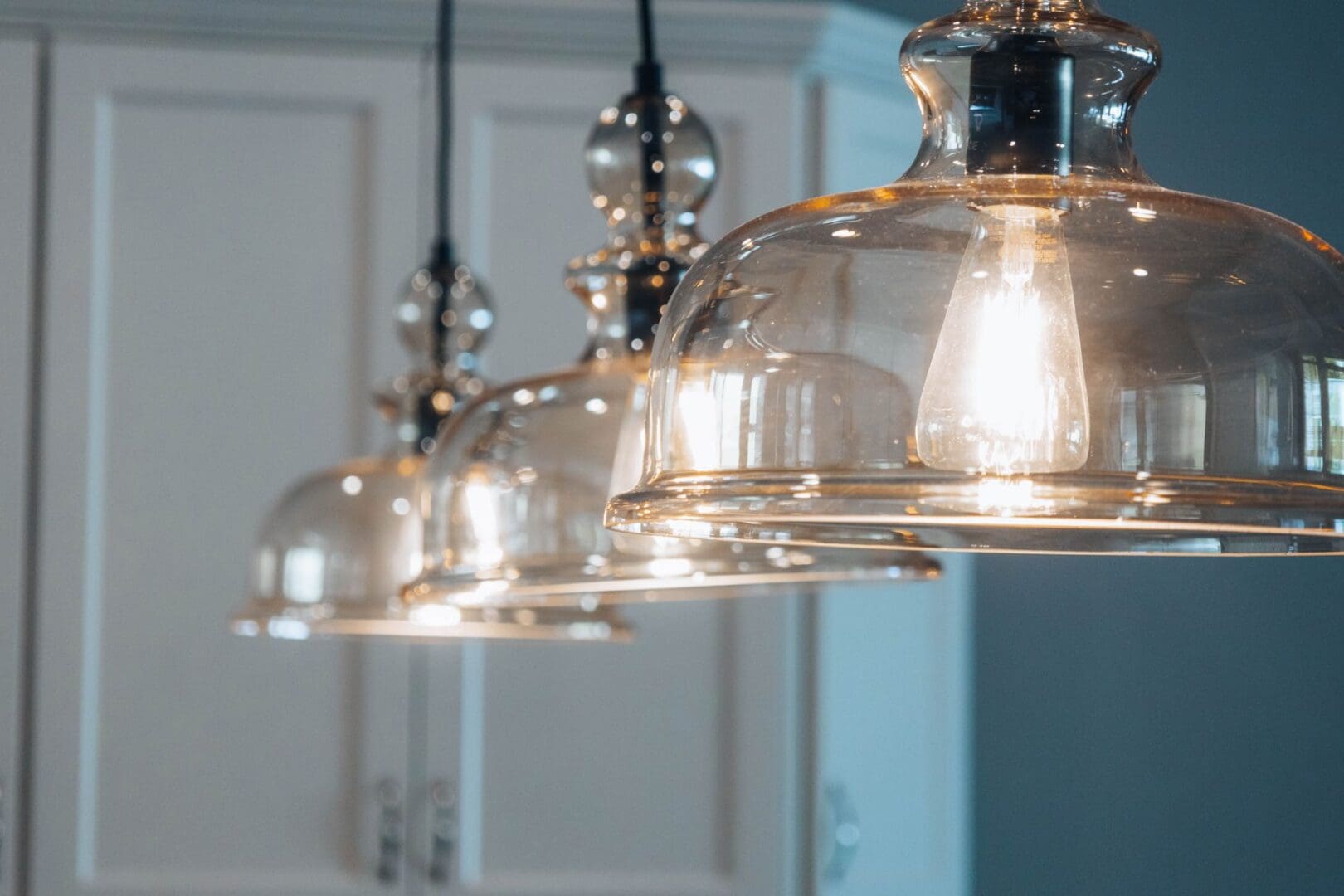
Pendant lights aren’t just for kitchens and dining rooms anymore. When used thoughtfully, they can become a stunning focal point in your living room—adding both style and much-needed light exactly where you need it. But choosing the right pendant for this multi-purpose space takes a bit more consideration than you might think. Hang it too low and you’ll bump your head. Pick the wrong size and it’ll either disappear or dominate the room. Let’s walk through what you actually need to know.
Getting the Size and Scale Right
The most common mistake people make with living room pendant lights is choosing a fixture that’s too small. A petite pendant that would look charming over a nightstand will get lost in the visual noise of a living room filled with furniture, artwork, and textures.
Here’s a helpful starting point: add your room’s length and width (in feet), then convert that number to inches for your pendant’s diameter. So if your living room is 14 feet by 16 feet, you’re looking at a pendant around 30 inches in diameter. This formula works well for single statement pendants hung in the center of the room or over a specific seating area.
If you’re clustering multiple smaller pendants—say, three globes over a sectional or reading nook—you can go smaller with each individual fixture. Just make sure the visual weight of the grouping feels substantial. Budget-friendly single pendants start around $80-150, while designer statement pieces can easily reach $400-800 or more.
Placement and Hanging Height Matter More Than You Think
Unlike dining room pendants that have a table to anchor them, living room pendants need to float at just the right height to feel intentional. The standard recommendation is 60-72 inches from the floor in open space, but your specific situation might call for adjustments.
If you’re hanging a pendant over a coffee table, aim for 30-36 inches of clearance above the table surface. This keeps the light out of sightlines while still providing good illumination. Over a side table or in a reading corner, you can go a bit lower—just make sure anyone walking through the space won’t clip their head.
Consider traffic patterns, too. A beautiful pendant that hangs in the natural pathway between your sofa and the kitchen is a concussion waiting to happen, no matter how gorgeous it looks.
Style and Material Selection
Your pendant light should feel like it belongs in the room, not like it wandered in from someone else’s house. Look at the finishes you already have: are your other metals warm brass and bronze, or cool chrome and nickel? Does your living room lean modern and minimal, or traditional and layered?
Drum pendants with fabric shades work beautifully in transitional spaces and provide softer, diffused light—perfect if your living room doubles as a cozy TV-watching space. Glass globe pendants suit modern and mid-century rooms, while woven rattan or natural fiber pendants bring warmth to boho or coastal interiors. Industrial metal cage pendants can add edge to loft-style spaces.
Think about how the pendant looks both when lit and unlit. You’ll see it during the day just as often as at night, so it needs to be attractive from all angles. Translucent or open designs tend to feel lighter and less imposing than solid, opaque fixtures.
Brightness and Bulb Considerations
Here’s something that catches people off guard: many decorative pendants aren’t designed to be the sole light source in a living room. They’re accent lighting or task lighting dressed up in pretty packaging.
Check the maximum wattage your pendant allows and consider whether that’s enough light for your needs. Living rooms generally need 10-20 watts per square foot of incandescent lighting (or the LED equivalent). If your pendant maxes out at 60 watts, it’s probably not going to adequately light a 200-square-foot living room on its own.
That’s not necessarily a dealbreaker—it just means you’ll want layered lighting with floor lamps, table lamps, or recessed fixtures to fill in the gaps. Many people actually prefer this approach because it creates ambiance and flexibility. Choose dimmable bulbs for your pendant so you can adjust the mood for movie nights versus reading time.
Choosing a pendant light for your living room comes down to balancing visual impact with practical function. Measure carefully, consider your room’s proportions, and don’t be afraid to go a bit bolder than your instinct suggests—living rooms can handle a statement piece. The right pendant will make you wonder why you waited so long to add one.
How low should a pendant light hang in a living room?
In living rooms, pendant lights should typically hang 60-72 inches from the floor when not over furniture. If hanging over a coffee table or seating area, allow at least 30-36 inches of clearance above the surface to avoid hitting heads while maintaining good light distribution.
Can you use pendant lights in a living room without overhead wiring?
Yes, you can use plug-in pendant lights that swag from the ceiling to a wall outlet. These are perfect for renters or rooms without ceiling wiring. Just make sure to secure the cord with ceiling hooks and choose a path that looks intentional rather than haphazard.
How big should a pendant light be for a living room?
A general rule is that your pendant diameter in inches should equal the sum of your room’s length and width in feet, divided by 12. For example, a 12×15 room would work well with a 27-inch diameter fixture, though you can cluster smaller pendants for a similar visual weight.
Are pendant lights bright enough for a living room?
Pendant lights can provide adequate ambient lighting if sized appropriately and fitted with bright enough bulbs, but living rooms typically benefit from layered lighting. Combine pendant lights with floor lamps, table lamps, or recessed lighting to create a flexible, well-lit space for different activities.
What style of pendant light works best in a living room?
The best pendant style depends on your existing decor and the fixture’s purpose. Drum pendants work well in transitional spaces, globe pendants suit modern rooms, and lantern-style pendants complement traditional or farmhouse aesthetics. Choose a finish and material that echoes other metals and textures already present in your room.
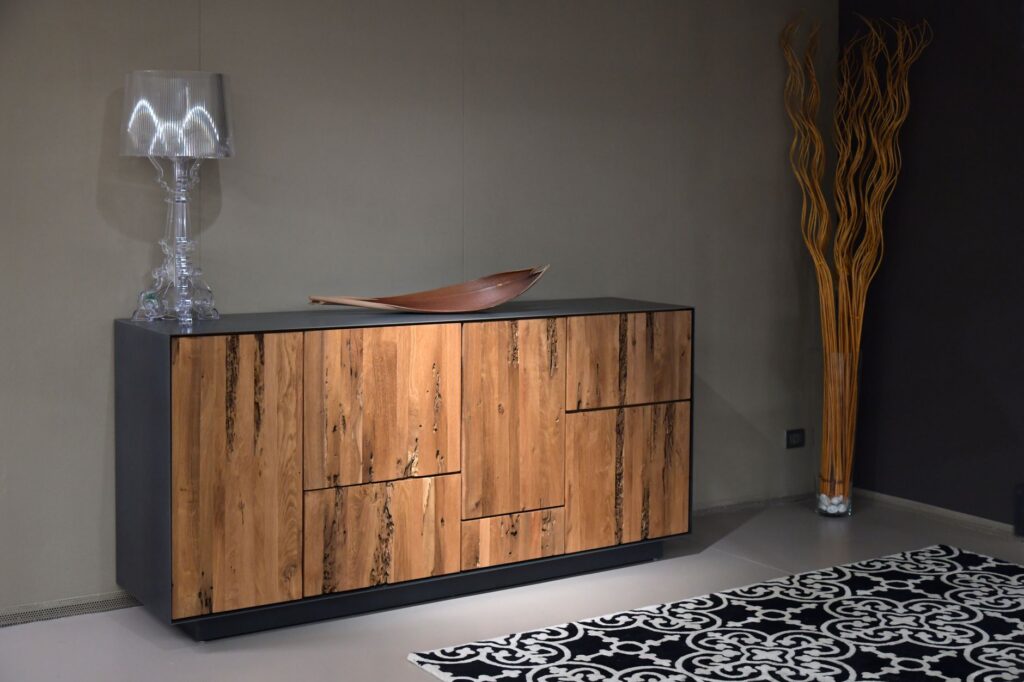
You need more storage in your living room, but a bulky bookcase feels too heavy and floating shelves aren’t cutting it. A credenza might be exactly what you’re looking for—it’s that low-profile cabinet that gives you tons of hidden storage while creating a beautiful surface for lamps, plants, and the things you actually want to […]
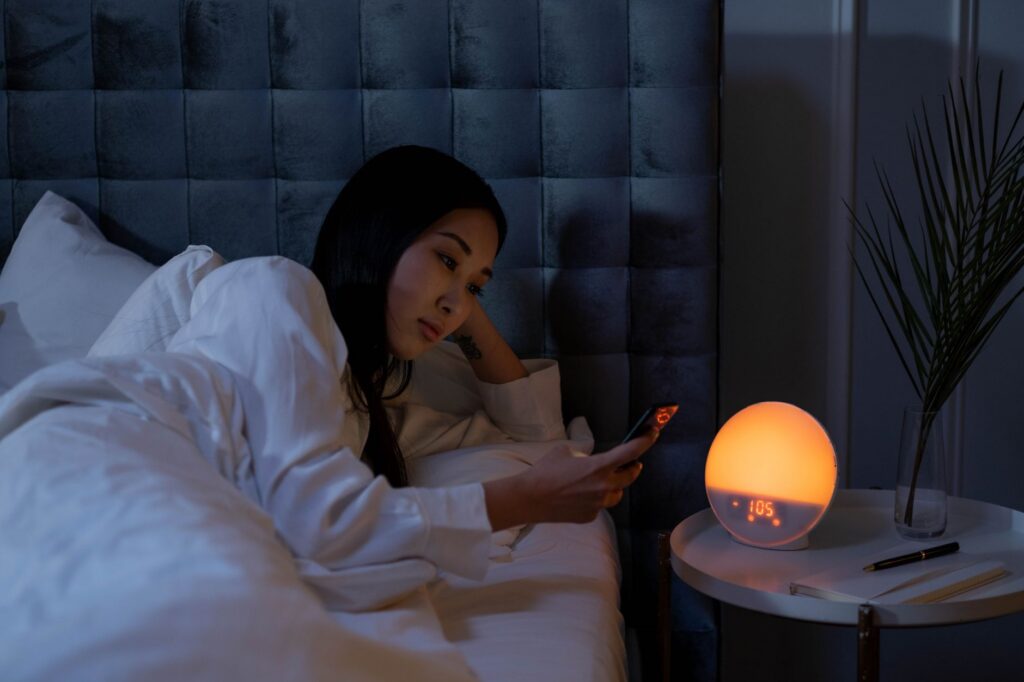
If you’ve been hitting snooze repeatedly or dragging yourself out of bed feeling groggy, you’re not alone. Waking up to a jarring alarm in a dark room works against your body’s natural rhythms, especially during winter months. A sunrise alarm clock mimics natural dawn, gradually filling your room with light to ease you awake. But […]
Waking up at 3 a.m. with a sweaty neck and flipping your pillow to the cool side for the fourth time isn’t just annoying—it’s robbing you of quality sleep. If you’re a hot sleeper, your pillow might be trapping heat against your head and neck all night long. The good news? The right cooling pillow […]