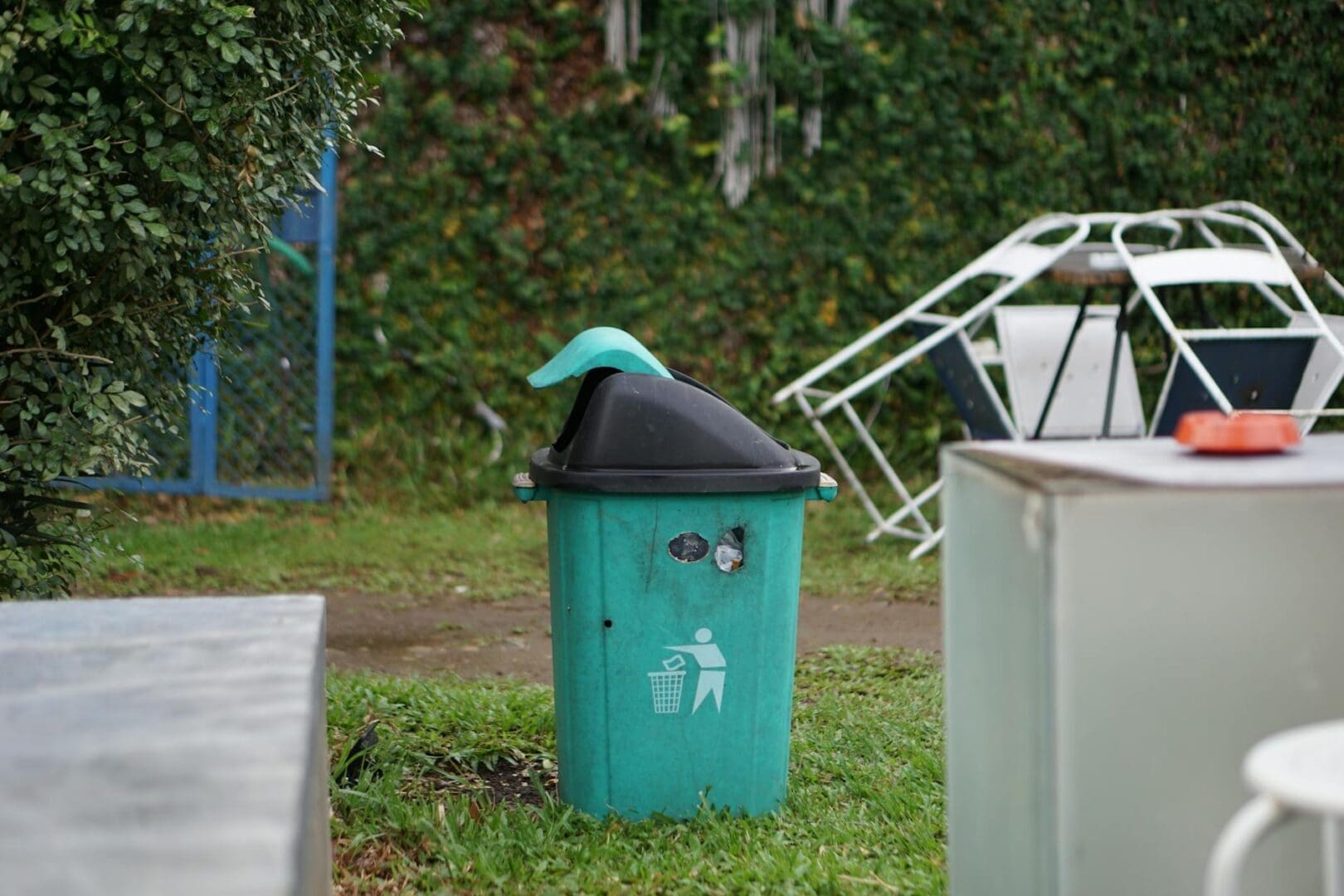
Let’s be honest—a trash can isn’t the most glamorous purchase you’ll make for your kitchen. But choose the wrong one, and you’ll be dealing with daily annoyances: a lid that won’t stay open when your hands are full, a can that’s too small and overflows constantly, or one that’s so bulky it blocks a cabinet door. The right kitchen trash can should fade into the background while making your life easier. Here’s how to find one that actually works for your space and habits.
Size and Capacity: Match Your Household’s Reality
The biggest mistake people make is buying a trash can that’s too small, thinking they’ll just take the garbage out more often. Spoiler: you won’t. A family of four typically needs at least a 13-gallon can, while couples or individuals can often get by with 10-12 gallons. If you cook frequently or have kids, consider going larger—16 to 20 gallons.
Don’t forget about footprint versus capacity. Tall, narrow cans take up less floor space than wide, squat ones with the same volume. Measure your intended spot carefully, accounting for the lid opening radius if you’re choosing a swing-top or step-on model. That “perfect” corner spot might not work if the lid bangs into your cabinets every time you open it.
Lid Styles: How You’ll Actually Use It
This is where personal habits matter most. Step-on pedal cans are incredibly popular because they’re hands-free and keep odors contained. They work beautifully if you have the floor space and don’t mind the mechanical parts that can eventually break. Expect to pay $50-$80 for a decent step-on can, though premium stainless models run $100-$200.
Touchless sensor lids sound amazing until you realize they need batteries or charging, and sensors can misfire (or fail to fire when you need them). They’re worth considering if you frequently handle raw meat or have mobility issues that make foot pedals difficult. Budget $80-$150 for reliable sensor models.
Swing-top and flip-top lids are simpler and cheaper ($30-$60), but they require a free hand and don’t seal odors as well. Open-top cans are the most affordable option ($15-$40) and work fine if you take trash out daily and don’t deal with smelly waste. Some people use these for recycling rather than trash.
Materials That Last (and Look Good)
Stainless steel is the kitchen workhorse—it resists stains, doesn’t absorb odors, and looks clean even after years of use. Fingerprint-resistant finishes are worth seeking out. Plastic cans cost less ($20-$50 versus $60-$200 for stainless) but can crack, stain, and hold onto smells over time. That said, a heavy-duty plastic can in a hidden spot like under the sink works perfectly fine and saves money for other kitchen priorities.
If your can will be visible, treat it like any other design element. Matte black or brushed metals blend with modern kitchens, while white or cream suits traditional spaces. Some manufacturers offer colored cans that can either complement or completely clash with your kitchen—proceed thoughtfully.
Features That Actually Add Value
A removable inner bucket makes taking out trash and cleaning infinitely easier—this is non-negotiable in my book. Bag retention systems (rings, holes, or pockets that hold the bag in place) prevent that annoying bag slip-down situation. Some cans have slow-close lids that won’t slam and wake sleeping babies or startle pets.
For serious odor control, look for cans with charcoal filters built into the lid or compartments for odor-absorbing products. Dual-compartment cans let you separate trash and recycling in one footprint, though they’re bulkier and each side holds less than you’d expect.
If you’re tight on space, consider under-sink pull-out systems or slim cans designed to fit in narrow gaps between appliances. These specialty solutions typically run $60-$120 but make use of otherwise wasted space.
Your ideal kitchen trash can balances size, convenience, durability, and budget. Think about your daily routine—how you cook, how often you take out trash, and what drives you crazy about your current setup. A well-chosen can should last 5-10 years, so it’s worth spending a bit more for features that genuinely make your life easier. Whether you need a workhorse 16-gallon step-on can or a sleek slim model for a compact kitchen, getting the fundamentals right means one less thing to think about in your daily routine.
If you’re shopping for an air purifier, you’ve probably noticed two main technologies dominating the market: ionic purifiers and HEPA filters. Both promise cleaner air, but they work in completely different ways—and when it comes to safety, one has a clear advantage. Let’s break down what you actually need to know to make the right […]
You know you want cleaner air at home, but standing in front of air purifier options can feel overwhelming. Should you invest in a whole house system that integrates with your HVAC, or stick with portable units you can move from room to room? The answer depends on your home’s layout, your budget, and how […]
Did You Know? The Declaration of Independence Was Likely Written in a Windsor Chair As America celebrates 250 years of independence, it’s worth looking at one of the quieter witnesses to that history: the humble Windsor chair. Thomas Jefferson is said to have drafted the Declaration of Independence while seated in an unusual revolving Windsor […]