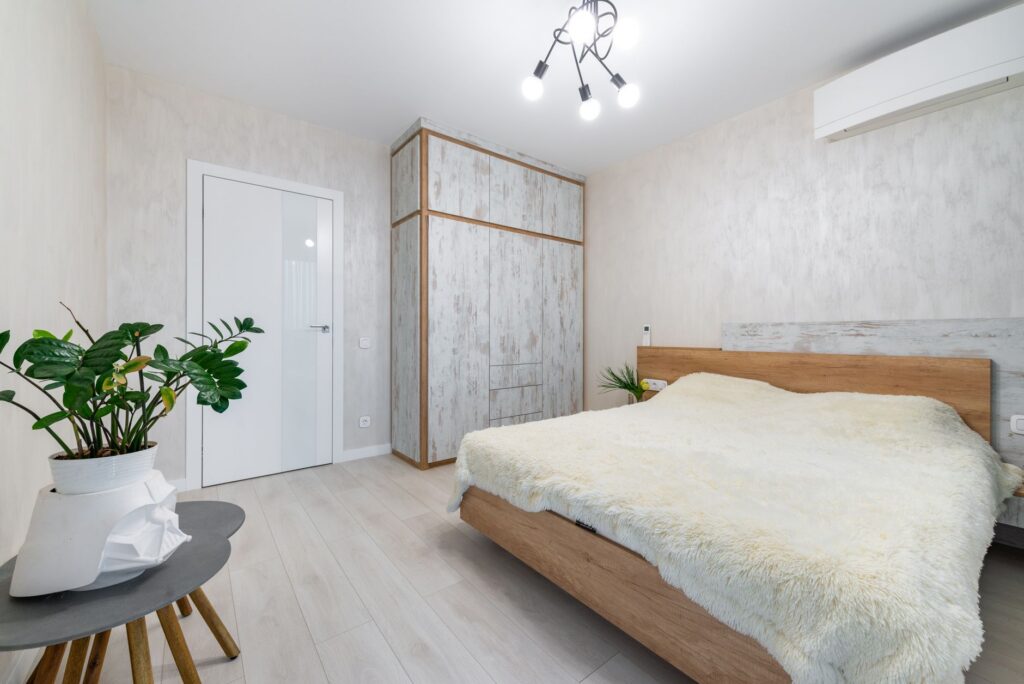
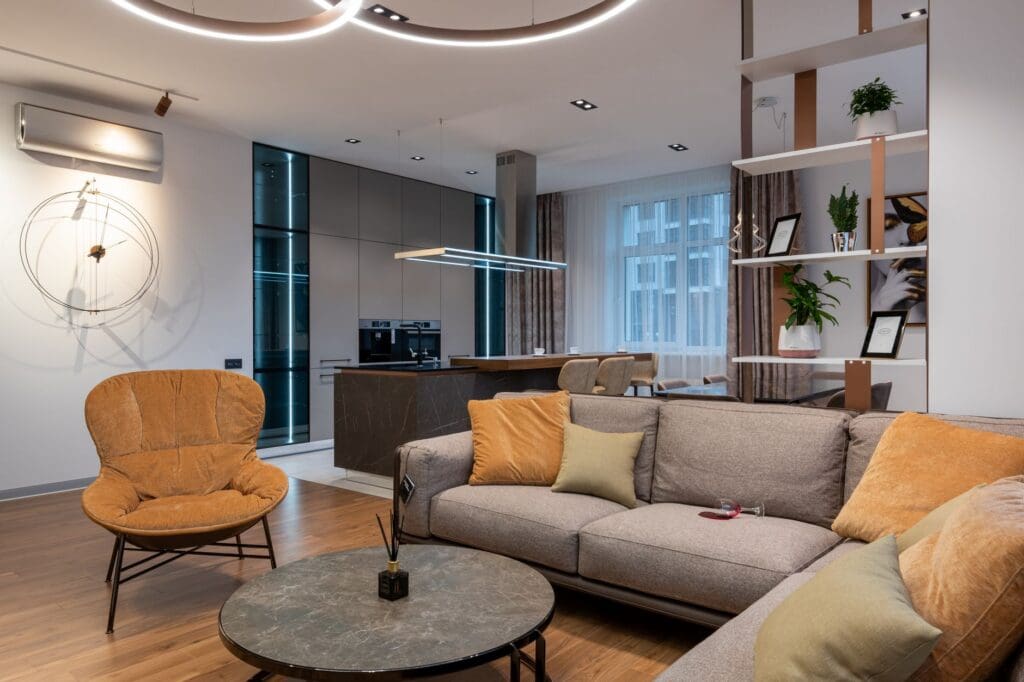
If you’ve got a spacious living room, open-concept great room, or large bedroom, finding an air purifier that actually works for the whole space can feel tricky. Too small, and you’re basically running a fancy fan that’s not doing much. Too powerful, and you might be overpaying for features you don’t need. Here’s how to find the right match for your large room.
Understanding Room Size and Coverage Area
The most important number on any air purifier spec sheet is the coverage area, usually measured in square feet. For large rooms—think 300 to 600+ square feet—you’ll want a unit rated for at least your room’s square footage, but ideally 20-30% more. This ensures the purifier can handle the space even when it’s not running at full blast.
Look for the CADR rating (Clean Air Delivery Rate) too. This tells you how quickly the unit moves clean air through the room. For large spaces, aim for a CADR of at least 250-300 for smoke, dust, and pollen. Higher is better if you’re dealing with open floor plans or high ceilings that add to your room’s air volume.
Most budget units ($100-200) max out around 200-300 square feet. Mid-range options ($250-500) typically handle 400-600 square feet comfortably. Premium models ($500+) can tackle 800+ square feet and often include smart features worth considering.
Filter Types and What Actually Matters
HEPA filters are the gold standard—they capture 99.97% of particles down to 0.3 microns. For large rooms, you want a True HEPA filter, not a “HEPA-type” or “HEPA-like” filter, which are marketing terms for less effective alternatives.
Many large-room purifiers combine multiple filter stages: a pre-filter for large particles like pet hair, the HEPA filter for allergens and fine dust, and an activated carbon filter for odors and VOCs. If you’re dealing with cooking smells, pet odors, or live near traffic, that carbon layer becomes essential.
Replacement costs matter more than you’d think. HEPA filters typically need replacing every 6-12 months and can run $40-80 each for large-capacity units. Some brands offer washable pre-filters that extend the life of your main filter—a nice budget-saver over time.
Noise Levels and Placement Considerations
Large-room purifiers move a lot of air, which can mean noise. Check the decibel ratings at different fan speeds. Anything under 50 dB on medium speed is reasonable for living spaces. For bedrooms, you’ll want a unit that drops to 30-40 dB on low or sleep mode.
Placement affects performance dramatically. Your purifier needs space around it—at least 12-18 inches on all sides for proper airflow. In large rooms, central placement works best, but that’s not always practical. Corner placement is fine if the unit has 360-degree intake or you can angle it toward the room’s center.
Consider units with caster wheels or handles if you plan to move yours between rooms. Some of these large-capacity purifiers weigh 20-30 pounds, and lugging them around gets old fast.
Smart Features Worth Paying For
Auto mode with built-in air quality sensors adjusts fan speed based on actual air quality, saving energy and reducing noise when the air is already clean. This feature is especially useful in large spaces where conditions vary throughout the day.
Wi-Fi connectivity and app control let you monitor air quality remotely and set schedules. It’s nice to have, but not essential unless you want detailed data or voice control integration.
Timer functions and filter replacement indicators are standard on most mid-range and up models. These basic smart features make daily use more convenient without adding much to the price.
When you’re ready to shop, measure your room, think about your specific concerns (allergies, pets, odors), and set a realistic budget that includes those ongoing filter costs. A purifier that’s properly sized for your space and fits your lifestyle will actually get used—and that’s what makes the difference in your home’s air quality.
If you’re shopping for an air purifier, you’ve probably noticed two main technologies dominating the market: ionic purifiers and HEPA filters. Both promise cleaner air, but they work in completely different ways—and when it comes to safety, one has a clear advantage. Let’s break down what you actually need to know to make the right […]
You know you want cleaner air at home, but standing in front of air purifier options can feel overwhelming. Should you invest in a whole house system that integrates with your HVAC, or stick with portable units you can move from room to room? The answer depends on your home’s layout, your budget, and how […]
Did You Know? The Declaration of Independence Was Likely Written in a Windsor Chair As America celebrates 250 years of independence, it’s worth looking at one of the quieter witnesses to that history: the humble Windsor chair. Thomas Jefferson is said to have drafted the Declaration of Independence while seated in an unusual revolving Windsor […]