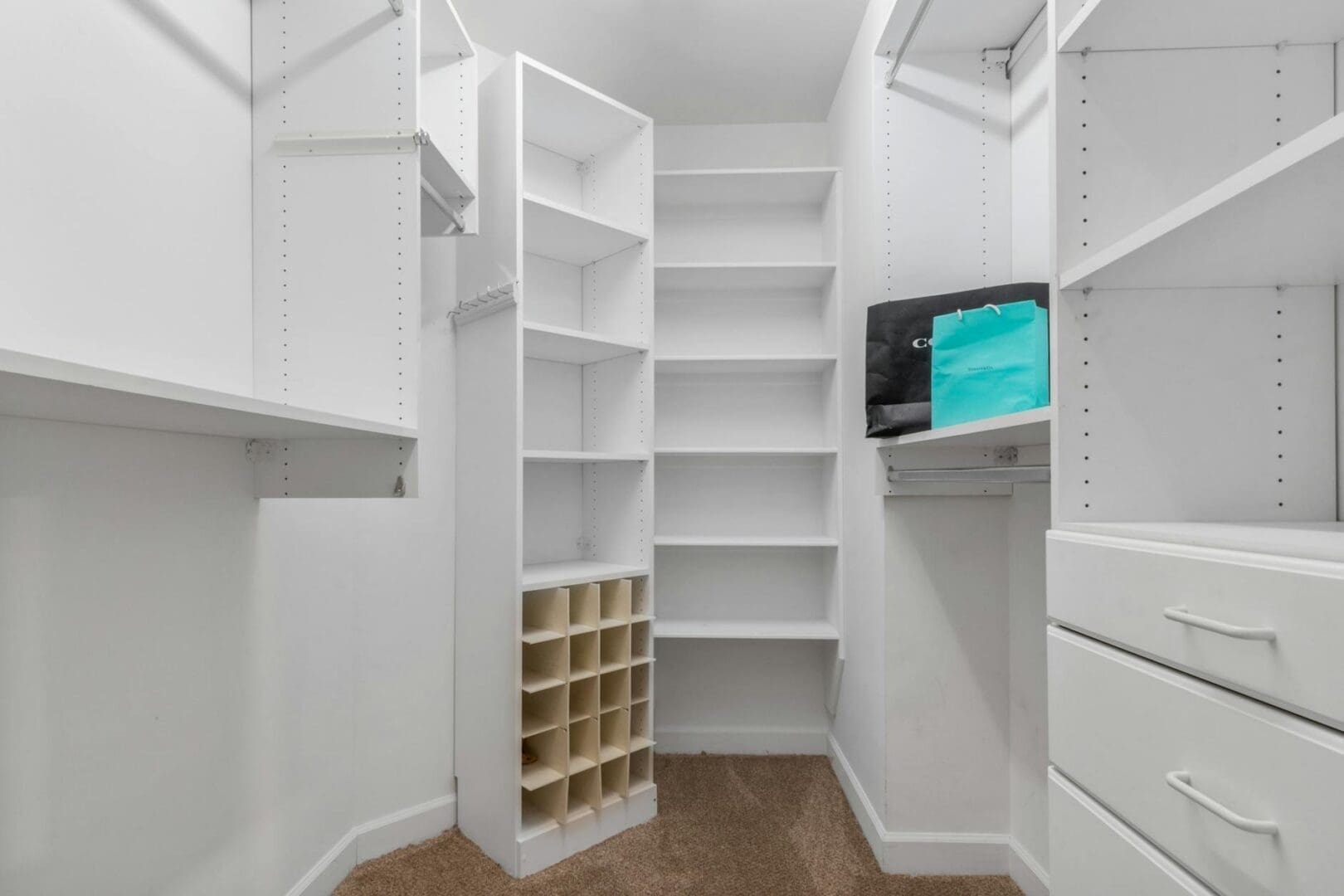
Staring at a closet bursting with clothes you can’t find, shelves that sag under the weight of sweaters, and a single rod that’s doing way too much work? You’re not alone. A well-designed closet organization system can transform that chaotic space into something that actually works with your lifestyle—and it doesn’t require a mansion-sized walk-in to make it happen.
The right system depends on your closet size, what you’re storing, and how much flexibility you want for the future. Here’s what matters most when you’re ready to upgrade.
Types of Closet Organization Systems
Closet systems fall into three main categories, each with different installation requirements and price points.
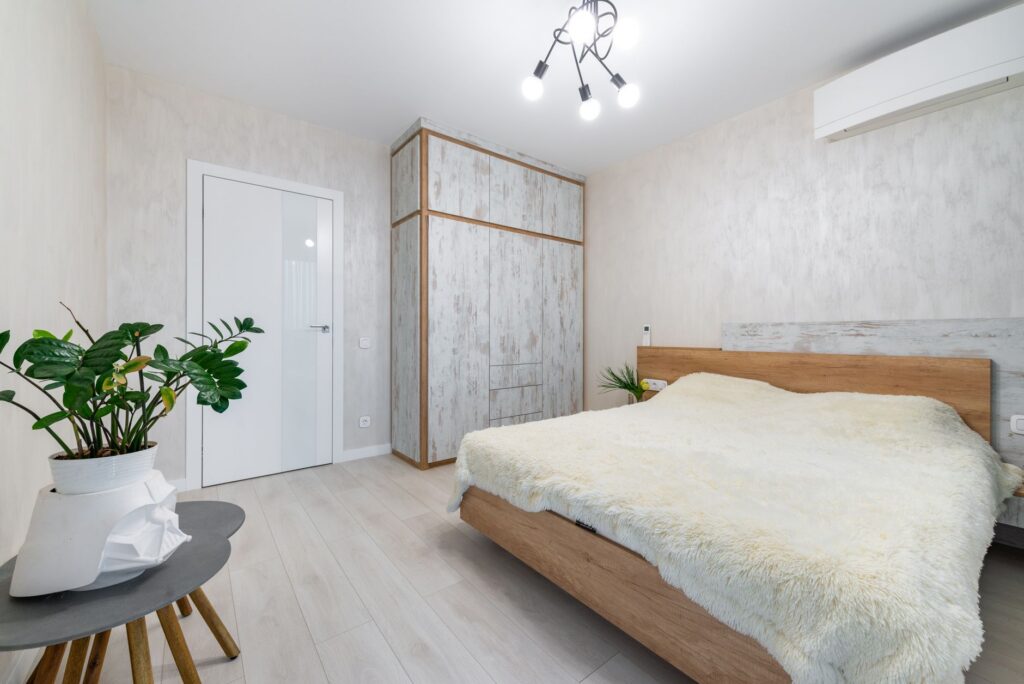
Freestanding wardrobes and armoires are your best bet for rentals or spaces where you can’t mount anything to walls. They range from $200 for basic units to $1,500+ for solid wood pieces with multiple compartments. The trade-off? They take up floor space and can’t be customized to fit odd corners or angles.
Wall-mounted systems use vertical standards (those slotted metal tracks) attached to wall studs, with adjustable shelves, rods, and accessories that hook in. These offer tremendous flexibility since you can reconfigure everything as your needs change. Expect to spend $300-$800 for a typical reach-in closet, or $1,000-$3,000 for a walk-in. Companies like Elfa and ClosetMaid dominate this category.
Custom built-in systems deliver that high-end, furniture-quality look with materials like solid wood, premium laminates, or even leather-wrapped drawers. You’re looking at $2,000-$10,000+ depending on size and finishes. These make sense if you’re staying put and want something that feels permanent and polished.
Materials and Durability
The material you choose determines both longevity and aesthetic, so think about what you’re storing and how much weight your system needs to handle.
Wire shelving ($100-$400 for a full closet) is budget-friendly and allows air circulation, which helps with humidity. But it leaves marks on folded clothes and can’t support very heavy items. It’s fine for linens, shoes, and everyday clothing.
Laminate and melamine ($300-$1,500) offer solid shelving surfaces that won’t dent your sweaters. Quality varies widely—look for at least 5/8-inch thickness to prevent sagging. These systems come in various finishes that can mimic wood or keep things simple with white or gray.
Solid wood and wood veneer ($1,500-$8,000+) bring warmth and durability. Cedar is naturally moth-repellent and aromatic, while maple and birch offer strength. The investment makes sense if you want something that’ll last decades and potentially add value to your home.
Metal systems with powder-coated steel components ($500-$2,000) split the difference—they’re industrial-looking, extremely durable, and can handle serious weight on both shelves and hanging rods.
Configuration and Features
The most expensive system won’t work if it doesn’t match how you actually use your closet.
Start by assessing your wardrobe. Lots of dresses and long coats? You need vertical hanging space. Mostly folded items and shoes? Prioritize shelving and cubbies. Most people benefit from a mix: double-hanging rods for shirts and pants, long hanging for dresses, and shelving for everything else.
Look for these practical features:
Adjustable shelving: Your needs will change, so avoid systems where everything is fixed in place
Soft-close drawers: Worth the upgrade if you’re including drawer units—they’re quieter and last longer
Pull-out accessories: Valet rods, belt racks, and jewelry trays keep small items accessible
Good lighting integration: Some systems include LED strips or can accommodate stick-on lights
Proper rod support: Hanging rods should have support brackets every 3-4 feet to prevent bowing
Measuring and Installation
Here’s where many people stumble. Measure your closet’s width, depth, and height in multiple spots—older homes especially can have walls that aren’t perfectly square. Account for baseboards, light fixtures, and door swing clearance.
Most modular systems are DIY-friendly if you’re comfortable with a drill and level. Plan on 4-8 hours for a standard reach-in closet, longer for walk-ins. Wall-mounted systems require locating studs and mounting the vertical standards securely—this isn’t the time to rely on drywall anchors alone.
Custom built-ins typically include professional installation, which is part of why they cost more. If you’re looking at a complex configuration or don’t have the tools and time, professional installation for modular systems runs $200-$600 depending on your area.
The right closet system should make your daily routine easier, not just look good in photos. Focus on what you’re actually storing, choose materials that’ll hold up to the weight and use, and prioritize adjustability so the system can adapt as your needs change. Whether you go with a $300 starter system or invest in custom built-ins, a well-organized closet pays dividends every single morning when getting dressed actually feels effortless.
If you’re shopping for an air purifier, you’ve probably noticed two main technologies dominating the market: ionic purifiers and HEPA filters. Both promise cleaner air, but they work in completely different ways—and when it comes to safety, one has a clear advantage. Let’s break down what you actually need to know to make the right […]
You know you want cleaner air at home, but standing in front of air purifier options can feel overwhelming. Should you invest in a whole house system that integrates with your HVAC, or stick with portable units you can move from room to room? The answer depends on your home’s layout, your budget, and how […]
Did You Know? The Declaration of Independence Was Likely Written in a Windsor Chair As America celebrates 250 years of independence, it’s worth looking at one of the quieter witnesses to that history: the humble Windsor chair. Thomas Jefferson is said to have drafted the Declaration of Independence while seated in an unusual revolving Windsor […]