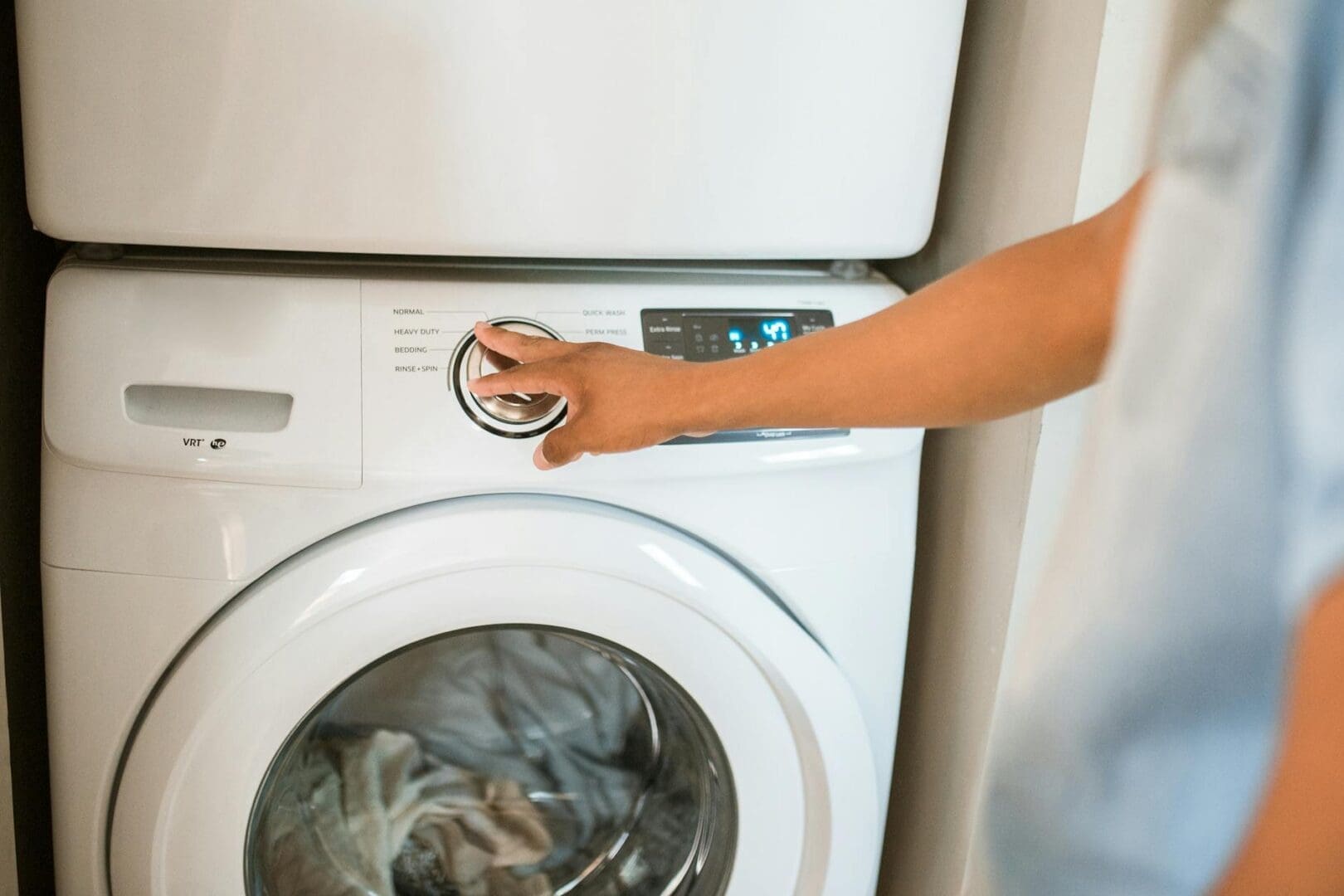
Standing in the appliance section trying to decide between a top load and front load washer can feel overwhelming. Both get your clothes clean, but they work differently and suit different households. Let’s break down what actually matters so you can pick the right one for your laundry room and lifestyle.
How You’ll Use It: Loading Style and Ergonomics
The loading difference goes beyond just opening a door on top versus the front. With a top loader, you can toss in that forgotten sock mid-cycle (on most models), and you never have to bend down to load or unload. If you have back or knee issues, this is a genuine advantage. You’ll stand comfortably and drop clothes straight down into the drum.
Front loaders require bending or kneeling unless you install them on pedestals, which add $150 to $300 to your setup. But here’s what they offer in return: you can stack a dryer on top to save floor space, and that front-loading drum is gentler on fabrics because clothes tumble through water rather than agitate against a center post. If you wash a lot of delicates or want your clothes to last longer, front loaders have the edge.
Capacity, Cleaning Power, and Efficiency
Front load washers typically handle larger loads—often 4.5 to 5.5 cubic feet compared to 4.0 to 4.8 cubic feet for top loaders. That extra capacity means fewer loads per week for big families or anyone washing bulky comforters.
They’re also more water and energy efficient. A front loader uses roughly 13 gallons per load versus 19-23 gallons for a traditional top loader (high-efficiency top loaders fall somewhere in between at about 14-16 gallons). Over a year, that difference shows up on your utility bills. Expect to save $40-70 annually with a front loader, and they spin faster, extracting more water so clothes dry quicker.
Top loaders clean faster, though. Most cycles finish in 30-50 minutes, while front loaders take 60-90 minutes because they tumble more gently and use less water. If you’re doing last-minute laundry before work, speed matters.
Maintenance and Long-Term Considerations
Front loaders have a reputation for developing mildew and odors if you’re not careful about leaving the door ajar between loads and wiping down the rubber gasket. It’s not a dealbreaker, but it requires a habit. Run a cleaning cycle monthly and you’ll be fine.
Top loaders—especially traditional models with agitators—have fewer maintenance quirks. No door gasket to worry about, and water drains away more easily. High-efficiency top loaders with impellers (instead of agitators) sometimes struggle with tangled clothes and require low-sudsing HE detergent, just like front loaders.
Repairs typically cost less for top loaders because they have simpler mechanics. Front loaders have more sensors and complex door-locking systems that can fail.
What You’ll Actually Pay
Budget top loaders with agitators start around $450-600 and get the job done without frills. Mid-range high-efficiency top loaders run $700-900, offering better efficiency without the full commitment of a front loader.
Front loaders start around $700-800 for basic models and climb to $1,200-1,800 for feature-rich options with steam cleaning, Wi-Fi connectivity, and extra-large drums. Remember to factor in pedestals if you want them—your back will thank you, but your wallet will notice.
The higher upfront cost of front loaders gets partially offset by lower utility bills over their 10-14 year lifespan, especially if you do lots of laundry or have high water costs in your area.
Making Your Decision
Choose a top loader if you want faster cycles, easier access without bending, simpler maintenance, and a lower purchase price. They’re ideal for busy families who need quick turnaround and anyone who can’t easily bend down repeatedly.
Go with a front loader if you’re short on floor space (hello, stackable setup), wash large or delicate loads regularly, want maximum efficiency, and don’t mind adding a few minutes to your laundry routine. The water and energy savings add up, especially if you’re keeping this washer for a decade.
Neither choice is wrong—it’s about matching the machine to your space, budget, and how you actually live. Think about your daily routine, measure your laundry area, and pick the one that solves your specific problems rather than chasing the “best” option that doesn’t fit your life.
There’s nothing quite like settling in for movie night at home, but harsh overhead lighting can ruin the whole experience. Too bright, and you’re squinting at a washed-out screen. Too dark, and you’re fumbling for the remote or straining your eyes. Getting your living room lighting right for movie watching isn’t complicated—it just takes the […]
You probably reach for your phone to change the temperature, lock your doors, or check who’s at the front door—so why are you still walking across the room to flip light switches? Smart lighting transforms your living room from a space with basic on-off switches into one that adapts to movie nights, dinner parties, reading […]
A chandelier can transform your living room from ordinary to unforgettable, but choosing the wrong size or style can throw off your entire space. Unlike task lighting that quietly does its job, a chandelier makes a statement—which means getting it right matters. Whether you’re working with vaulted ceilings or a cozy 10×12 room, here’s how […]