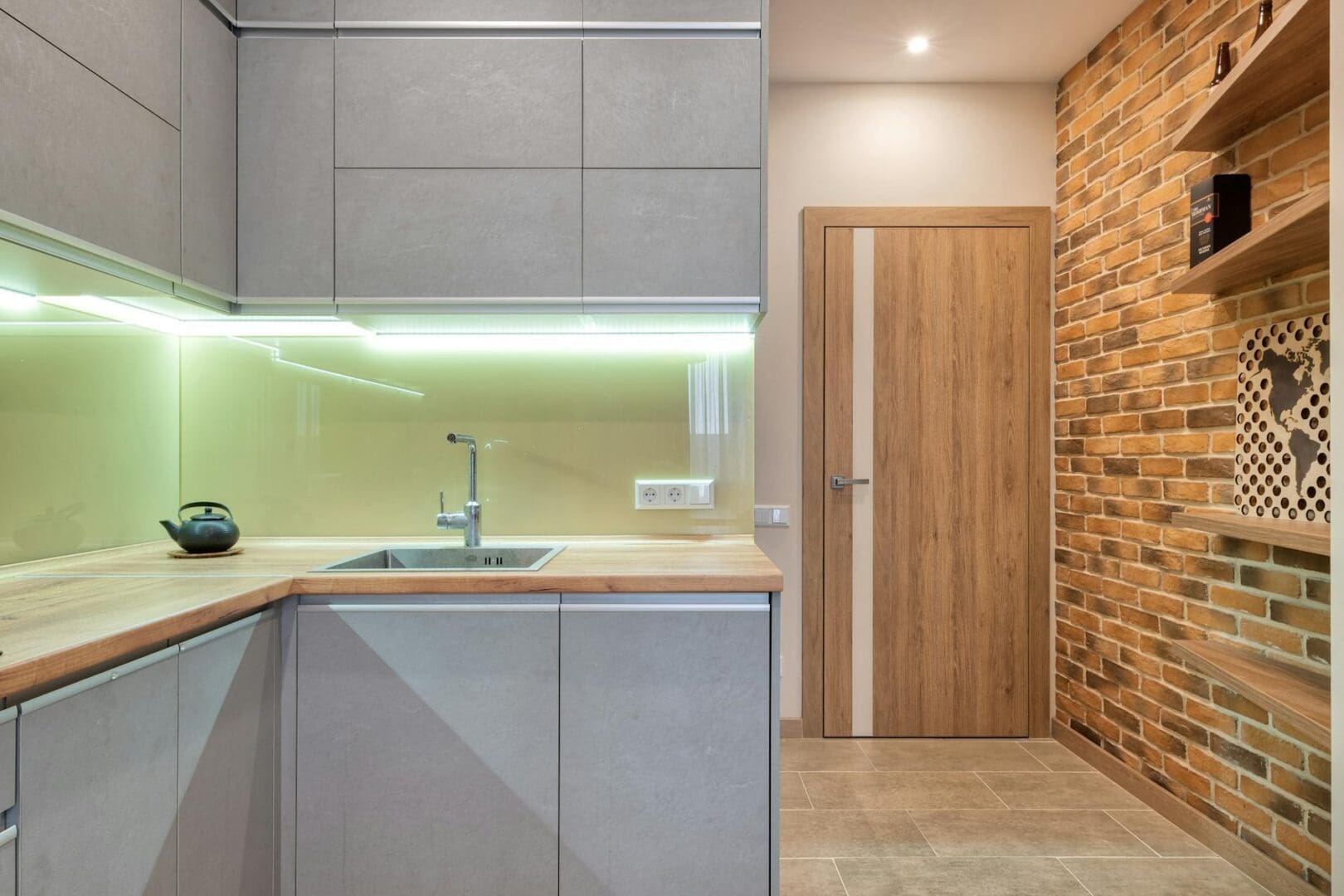
Open the cabinet under your kitchen or bathroom sink, and you’re likely greeted by an avalanche of spray bottles, half-empty sponge packages, and mystery cleaners you forgot you owned. That dark, awkward space with plumbing pipes running through it seems designed to defeat any organizational attempt. But with the right storage pieces and a simple system, you can transform this frustrating cabinet into a tidy, functional cleaning station.
h2>Assess Your Space and Supplies First
Before buying any organizers, take everything out and measure your cabinet’s interior dimensions. Pay special attention to where those pipes run—they’ll dictate what storage solutions will actually fit. Most under-sink cabinets are 24 to 30 inches wide, but that center pipe can eat up 6 to 8 inches of usable space.
While everything’s out, purge ruthlessly. Toss dried-up products, consolidate duplicates, and recycle bottles you haven’t touched in six months. Most households only need 5 to 8 core cleaning products for regular maintenance. This step alone might solve half your storage problem.
Choose Storage Solutions That Work Around Plumbing
The key to under-sink organization is working with the pipes, not against them. U-shaped shelving units and tiered organizers are specifically designed to wrap around plumbing while maximizing vertical space. Look for adjustable shelves that let you customize the height—these typically run $15 to $35 and instantly double your usable space.
Sliding drawer organizers are another game-changer, especially for deeper cabinets. These pull-out units ($25 to $60) bring everything forward so you’re not digging blindly in the back. If you’re working with a smaller budget, stackable bins with handles ($8 to $15 each) offer similar functionality and make it easy to pull out what you need.
For the cabinet door itself, over-the-door organizers or adhesive hooks can hold spray bottles, gloves, and cleaning cloths. Just make sure the organizer doesn’t interfere with the door closing completely—a common frustration with thicker storage racks.
Create Zones for Different Supply Categories
Group your cleaning supplies by purpose or room. Keep all kitchen-specific cleaners together, bathroom products in another section, and general-purpose items in a third zone. This grouping makes it faster to grab what you need and helps you avoid buying duplicates.
Use clear bins or baskets to contain smaller items like sponges, scrub brushes, and dishwasher pods. Label each container if you share the space with family members who might not follow your system intuitively. Lazy Susans ($12 to $25) work beautifully for corralling bottles and making everything accessible with a simple spin—particularly useful in corner cabinets.
Store your most-used items at eye level or toward the front. Daily dishwashing supplies and all-purpose cleaner should be immediately accessible, while specialty products you use monthly can live in the back or on higher shelves.
Protect Your Cabinet and Prevent Future Messes
Under-sink areas are prone to moisture, drips, and the occasional plumbing leak. Line the cabinet floor with a plastic mat, waterproof liner, or even peel-and-stick vinyl tiles ($10 to $30). This protects your cabinet from water damage and makes cleanup significantly easier when bottles leak or spills happen.
Consider tension rods installed vertically to hold spray bottles by their triggers, or horizontally near the top to hang cleaning cloths and gloves. These cost just a few dollars but add surprisingly functional storage to dead space.
Small bins with drainage holes or mesh bottoms prevent damp sponges and brushes from creating mildew situations. And if you’re storing anything potentially hazardous, childproof cabinet locks are essential—they’re inexpensive and easy to install.
The right combination of organizers turns that jumbled under-sink cabinet into a space that actually works for you. Start with one or two key pieces—maybe a tiered shelf and a couple of bins—and build from there based on your specific supplies and habits. You’ll save time, reduce frustration, and finally be able to find that wood polish when you actually need it.
Did You Know? The Declaration of Independence Was Likely Written in a Windsor Chair As America celebrates 250 years of independence, it’s worth looking at one of the quieter witnesses to that history: the humble Windsor chair. Thomas Jefferson is said to have drafted the Declaration of Independence while seated in an unusual revolving Windsor […]
Most people think of the 1970s as the era of shag carpeting, earth tones, and bean bag chairs. And they’re not wrong. But beneath the avocado green and harvest gold was something much bigger — the beginning of the greatest era in American furniture manufacturing history. A Perfect Storm for Furniture The golden age of […]
If you’re eyeing a storage bed to finally corral the clutter in your bedroom, you’re probably wondering: how much stuff can these actually hold? It’s a fair question, especially since storage beds typically cost $200-$800 more than their non-storage counterparts. Let’s break down exactly what you’re getting for that investment, so you can decide if […]