If you’ve invested in beautiful hardwood floors, you know they need special care. The wrong vacuum can scatter debris, leave scratches, or simply push dust around instead of picking it up. The right one makes weekly cleaning effortless and keeps your floors looking gorgeous for years. Here’s what to look for when shopping for a vacuum that’s actually designed with hardwood in mind.
Brush Roll Design Makes All the Difference
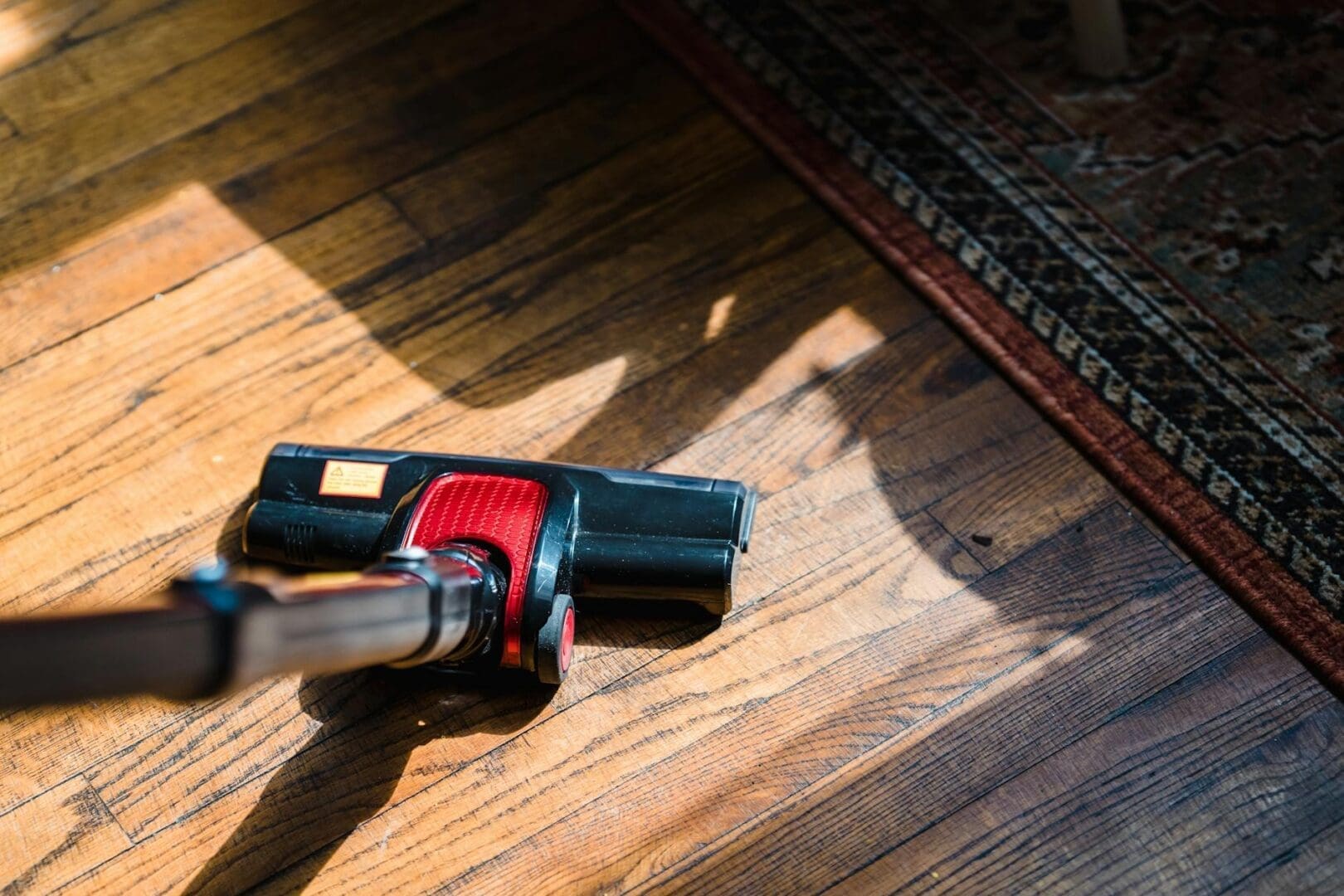
This is the single most important feature to get right. Traditional vacuum brush rolls—those spinning bristles designed for carpet—can actually damage hardwood by flinging around small rocks and debris that scratch the finish. Look for vacuums with either a brush roll on/off switch or soft roller designs specifically made for hard floors.
Uprights with manual brush roll control give you flexibility if you have both carpeted and hardwood areas. Canister vacuums often come with dedicated hardwood floor attachments featuring soft bristles or felt pads. Stick vacuums increasingly feature soft roller heads that create a seal for better suction while being gentle on wood.
Budget models ($80-150) typically have basic on/off switches for the brush roll. Mid-range options ($200-400) often include automatic floor detection that adjusts brush roll speed. Premium models ($500+) feature advanced soft rollers with optimized designs for grabbing fine dust particles without scattering.
Suction Power and Filtration Quality
Without carpet fibers to trap dust, hardwood floors reveal every speck. You need strong, consistent suction to pull up fine particles, pet hair, and kitchen debris in one pass. But raw power isn’t everything—the vacuum also needs excellent filtration to avoid blowing dust back into your air.
Look for vacuums with sealed systems and HEPA filtration if anyone in your home has allergies. This is especially important for hardwood homes, where dust is more visible and airborne. Bagged vacuums generally offer better filtration than bagless models, though they come with ongoing costs. Bagless models work fine if they have multi-stage filtration and you’re diligent about cleaning filters monthly.
Pay attention to how the vacuum handles larger debris like cereal or kitty litter. Some models with great suction still struggle with bigger particles on bare floors, pushing them around rather than picking them up. Customer reviews are invaluable here—look specifically for comments from hardwood floor owners.
Weight, Maneuverability, and Storage
Hardwood floors are smooth, which means your vacuum should glide easily. Ironically, some heavy uprights designed for deep carpet cleaning feel clunky and hard to push on bare floors. Lighter stick vacuums (usually 5-10 pounds) offer incredible maneuverability and are perfect for quick daily cleanups.
Consider your home’s layout. Multiple hardwood floors across different levels? A lightweight stick vacuum or compact canister makes more sense than lugging a 15-pound upright up and down stairs. Lots of furniture and tight corners? Look for swivel steering and low-profile heads that slide under sofas and beds.
Storage matters too. Cordless stick vacuums mount to the wall and take up minimal space—ideal for smaller homes. Traditional uprights and canisters need closet space. If you’re tight on storage, measure before you buy.
Corded vs. Cordless Considerations
Cordless stick vacuums have become incredibly popular for hardwood floors, and for good reason. They’re lightweight, convenient for quick cleanups, and eliminate the hassle of cord management. Modern lithium-ion batteries provide 30-60 minutes of runtime, enough for most homes.
However, corded models still have advantages. They offer unlimited runtime and consistent suction power—no fade as the battery drains. They’re also typically less expensive upfront. For larger homes (over 2,000 square feet of hardwood), a corded vacuum ensures you can finish the whole house in one session.
If you go cordless, look for models with removable batteries (so you can buy a spare) and check the battery replacement cost. Some brands charge $100+ for replacement batteries, which can make a $300 vacuum much more expensive long-term.
Choosing the right vacuum for your hardwood floors comes down to matching features to your specific needs. Prioritize gentle brush roll design and strong suction, then consider your home’s size, layout, and your cleaning habits. Whether you spend $150 or $600, buying a vacuum designed for hard floors will make cleaning easier and protect your investment in those beautiful hardwood surfaces.
Did You Know? The Declaration of Independence Was Likely Written in a Windsor Chair As America celebrates 250 years of independence, it’s worth looking at one of the quieter witnesses to that history: the humble Windsor chair. Thomas Jefferson is said to have drafted the Declaration of Independence while seated in an unusual revolving Windsor […]
Most people think of the 1970s as the era of shag carpeting, earth tones, and bean bag chairs. And they’re not wrong. But beneath the avocado green and harvest gold was something much bigger — the beginning of the greatest era in American furniture manufacturing history. A Perfect Storm for Furniture The golden age of […]
If you’re eyeing a storage bed to finally corral the clutter in your bedroom, you’re probably wondering: how much stuff can these actually hold? It’s a fair question, especially since storage beds typically cost $200-$800 more than their non-storage counterparts. Let’s break down exactly what you’re getting for that investment, so you can decide if […]