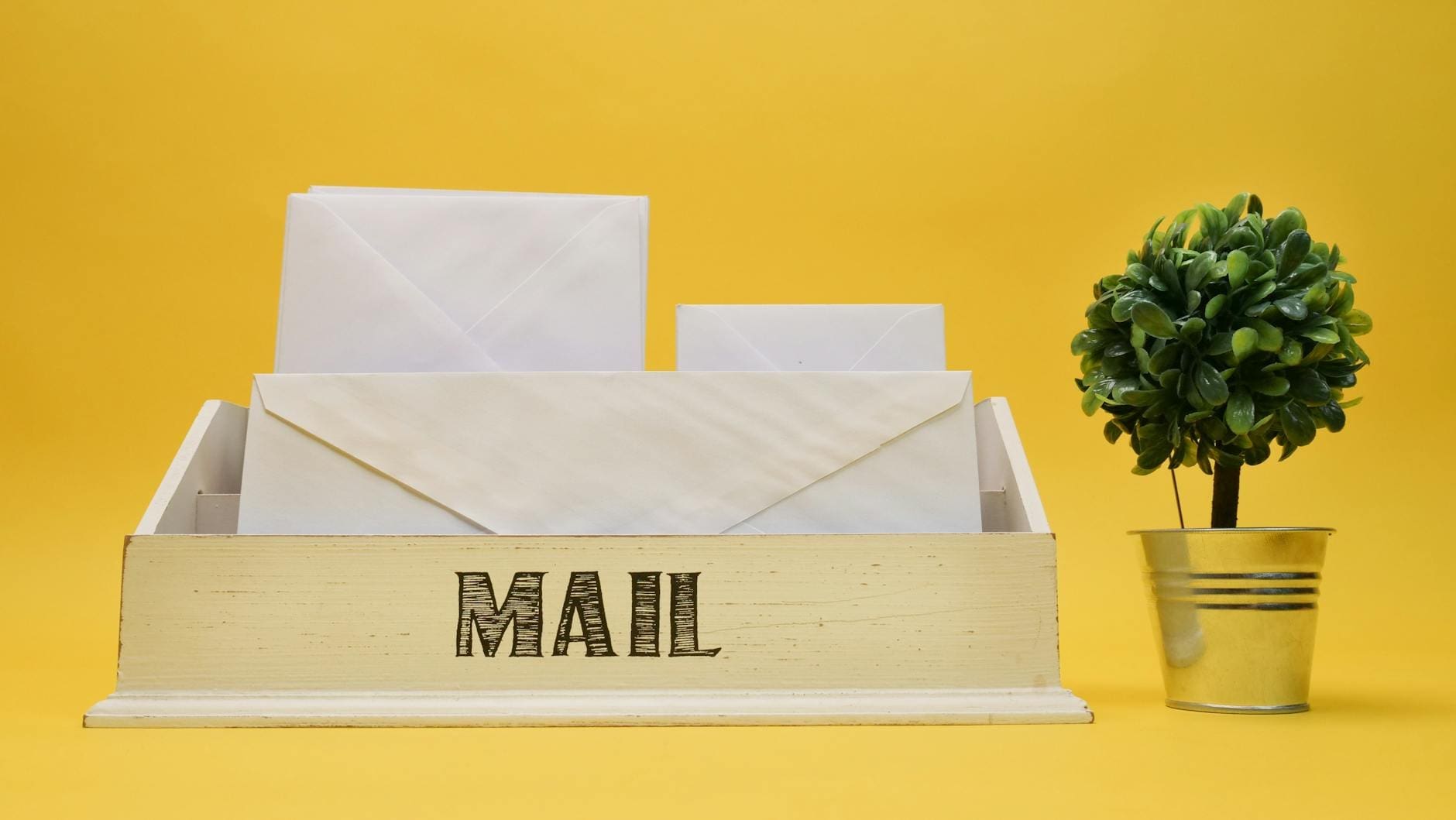
If your kitchen counter has become a dumping ground for unopened mail, school permission slips, and random receipts, you’re not alone. The daily influx of paper can quickly turn into visual clutter that makes your whole home feel disorganized. A good mail and bill organizer puts everything in its place and helps you stay on top of what needs attention.
Size and Capacity: Match It to Your Mail Volume
The right organizer size depends entirely on your household’s paper flow. A single person in an apartment might need just a simple wall-mounted slot, while a family of five juggling school papers, bills, and catalogs needs something more substantial.
Wall-mounted organizers typically measure 12-18 inches wide and work well if you’re tight on space. They usually feature 2-4 slots or pockets and can handle basic daily mail. Desktop organizers range from compact 6-inch models with a few compartments to expansive 24-inch command centers with multiple tiers, file slots, and even drawer space underneath.
Take inventory for a week: how much mail actually comes in daily? If you’re constantly overflowing a small organizer, you’ll end up back where you started. Look for models with at least one slot per household member, plus extras for categories like “to file,” “to pay,” and “to read.”
Mounting Style: Where Will It Live?
Where you place your organizer matters just as much as the organizer itself. The best location is where mail naturally lands when you walk in the door—usually near your main entrance, in a mudroom, or on a kitchen counter.
Wall-mounted organizers keep surfaces clear and work beautifully in narrow entryways where floor space is precious. They typically install with screws or heavy-duty adhesive strips. Just make sure you’re mounting into a stud if you’re planning to load it up with catalogs and magazines.
Freestanding desktop organizers offer flexibility since you can move them around, but they do require counter or table space. These range from simple tiered letter trays (budget options around $15-30) to elaborate wooden command centers with key hooks and charging stations (splurge territory at $80-150). Countertop models work especially well if you have a designated homework station or home office area where papers naturally accumulate.
Material and Style: Make It Match Your Space
An organizer you actually like looking at is an organizer you’ll actually use. The material affects both durability and aesthetics.
Wire mesh organizers in black or white offer an industrial-modern vibe and excellent visibility—you can see at a glance what’s inside. They typically run $20-45 and work well in contemporary or minimalist spaces. Wood organizers bring warmth and traditional appeal, with options ranging from light oak to rich walnut. These usually fall in the $40-100 range and complement farmhouse, traditional, or transitional decor.
Woven materials like rattan or water hyacinth add texture and casual elegance, perfect for coastal or boho interiors. Acrylic organizers provide a sleek, almost invisible look that works anywhere without competing visually with your decor—ideal if you want function without making a statement.
Consider what’s already in the room. A rustic wood organizer might look out of place in an ultra-modern kitchen, while a chrome wire rack could clash with your vintage farmhouse entryway.
Features Worth Considering
Basic mail sorters do their job, but a few extra features can dramatically improve functionality. Key hooks are incredibly useful—having a designated spot for keys right where you sort mail prevents those frantic morning searches. Many mid-range organizers ($40-70) include 3-5 hooks.
A small shelf or tray on top provides space for sunglasses, wallets, or your phone. Some designs incorporate a chalkboard or dry-erase board for notes and reminders. If you’ve got kids, look for models with multiple labeled slots so everyone knows exactly where their papers belong.
For homes that have fully embraced digital billing, you might need less space for traditional mail and more for the occasional package slip or takeout menu. In that case, a compact organizer with just 2-3 slots plus extra hooks and shelving might serve you better than a traditional multi-slot sorter.
The right mail organizer isn’t about finding the fanciest option—it’s about choosing something that fits your actual space, holds your actual volume of mail, and looks good enough that you’ll want to keep using it. Measure your available space, think honestly about how much paper comes through your door, and pick something that matches both your decor and your organizational style. Once it’s in place, you’ll wonder how you ever functioned with that counter chaos.
There’s nothing quite like settling in for movie night at home, but harsh overhead lighting can ruin the whole experience. Too bright, and you’re squinting at a washed-out screen. Too dark, and you’re fumbling for the remote or straining your eyes. Getting your living room lighting right for movie watching isn’t complicated—it just takes the […]
You probably reach for your phone to change the temperature, lock your doors, or check who’s at the front door—so why are you still walking across the room to flip light switches? Smart lighting transforms your living room from a space with basic on-off switches into one that adapts to movie nights, dinner parties, reading […]
A chandelier can transform your living room from ordinary to unforgettable, but choosing the wrong size or style can throw off your entire space. Unlike task lighting that quietly does its job, a chandelier makes a statement—which means getting it right matters. Whether you’re working with vaulted ceilings or a cozy 10×12 room, here’s how […]