You’ve decided to light up your landscape, but now you’re staring at two very different options: low voltage systems that need wiring, or solar lights that just stake into the ground. Both promise to transform your outdoor space, but they work completely differently—and choosing the wrong one means either underwhelming results or a system that doesn’t fit your lifestyle.
Let’s break down what actually matters when you’re making this decision, so you can pick the lighting that works for your specific yard and budget.
How Each System Actually Works
Low voltage lighting runs on a transformer that steps down your home’s 120-volt electricity to a safer 12 volts. You’ll connect fixtures with buried cable to this transformer, which plugs into an outdoor outlet. Most systems include timers or smart controls, giving you complete control over when your lights turn on and off.
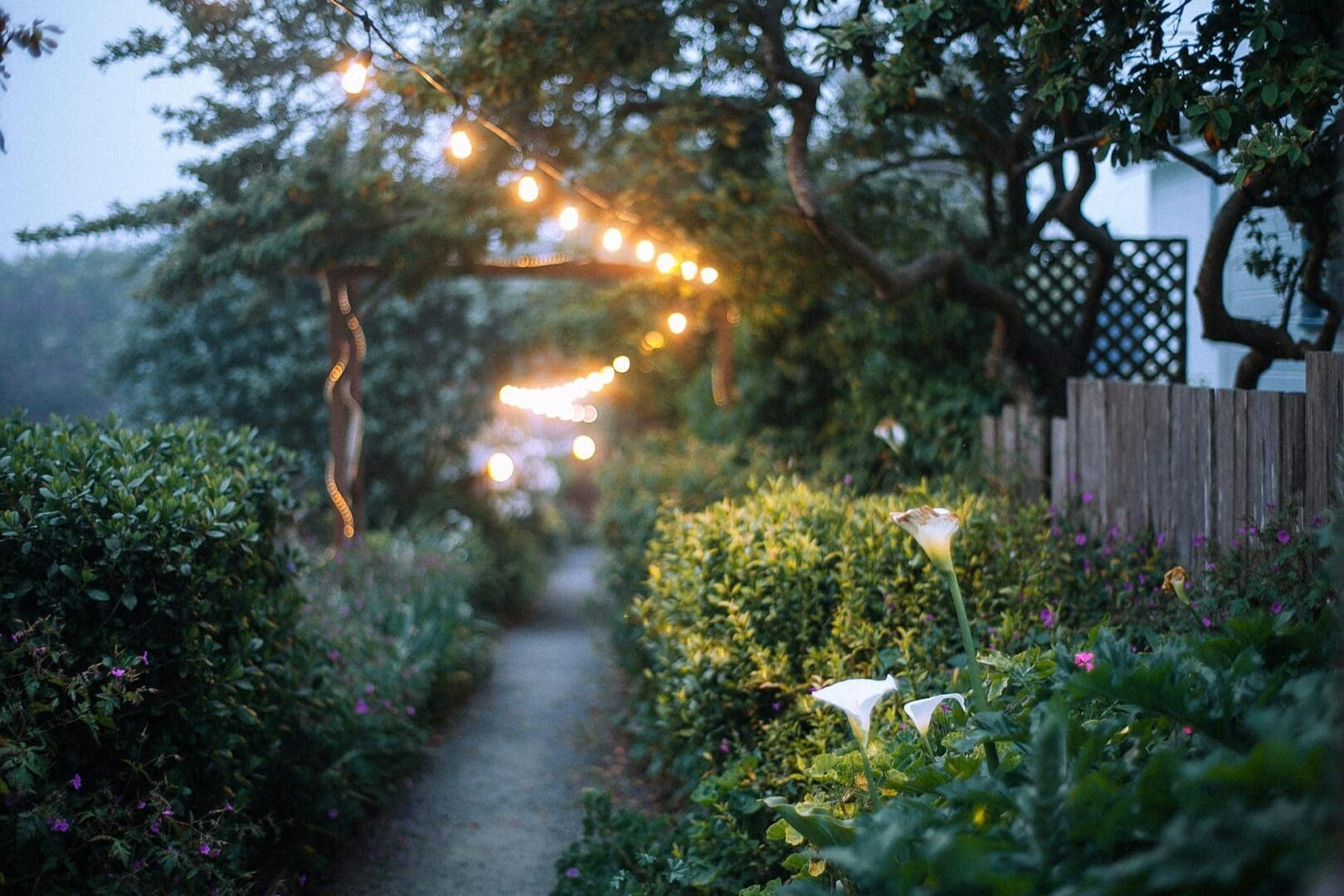
Solar landscape lighting is self-contained—each fixture has its own small solar panel that charges a battery during the day, then automatically illuminates at dusk. There’s no wiring, no transformer, and no connection to your home’s electrical system. The fixtures simply stake into the ground wherever you want them.
This fundamental difference affects everything else: installation complexity, ongoing costs, brightness levels, and how reliably your lights will perform year-round.
Brightness and Performance Considerations
Here’s where low voltage systems shine—literally. They deliver consistent, powerful illumination night after night, regardless of weather. You’ll get 200-300 lumens from most path lights, and spotlights can exceed 600 lumens for dramatic uplighting on trees or architectural features. The light quality stays constant from dusk until you turn them off.
Solar lights have improved significantly, but they’re still working with what the sun gave them that day. Budget solar path lights typically produce 5-15 lumens, while higher-quality models reach 50-100 lumens. If you experience several cloudy days, expect dimmer output and shorter runtime. They’re perfectly adequate for gentle path marking or subtle accent lighting, but they won’t give you the brightness for security purposes or bold landscape features.
Expect to pay $15-40 per fixture for decent solar lights, $30-80 for low voltage fixtures, plus $100-300 for a quality transformer and wiring supplies.
Installation and Maintenance Reality Check
Solar lighting wins on installation simplicity. Most homeowners can place a dozen solar path lights in under an hour—just stake them into the soil where you want light. No tools required, no permits, and you can easily move them if you change your mind.
Low voltage installation requires more commitment. You’ll need to dig shallow trenches for the cable, connect fixtures properly to avoid voltage drop, and mount the transformer near an outdoor outlet. It’s definitely a weekend project rather than a quick afternoon task, though it’s still manageable for confident DIYers. Hiring a landscaper or electrician adds $500-1,500 depending on system size.
For maintenance, solar fixtures need their panels wiped clean periodically and batteries replaced every 2-3 years (usually $5-15 per fixture). Low voltage systems require virtually no maintenance beyond the occasional bulb replacement, and LED bulbs last 15-25 years in most cases.
Making the Right Choice for Your Situation
Choose low voltage lighting if you want professional-quality illumination that works reliably every night, you’re willing to invest in proper installation, and you’re lighting high-visibility areas like your front walkway, patio, or architectural features you’re proud of. It’s the better long-term investment for areas where lighting quality really matters.
Go with solar if you’re lighting secondary paths, adding ambiance to garden beds, or working with rental property where you can’t modify electrical systems. Solar also makes sense for remote areas of large properties where running electrical lines would be prohibitively expensive. Just buy the best solar fixtures you can afford—the $8 bargain lights will disappoint you within months.
Many homeowners actually use both: low voltage for primary areas where consistent brightness matters, and solar for supplemental garden lighting or seasonal decorative touches. There’s no rule that says you must choose just one system for your entire property. Think about where you actually need reliable, bright light versus where a softer glow creates the ambiance you’re after, and let that guide your decision.
There’s nothing quite like settling in for movie night at home, but harsh overhead lighting can ruin the whole experience. Too bright, and you’re squinting at a washed-out screen. Too dark, and you’re fumbling for the remote or straining your eyes. Getting your living room lighting right for movie watching isn’t complicated—it just takes the […]
You probably reach for your phone to change the temperature, lock your doors, or check who’s at the front door—so why are you still walking across the room to flip light switches? Smart lighting transforms your living room from a space with basic on-off switches into one that adapts to movie nights, dinner parties, reading […]
A chandelier can transform your living room from ordinary to unforgettable, but choosing the wrong size or style can throw off your entire space. Unlike task lighting that quietly does its job, a chandelier makes a statement—which means getting it right matters. Whether you’re working with vaulted ceilings or a cozy 10×12 room, here’s how […]