You’ve narrowed down your coffee table search to two contenders: sleek glass or warm wood. Both have their devoted fans, and for good reason. Glass tables bring an airy, modern feel that makes small spaces look larger, while wood tables offer timeless warmth and durability that only improves with age. The right choice depends on your lifestyle, room size, and what you need this hardworking piece of furniture to do every single day.
Durability and Daily Life Considerations
Let’s talk about real life. If you have young kids, pets, or a habit of putting your feet up while binge-watching your favorite shows, durability matters.
Wood coffee tables are the workhorses of the furniture world. Solid hardwoods like oak, walnut, and maple can handle decades of use. They resist scratches better than you’d think, and minor dings actually add character. Engineered wood options with veneer finishes offer similar looks at lower price points (think $200-$500 versus $600-$1,500 for solid wood), though they won’t hold up quite as long.
Glass tables are tougher than their delicate appearance suggests. Quality tables use tempered glass that’s four times stronger than regular glass. That said, they’re not indestructible. Heavy impacts can chip edges, and if you’re constantly worried about breakage, that mental load counts for something. Glass works beautifully in adult-only homes or formal living rooms that don’t see heavy daily use.
One practical reality: glass shows every fingerprint, water ring, and dust particle. You’ll be wiping it down frequently. Wood needs occasional polishing but hides everyday mess much better.
Space and Visual Impact
This is where glass really shines—literally. A glass coffee table practically disappears, making it perfect for smaller living rooms or spaces that feel cramped. The see-through surface doesn’t block sight lines, so your room feels more open and breathable. This matters especially in apartments or homes with lower ceilings.
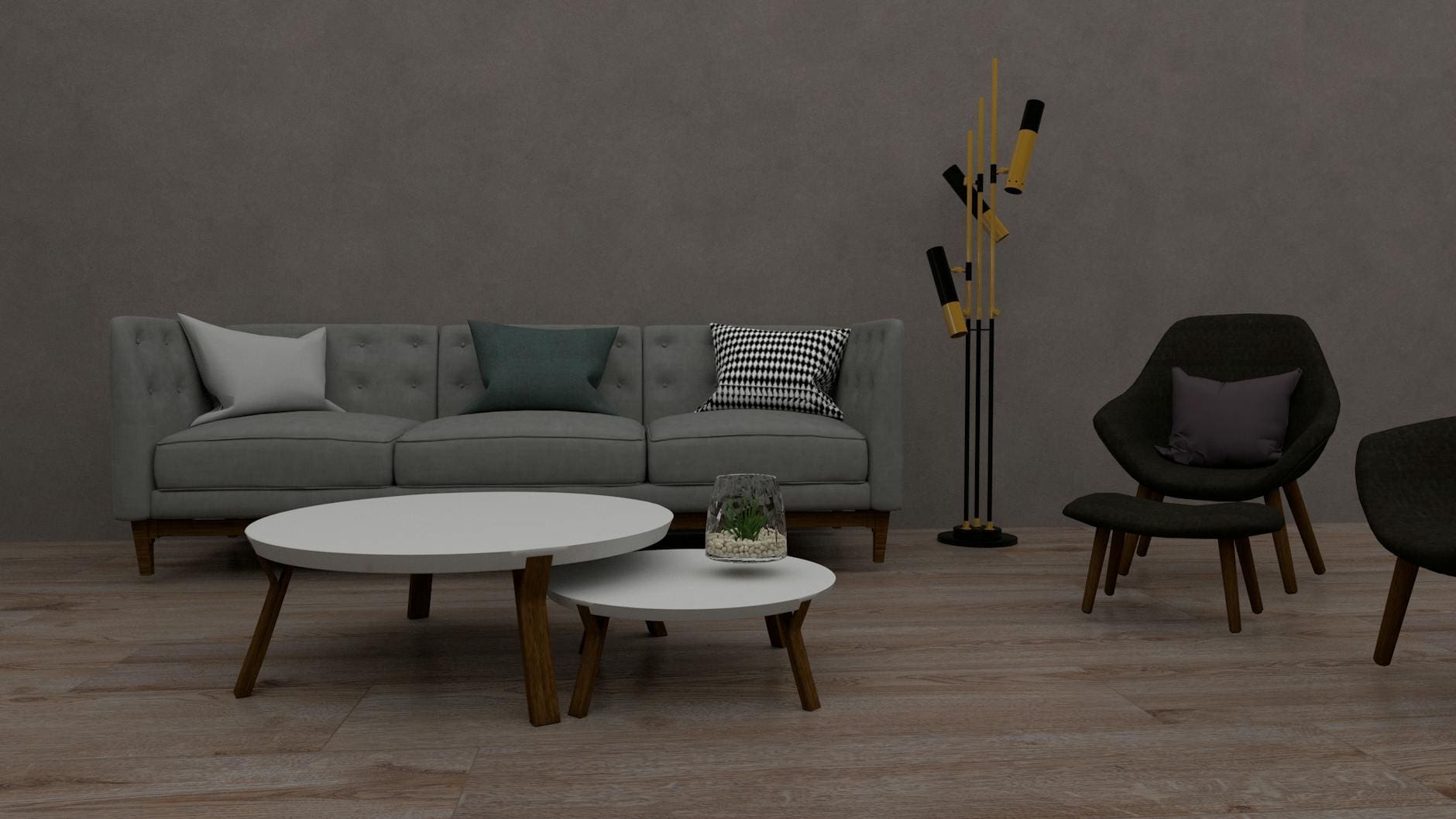
Wood tables, on the other hand, have visual weight. They anchor a room and create a grounding focal point. In a large, open-concept space, that substance is exactly what you need. A substantial wood table (especially in darker finishes like espresso or walnut) adds warmth that prevents a room from feeling cold or sparse.
Consider what’s underneath, too. Glass tables put your floor or rug on full display—great if you love your flooring, less ideal if you don’t. Wood tables let you worry less about what’s beneath them.
Style Flexibility and Longevity
Wood coffee tables are style chameleons. You can find them in:
Rustic farmhouse styles with reclaimed wood and chunky legs
Mid-century modern designs with tapered legs and clean lines
Traditional styles with ornate details and rich finishes
Industrial looks combining wood tops with metal frames
This versatility means a quality wood table can move with you through different homes and design phases. Refinish it, and you’ve got essentially a new piece.
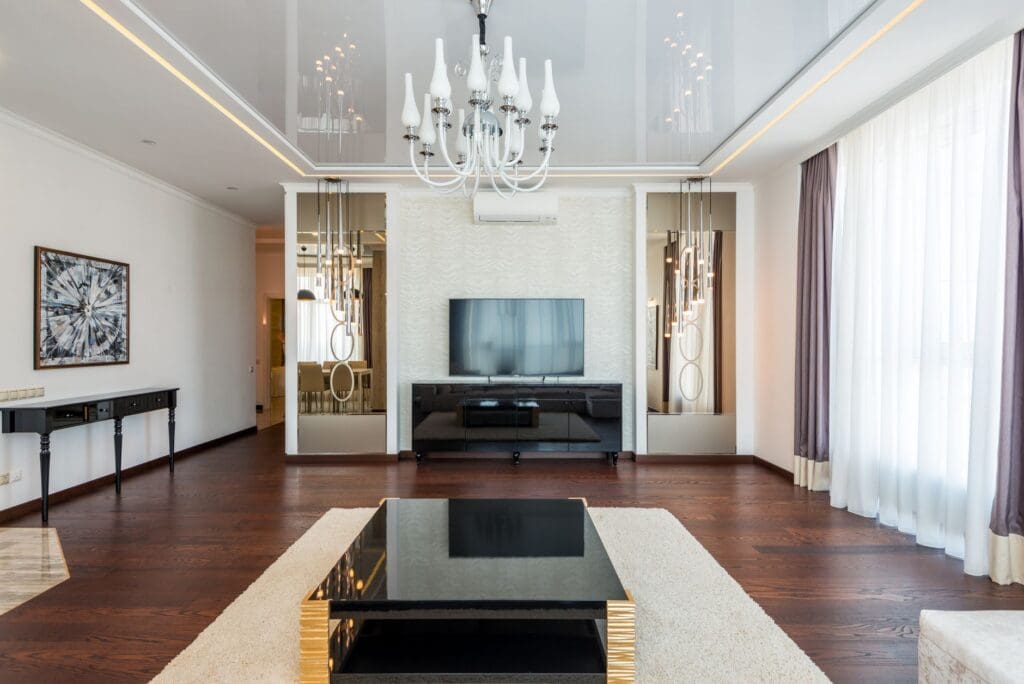
Glass tables lean decidedly contemporary. They pair beautifully with modern, minimalist, and glam aesthetics. Chrome or brass bases can shift the vibe, but there’s no getting around it—glass reads modern. If your style leans traditional or cozy, glass might feel out of place.
Maintenance and Investment
Budget-friendly glass tables start around $150-$300 and can look quite good. Mid-range options ($400-$800) offer sturdier glass and better base construction. Wood tables range more widely: $250-$600 for solid engineered options, $700-$2,000+ for quality hardwood pieces.
Here’s the thing about investment: a well-made wood table can last 20-30 years and still look gorgeous. Glass tables have a shorter realistic lifespan, partly because the modern style may feel dated before the table actually wears out.
Maintenance-wise, wood wins on ease. Dust weekly, polish every few months, and you’re done. Glass demands near-constant attention if you want it looking pristine—daily wiping isn’t unusual in busy households.
Your decision ultimately comes down to your space and lifestyle. Glass makes sense when you need visual lightness, have a modern aesthetic, and don’t mind regular cleaning. Wood is your answer when you want durability, style flexibility, and a piece that can handle whatever family life throws at it. Both can be beautiful—just be honest about which one fits how you actually live.
There’s nothing quite like settling in for movie night at home, but harsh overhead lighting can ruin the whole experience. Too bright, and you’re squinting at a washed-out screen. Too dark, and you’re fumbling for the remote or straining your eyes. Getting your living room lighting right for movie watching isn’t complicated—it just takes the […]
You probably reach for your phone to change the temperature, lock your doors, or check who’s at the front door—so why are you still walking across the room to flip light switches? Smart lighting transforms your living room from a space with basic on-off switches into one that adapts to movie nights, dinner parties, reading […]
A chandelier can transform your living room from ordinary to unforgettable, but choosing the wrong size or style can throw off your entire space. Unlike task lighting that quietly does its job, a chandelier makes a statement—which means getting it right matters. Whether you’re working with vaulted ceilings or a cozy 10×12 room, here’s how […]