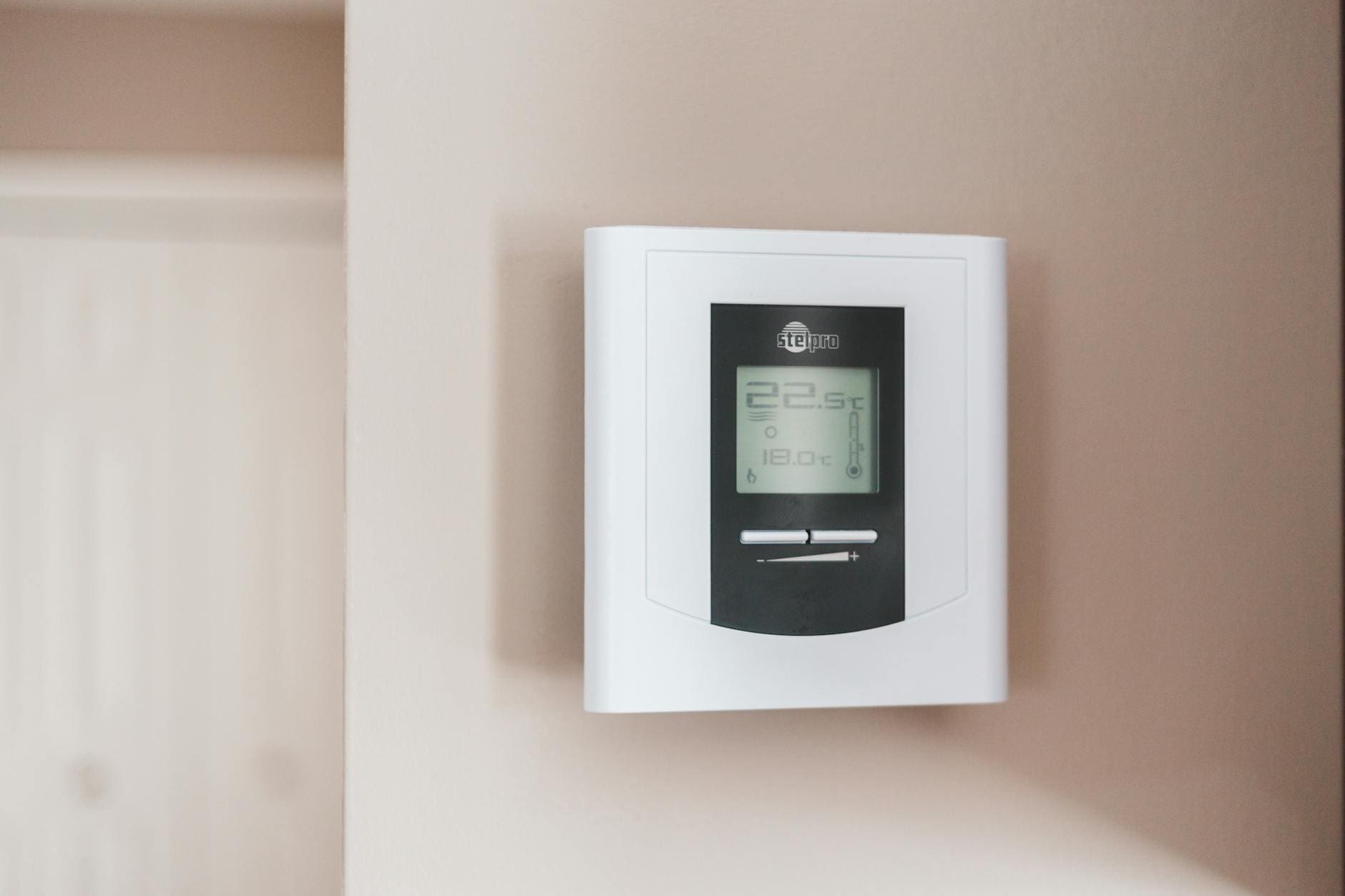
If you’re tired of high energy bills and constantly adjusting your thermostat, a smart model might be the upgrade your home needs. These devices learn your schedule, adjust temperatures automatically, and can be controlled from anywhere with your phone. But with prices ranging from $100 to $300+ and varying compatibility requirements, choosing the right one takes a bit of homework.
Check Your HVAC System Compatibility First
Before you fall in love with any particular model, you need to know what your current heating and cooling system can support. Most smart thermostats work with standard systems that use a C-wire (common wire) for continuous power. If your home has an older system without this wire, you’ll either need to hire an electrician to install one, choose a model that includes a power adapter, or opt for a battery-powered smart thermostat.
Take a photo of your current thermostat’s wiring before shopping. You can usually find compatibility checkers on manufacturer websites where you’ll input your wire configuration. Homes with heat pumps, multi-stage heating, or humidity control need thermostats that specifically support these features. If you have electric baseboard heating or a high-voltage system, you’ll need a specialized smart thermostat designed for those setups, which narrows your options considerably.
Decide Which Smart Features Actually Matter to You
Smart thermostats range from basic programmable models to AI-powered systems that practically run themselves. Learning thermostats automatically adjust to your routine after a week or two of observation, which is ideal if your schedule is consistent. They’ll notice when you typically leave for work and return home, adjusting temperatures to save energy when you’re away.
Geofencing uses your phone’s location to know when you’re approaching home and can pre-heat or pre-cool accordingly. This works great for unpredictable schedules. Remote access via smartphone apps is standard on most models now, but check whether the app offers energy reports and usage history if that data interests you.
Voice control integration matters if you’re already using Alexa, Google Assistant, or Apple HomeKit throughout your home. Room sensors are available with some systems and help balance temperatures across different zones, perfect for homes with rooms that run consistently hotter or colder. Budget models ($100-150) offer basic scheduling and remote control. Mid-range options ($150-220) add learning capabilities and better energy reports. Premium thermostats ($220-300+) include room sensors, advanced scheduling, and the most responsive learning algorithms.
Consider Installation and Your Comfort Level
Many smart thermostats are designed for DIY installation and include step-by-step instructions with color-coded wires. If you’re reasonably handy and your system is straightforward, you can likely handle it in 30-45 minutes. That said, if you’re uncomfortable working with electrical wiring or your system is complex, professional installation adds $100-200 but ensures everything works correctly and safely.
Some manufacturers offer free virtual installation support or video guidance. Others include installation services as an optional add-on at checkout. If you’re renting, check your lease agreement before installing anything that requires removing the existing thermostat. Some smart models are easier to uninstall and restore to original condition than others.
Look at Long-Term Savings and Warranty Coverage
A quality smart thermostat typically pays for itself within two years through reduced energy costs. Most users see 10-23% savings on heating and cooling bills, though your actual savings depend on your climate, home insulation, and previous thermostat habits. Look for Energy Star certified models, which meet efficiency guidelines and may qualify for utility company rebates in your area.
Warranty coverage varies significantly. Budget options might offer one year, while premium models come with 3-5 year warranties. Since these devices control a major home system, longer warranty coverage provides valuable peace of mind. Read reviews specifically about customer service experiences, as you want a manufacturer that stands behind their product if issues arise.
Your ideal smart thermostat balances your system’s requirements, your budget, and the features that match your lifestyle. Start by verifying compatibility with your HVAC system, then prioritize the automation features that will actually benefit your household. Whether you choose a straightforward programmable model or a fully automated learning system, you’re making an upgrade that pays dividends in both comfort and energy savings year after year.
There’s nothing quite like settling in for movie night at home, but harsh overhead lighting can ruin the whole experience. Too bright, and you’re squinting at a washed-out screen. Too dark, and you’re fumbling for the remote or straining your eyes. Getting your living room lighting right for movie watching isn’t complicated—it just takes the […]
You probably reach for your phone to change the temperature, lock your doors, or check who’s at the front door—so why are you still walking across the room to flip light switches? Smart lighting transforms your living room from a space with basic on-off switches into one that adapts to movie nights, dinner parties, reading […]
A chandelier can transform your living room from ordinary to unforgettable, but choosing the wrong size or style can throw off your entire space. Unlike task lighting that quietly does its job, a chandelier makes a statement—which means getting it right matters. Whether you’re working with vaulted ceilings or a cozy 10×12 room, here’s how […]