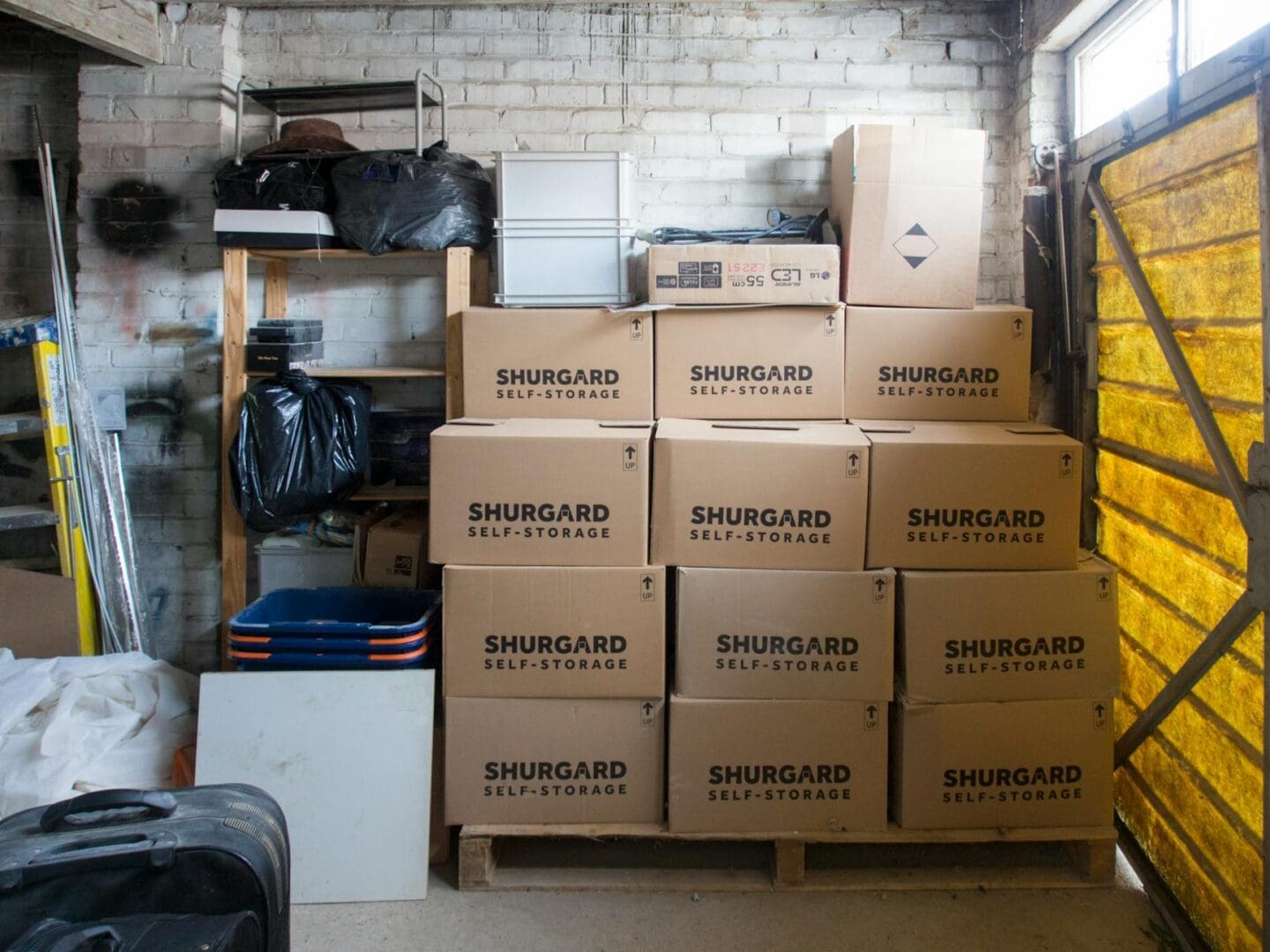
Your garage has become a dumping ground for everything that doesn’t have a home inside, and every time you open the door, you feel a little defeated. The good news? You don’t need to spend a fortune on fancy storage systems to reclaim that space. With some strategic planning and budget-friendly solutions, you can transform your garage into an organized, functional area that actually works for your family.
Start With Zones, Not Products
Before you buy a single storage bin, take an afternoon to sort what you have. Group similar items together—sports equipment, gardening tools, holiday decorations, camping gear—and designate a zone for each category. This simple step prevents you from over-buying storage solutions you don’t actually need.
Once you know what you’re working with, measure your wall space and make note of any awkward corners or areas around the garage door opener. These measurements will guide your shopping and help you maximize every square foot. A garage that’s organized by zone means everyone in the family knows exactly where things go, which is half the battle in keeping clutter at bay.
Wall Storage: Your Best Investment
Getting items off the floor is the fastest way to make your garage feel twice as large. Wall-mounted storage pays for itself in functionality, and you have options at every price point.
Pegboard panels run $15-30 for a 4×8 sheet and offer incredible flexibility—you can rearrange hooks and baskets as your needs change. Heavy-duty shelving units typically cost $60-150 depending on size and weight capacity, and they’re perfect for bins, paint cans, and bulk items. Look for adjustable shelves so you can customize spacing for tall or short items.
Slatwall systems sit in the mid-range at $100-200 for a decent setup, offering a cleaner look than pegboard with similar versatility. Track systems with hooks and baskets start around $50 for basic kits. The key is choosing one system and sticking with it rather than creating a hodgepodge of incompatible storage solutions.
Smart Container Choices That Don’t Break the Bank
Clear plastic bins are your workhorse solution, running $5-15 each depending on size. Yes, they’re basic, but there’s a reason professional organizers love them—you can see what’s inside without digging through everything. Stick with stackable bins in just two or three sizes so they nest efficiently when empty and stack neatly when full.
For items you access frequently, open bins and baskets ($8-25) make grabbing what you need effortless. Mount them on walls or shelves at eye level for sports equipment, gardening gloves, or automotive supplies. Large items like sleeping bags and seasonal gear do well in fabric storage bags ($10-20), which compress better than hard containers.
Skip the matching label maker and use a permanent marker instead. Your garage doesn’t need to look like a magazine spread—it just needs to function. Save the pretty labels for inside your home.
Maximize Ceiling and Awkward Spaces
Your ceiling holds untapped potential for items you need but rarely use. Overhead storage racks cost $60-150 and can hold holiday decorations, camping gear, or seasonal items. Just make sure you’re not storing anything too heavy or that you’ll need frequent access to—nobody wants to haul out a ladder every week.
Magnetic strips ($10-20) mounted near your workbench keep small metal tools visible and accessible. Tension rods ($8-15) fitted between studs create instant storage for spray bottles, rolls of tape, or even lightweight sporting equipment. A simple shoe organizer ($12-20) hung on the back of the door corrals everything from work gloves to seed packets to small automotive supplies.
Your garage doesn’t need a complete overhaul to become dramatically more functional. By focusing on vertical storage, choosing versatile containers, and thinking creatively about every available surface, you can create an organized space for a few hundred dollars—sometimes less. Start with one wall or one zone, see what works for your family’s habits, and build from there. The garage you actually want to park in is closer than you think.
There’s nothing quite like settling in for movie night at home, but harsh overhead lighting can ruin the whole experience. Too bright, and you’re squinting at a washed-out screen. Too dark, and you’re fumbling for the remote or straining your eyes. Getting your living room lighting right for movie watching isn’t complicated—it just takes the […]
You probably reach for your phone to change the temperature, lock your doors, or check who’s at the front door—so why are you still walking across the room to flip light switches? Smart lighting transforms your living room from a space with basic on-off switches into one that adapts to movie nights, dinner parties, reading […]
A chandelier can transform your living room from ordinary to unforgettable, but choosing the wrong size or style can throw off your entire space. Unlike task lighting that quietly does its job, a chandelier makes a statement—which means getting it right matters. Whether you’re working with vaulted ceilings or a cozy 10×12 room, here’s how […]