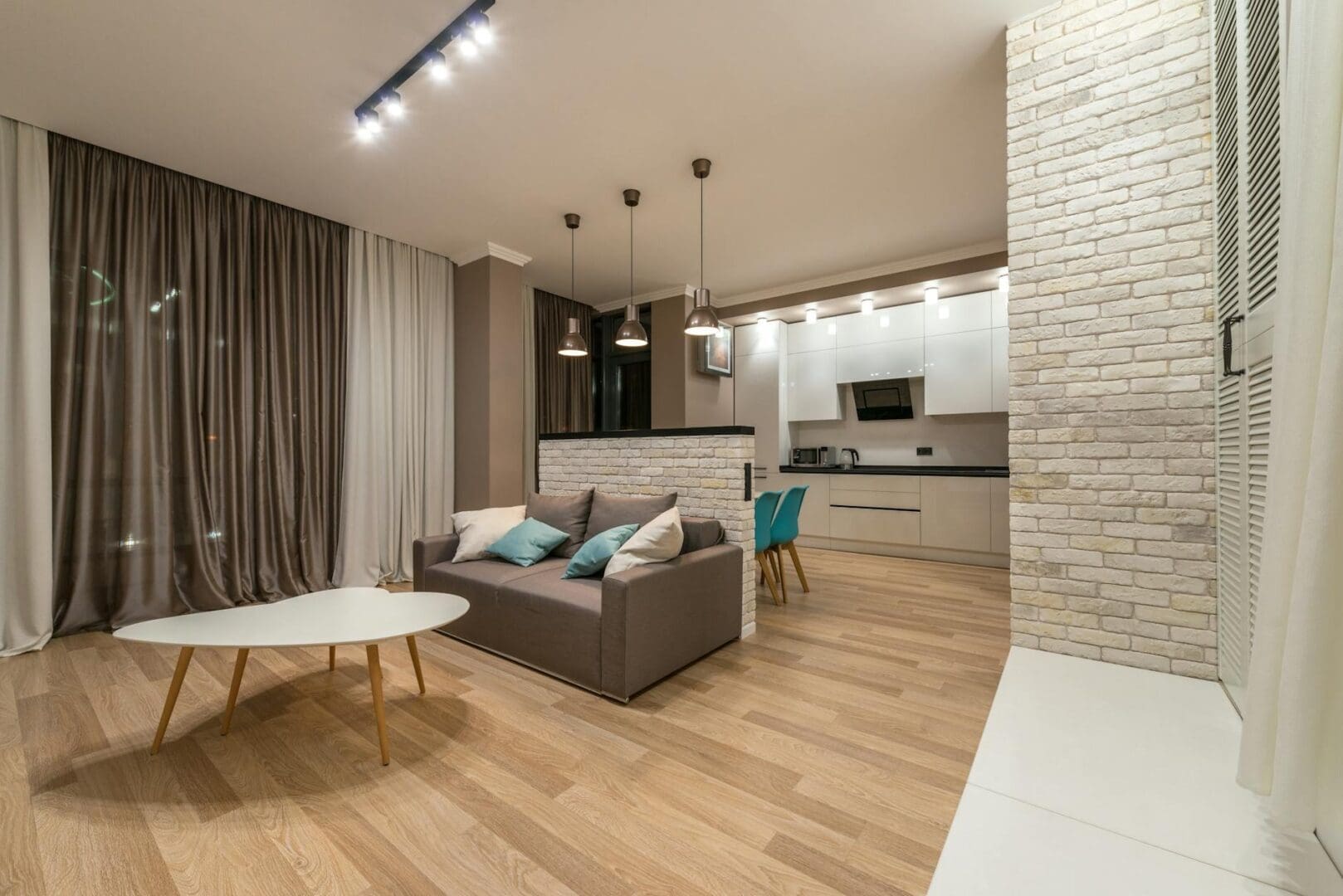
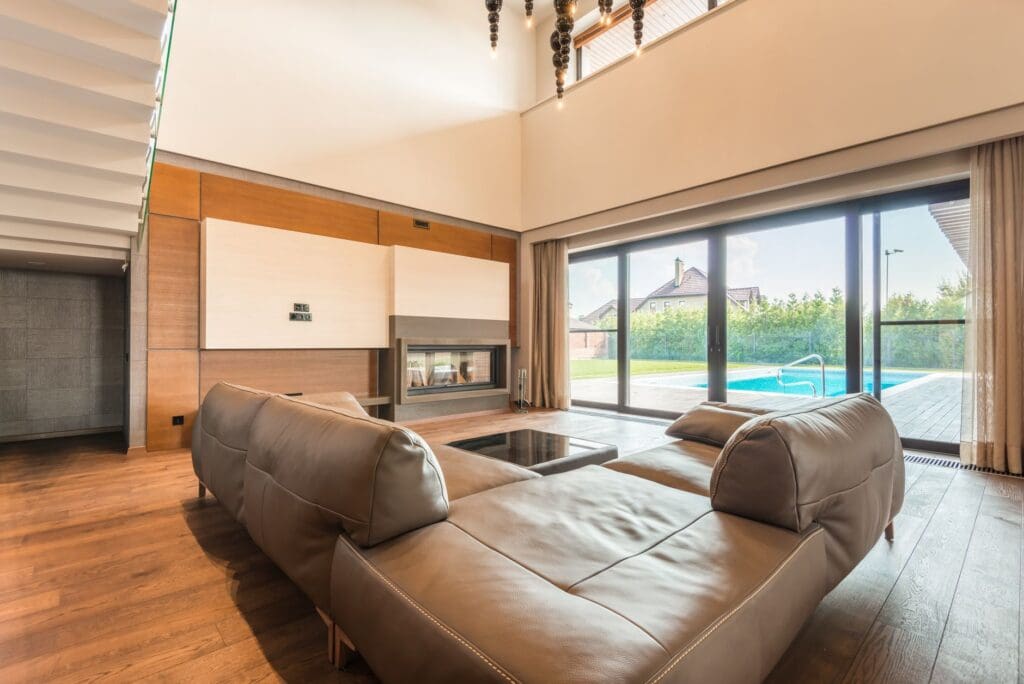
Walking into a living room with harsh overhead lighting feels about as inviting as a dentist’s office. Too dim, and you’re squinting at your book or straining to see faces during conversation. Getting the lighting right in your living room isn’t just about being able to see—it’s about creating a space that feels comfortable for everything from movie nights to hosting friends.
The good news? You don’t need an interior designer to nail your living room lighting. You just need to understand a few key principles and know what to look for when shopping.
Think in Layers, Not Just One Overhead Fixture
The biggest mistake people make is relying solely on that ceiling fixture that came with the house. Professional designers work with three types of lighting, and your living room needs all three:
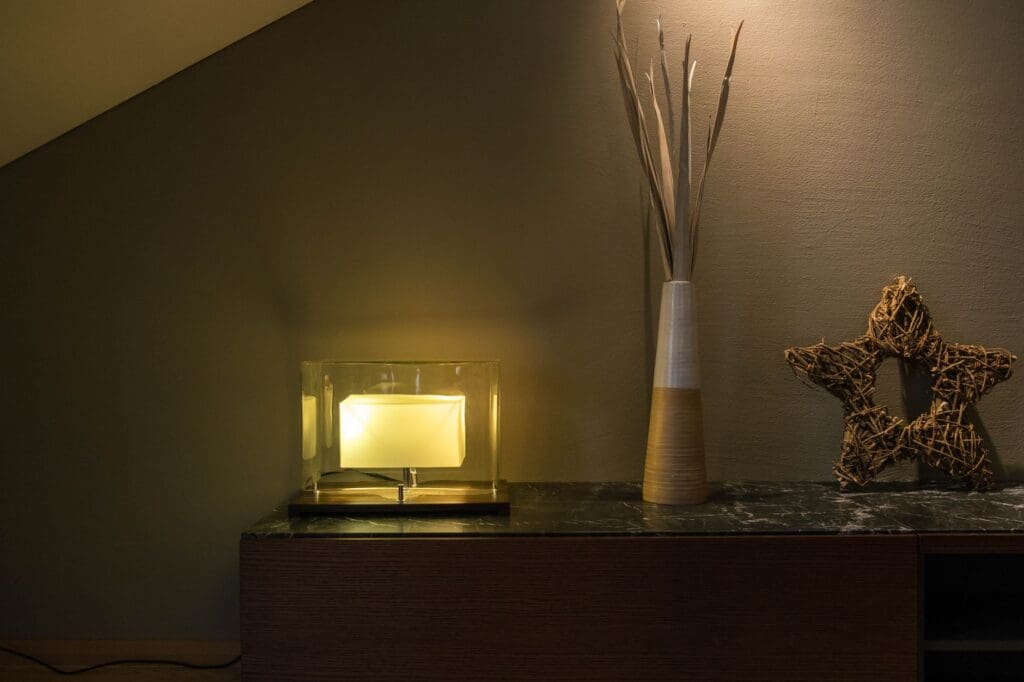
Task lighting helps you read, work, or do hobbies—table lamps beside seating areas or adjustable floor lamps
Accent lighting adds visual interest and highlights artwork or architectural features—picture lights, wall sconces, or directional spotlights
A well-lit living room typically needs 4-6 light sources spread throughout the space. This might sound like a lot, but it includes your ceiling fixture, a couple of table lamps, a floor lamp, and maybe a sconce or two. Budget around $50-150 per lamp for quality table and floor lamps, while statement chandeliers or pendant lights run $200-800 depending on size and materials.
Size and Placement Actually Matter
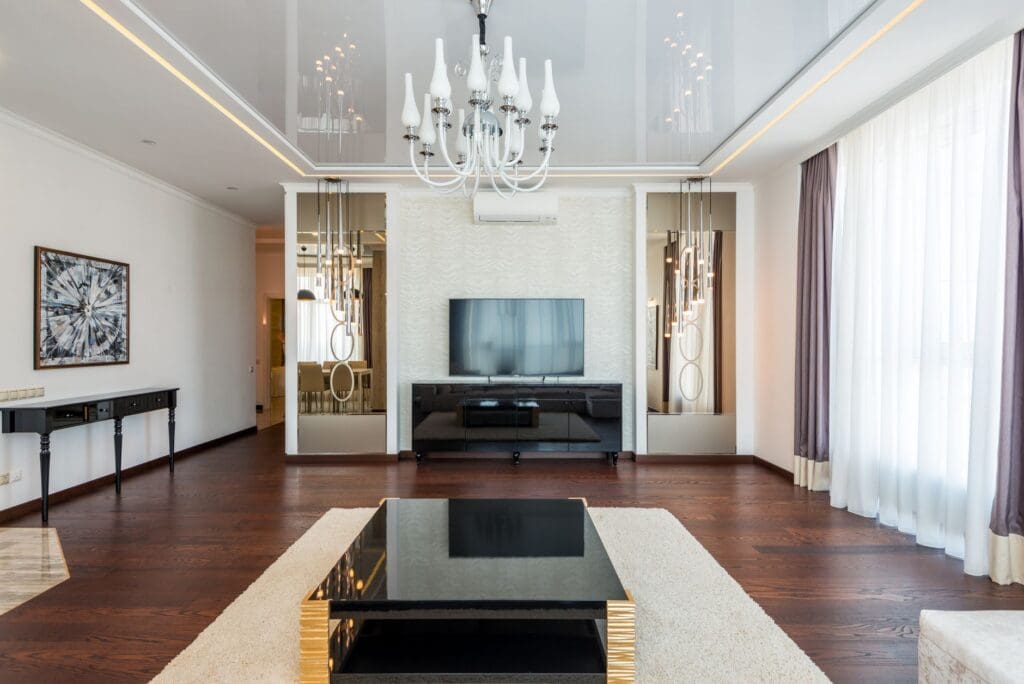
That gorgeous chandelier you love might overwhelm a small room or get lost in a large one. For ceiling fixtures, measure your room’s length and width in feet, add those numbers together, and convert to inches—that’s your ideal fixture diameter. So a 12×16 room works best with a roughly 28-inch fixture.
Hang chandeliers or pendants 7 feet above the floor at minimum, or 30-36 inches above a coffee table if you’re centering it over your seating area. Table lamps should sit at eye level when you’re seated—typically 26-33 inches tall for end tables beside sofas. The bottom of the lampshade should be at shoulder height when you’re sitting down, so you’re not staring into a bare bulb.
Floor lamps work beautifully in corners or beside chairs where you can’t fit an end table. Look for weighted bases (at least 8-10 pounds) so they won’t tip easily, especially if you have kids or pets.
Choose the Right Bulbs and Brightness
The fixture is only half the equation—bulb choice dramatically affects how your room feels. For living rooms, aim for warm white bulbs (2700-3000K color temperature) rather than the cool, bluish light you’d use in a garage. The warm tone makes skin tones look natural and creates that cozy atmosphere you actually want to relax in.
For brightness, living rooms generally need about 1,500-3,000 lumens total, depending on room size and ceiling height. Rather than putting all those lumens in one blinding overhead fixture, spread them across your layered lighting. A good formula: your ambient lighting provides 50-75% of total brightness, with task and accent lighting filling in the rest.
Dimmers are worth every penny of their $15-50 installation cost per switch. They let you adjust lighting for different activities and times of day—brighter for cleaning or playing board games, dimmed for movie watching or evening conversation.
Match Your Style Without Overthinking It
Your lighting should complement your room’s style, but it doesn’t need to match perfectly. In fact, mixing metals and finishes adds visual interest. A modern room can handle a vintage-inspired Edison bulb fixture, while a traditional space often benefits from one contemporary element to keep it from feeling stuffy.
Consider the visual weight of your fixtures. Rooms with heavy, dark furniture can balance that with lighter, airier lighting fixtures. Minimalist spaces often benefit from one sculptural statement light that serves as functional art. Glass and lucite fixtures virtually disappear, making them perfect for smaller rooms, while metal and wood fixtures add more presence.
Pay attention to shade materials too. Fabric shades diffuse light softly and work well for ambient lighting, while opaque metal shades direct light downward for focused task lighting. Open or exposed bulb fixtures provide more overall brightness but can create glare if not positioned thoughtfully.
Getting your living room lighting right is really about building flexibility into the space. With multiple light sources you can control independently, you create a room that works just as well for reading the Sunday paper as it does for entertaining. Start with your ambient lighting foundation, add task lighting where you actually sit and do things, then layer in accent pieces that make the room feel finished. Your living room will not only look better—it’ll finally feel like the comfortable, versatile space you want it to be.
There’s nothing quite like settling in for movie night at home, but harsh overhead lighting can ruin the whole experience. Too bright, and you’re squinting at a washed-out screen. Too dark, and you’re fumbling for the remote or straining your eyes. Getting your living room lighting right for movie watching isn’t complicated—it just takes the […]
You probably reach for your phone to change the temperature, lock your doors, or check who’s at the front door—so why are you still walking across the room to flip light switches? Smart lighting transforms your living room from a space with basic on-off switches into one that adapts to movie nights, dinner parties, reading […]
A chandelier can transform your living room from ordinary to unforgettable, but choosing the wrong size or style can throw off your entire space. Unlike task lighting that quietly does its job, a chandelier makes a statement—which means getting it right matters. Whether you’re working with vaulted ceilings or a cozy 10×12 room, here’s how […]