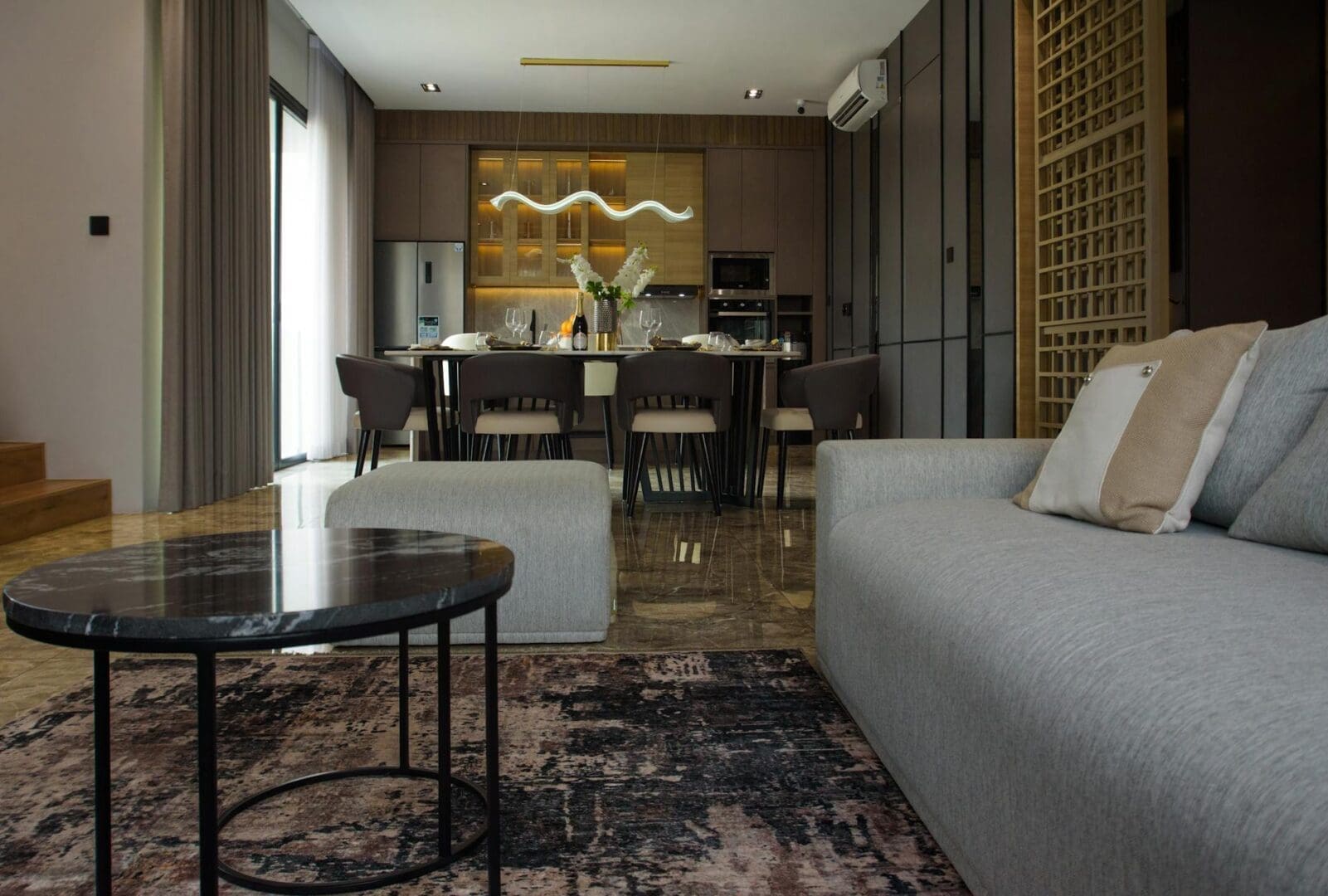
Your living room is pulling double duty, and you need it to work harder. Whether you’re in an apartment, a loft, or an open-concept home, creating a dedicated dining area within your living space is entirely doable—and it doesn’t have to feel cramped or chaotic. The key is choosing the right furniture and arranging it strategically so both zones feel intentional and comfortable.
Choosing the Right Dining Table for Your Space
The dining table is your anchor piece, so size matters more than anything else. Measure your available space carefully, leaving at least 36 inches around the table for chairs to pull out comfortably. In tight quarters, this might mean a 36-inch round table or a slim rectangular one that seats four.
Round and oval tables work beautifully in smaller living rooms because they encourage conversation and don’t have sharp corners eating up floor space. If you’re working with a narrow room, a rectangular table pushed against a wall can double as a console when you’re not eating. Drop-leaf and extendable tables are your best friends here—they stay compact for everyday use but expand when you’re hosting.
Budget-friendly options start around $200-400 for basic wood or laminate tables. Mid-range pieces ($500-1,200) offer better construction and materials like solid wood or marble tops. Splurge-worthy tables ($1,500+) feature premium finishes, designer details, and heirloom quality that’ll last decades.
Defining Zones Without Walls
The biggest challenge in a combined space is making each area feel distinct. Area rugs are your secret weapon—place one under your dining table to visually separate it from the living area. Make sure the rug is large enough that all chair legs stay on it even when pulled out, typically 8×10 feet for a six-person table.
Lighting does heavy lifting too. A pendant or chandelier hung 30-36 inches above your table immediately signals “this is the dining zone” without blocking sightlines. Dimmer switches let you adjust the mood from bright family dinners to ambient evening lighting.
Furniture placement creates natural boundaries. Try positioning your sofa with its back to the dining area, or use a bookshelf or console table as a subtle divider. Open shelving units work particularly well because they separate spaces while keeping the room feeling airy and connected.
Selecting Dining Chairs That Work Overtime
In a multi-purpose room, your dining chairs might need to be more versatile than traditional designs. Look for chairs that complement both your dining table and living room aesthetic—upholstered chairs in neutral tones or chairs with interesting backs that look good from all angles.
Consider stackable or folding chairs if storage is tight. Modern versions don’t look like cafeteria furniture—you’ll find sleek acrylic, bentwood, and upholstered options that stack neatly in a closet. Benches on one or both sides of the table save space and can tuck completely underneath when not in use.
If your living room has a cohesive style, your dining chairs should echo it. Mid-century modern living room? Go for tapered-leg dining chairs. Farmhouse feel? Windsor or ladder-back chairs fit right in. Mixing styles works only if there’s a unifying element like wood tone, color, or scale.
Storage Solutions for Dining Essentials
Without a separate dining room, you’ll need clever storage for dishes, linens, and serving pieces. A credenza or buffet along the wall does double duty—it stores dining essentials and provides a surface for serving food or displaying decor. Look for pieces with closed cabinets to hide clutter and keep your living space looking tidy.
Bar carts offer mobile storage and can roll away when not needed. A storage ottoman in your living area can hold extra napkins and placemats. Wall-mounted shelves or a small hutch keep everyday dishes accessible without requiring floor space.
The goal is making your dining setup feel effortless. When everything has a home nearby, you’re more likely to actually use your dining area instead of defaulting to the couch with a plate on your lap.
Creating a dining area in your living room is about working with what you have, not against it. Start with a properly sized table, define your zones with rugs and lighting, choose versatile seating, and plan for smart storage. The result is a space that flows naturally and serves both functions beautifully—no walls required.
There’s nothing quite like settling in for movie night at home, but harsh overhead lighting can ruin the whole experience. Too bright, and you’re squinting at a washed-out screen. Too dark, and you’re fumbling for the remote or straining your eyes. Getting your living room lighting right for movie watching isn’t complicated—it just takes the […]
You probably reach for your phone to change the temperature, lock your doors, or check who’s at the front door—so why are you still walking across the room to flip light switches? Smart lighting transforms your living room from a space with basic on-off switches into one that adapts to movie nights, dinner parties, reading […]
A chandelier can transform your living room from ordinary to unforgettable, but choosing the wrong size or style can throw off your entire space. Unlike task lighting that quietly does its job, a chandelier makes a statement—which means getting it right matters. Whether you’re working with vaulted ceilings or a cozy 10×12 room, here’s how […]