There’s something wonderful about hosting friends and family in your home, but if your living room isn’t set up for it, entertaining can feel stressful instead of fun. You’re juggling conversations while people perch awkwardly on armrests, or you’re realizing too late that there’s nowhere to set down drinks. A living room designed for entertaining doesn’t just happen—it takes intentional furniture choices and smart layout decisions that make hosting feel effortless.
Seating That Actually Accommodates Guests
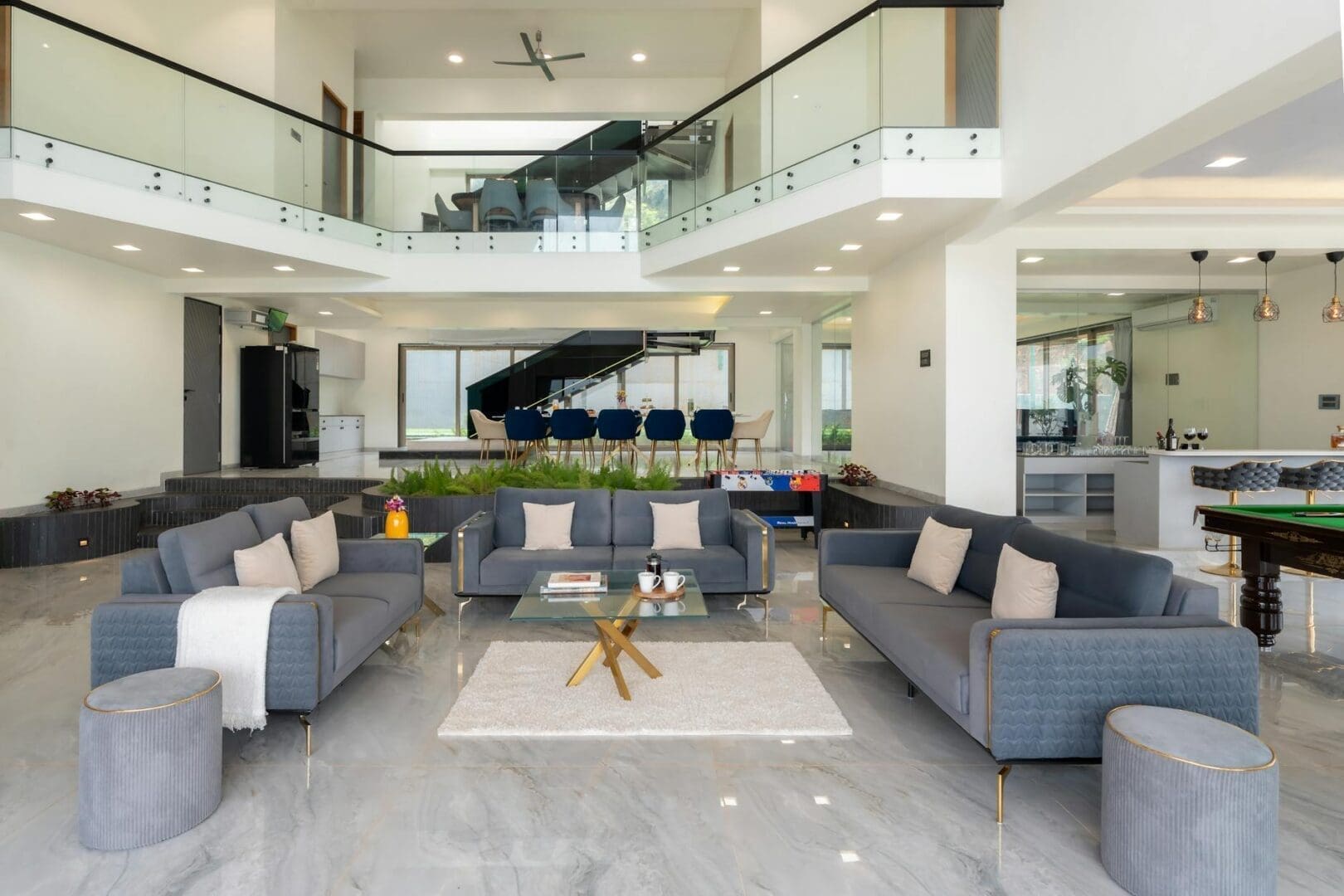
The foundation of any entertaining-friendly living room is having enough comfortable places to sit. A standard sofa seats three people, which sounds good until you actually have more than three guests. The magic number to aim for is seating for 8-10 people in a typical living room, and you’ll want to mix seating types to create flexibility.
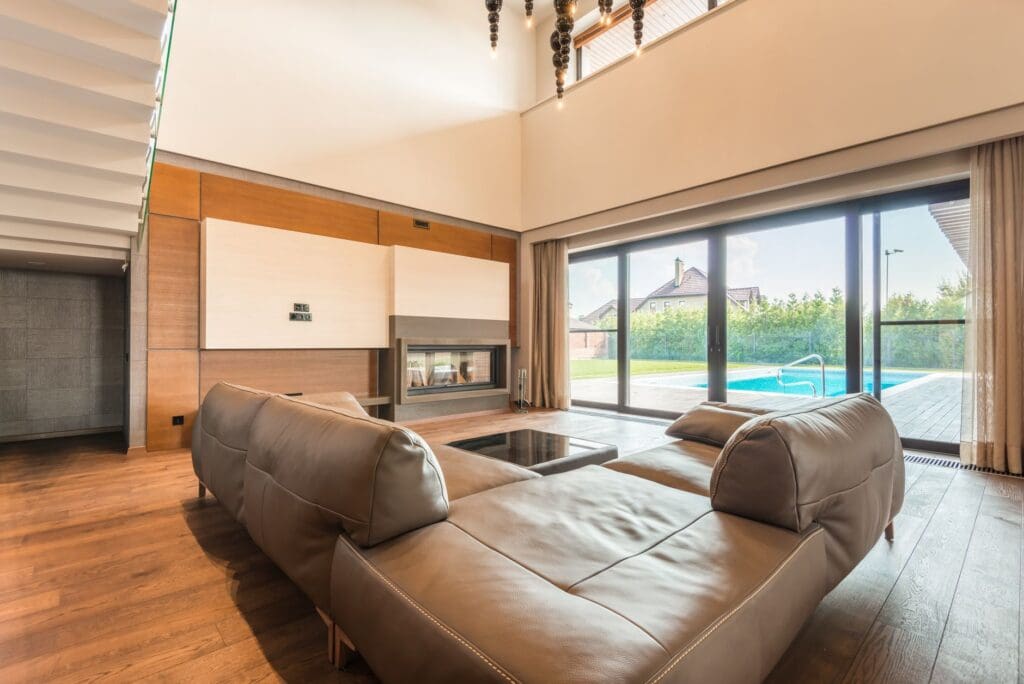
Start with your anchor piece—usually a sofa or sectional—then layer in additional seating. A sectional works beautifully if you regularly host larger groups, offering 5-6 seats in one piece. Pair it with a couple of accent chairs, and you’re already at comfortable capacity. If you prefer a traditional sofa, consider a loveseat perpendicular to it, plus two accent chairs to round out the arrangement.
Ottomans are your secret weapon here. Look for larger cocktail ottomans or a pair of smaller poufs that can serve as extra seating when needed but don’t make the room feel crowded day-to-day. Budget-friendly ottomans start around $150-200, while upholstered cocktail ottomans with storage run $400-800. The investment pays off every time you host.
Layout and Flow for Easy Mingling
Even with plenty of seating, your living room won’t work for entertaining if the layout feels cramped or blocks natural movement. You need clear pathways that let guests circulate comfortably—ideally 30-36 inches of walking space around furniture groupings.
Arrange seating in a conversation-friendly configuration, typically facing each other or at right angles rather than lined up against walls. This creates an intimate feel that encourages interaction. If you have a large living room, consider creating two separate seating areas instead of one massive grouping. This gives guests options and makes the space more dynamic during parties.
Float your furniture away from walls when possible. A sofa pulled 12-18 inches from the wall with a console table behind it instantly makes the room feel more sophisticated and provides extra surface space for drinks or decor. This setup also creates natural pathways around the perimeter of the room.
Surfaces for Drinks, Snacks, and Conversation
Nothing disrupts good conversation like guests awkwardly holding drinks because there’s nowhere to set them down. You need sufficient surface space within arm’s reach of every seat—and that means more than just a coffee table.
A coffee table remains essential, but supplement it with end tables, side tables, or nesting tables that can be pulled out when needed. Every seat should have access to a surface within easy reach. C-shaped side tables that slide under sofas are particularly clever for tight spaces, running $80-200 depending on materials.
Consider the height and scale of your coffee table carefully. It should sit at or slightly below seat height (16-18 inches is standard) and be large enough to be useful but not so large that it creates a barrier between seating areas. A 48-inch coffee table works well for most sofas, while sectionals can handle 54-60 inches.
Strategic Storage and Display
Entertaining-ready living rooms need designated homes for the things you’ll actually use when hosting. A bar cart or cabinet keeps glasses, cocktail supplies, and serveware accessible without requiring trips to the kitchen. Media consoles with closed storage hide everyday clutter quickly before guests arrive, while open shelving displays conversation-starting decor and books.
Built-ins or bookcases flanking a fireplace or TV provide substantial storage while adding architectural interest. If that’s not in the budget (built-ins typically start at $2,000-3,000 installed), freestanding bookcases achieve a similar effect for $300-800 per unit. Use a mix of closed and open storage—the closed sections hide the mess, while the open shelves show your personality.
Your living room should strike a balance between being comfortable for your everyday life and ready for company without a major overhaul. When you have flexible seating, thoughtful flow, ample surfaces, and smart storage, hosting becomes something you look forward to rather than stress about. Start with the seating configuration that makes sense for your space, then build in the surfaces and storage that support how you actually entertain.
There’s nothing quite like settling in for movie night at home, but harsh overhead lighting can ruin the whole experience. Too bright, and you’re squinting at a washed-out screen. Too dark, and you’re fumbling for the remote or straining your eyes. Getting your living room lighting right for movie watching isn’t complicated—it just takes the […]
You probably reach for your phone to change the temperature, lock your doors, or check who’s at the front door—so why are you still walking across the room to flip light switches? Smart lighting transforms your living room from a space with basic on-off switches into one that adapts to movie nights, dinner parties, reading […]
A chandelier can transform your living room from ordinary to unforgettable, but choosing the wrong size or style can throw off your entire space. Unlike task lighting that quietly does its job, a chandelier makes a statement—which means getting it right matters. Whether you’re working with vaulted ceilings or a cozy 10×12 room, here’s how […]