Open floor plans are wonderful—until you realize your sectional needs to do a lot more heavy lifting than just looking good. In an open concept space, your sectional becomes a room divider, a traffic director, and the visual anchor all at once. Choose the wrong size or configuration, and you’ll either block your entire space or leave it feeling disconnected and awkward. Let’s walk through how to find a sectional that actually works with your layout, not against it.
Size and Scale: The Floating Furniture Dilemma
Here’s the thing about sectionals in open layouts: they almost always need to float in the space rather than hug a wall. That means you need to think differently about size.
Start by measuring your conversation zone—not your entire room. A good sectional arrangement in an open plan typically occupies an 8×10 or 10×12 foot area, leaving enough clearance for traffic flow around all sides. You’ll want at least 30 inches of walkway behind the sectional if it’s floating, and 18 inches minimum for side passages.
For most open concept living areas, a medium-sized sectional (around 110-130 inches on the long side) hits the sweet spot. Go bigger only if your space is genuinely expansive—think 500+ square feet for the living zone alone. Oversized sectionals (140+ inches) can make even large open plans feel cramped because they eat up critical circulation space.
Budget sectionals typically start around $1,200-2,000, mid-range options run $2,500-4,500, and investment pieces can reach $6,000-10,000+. The price often reflects not just quality but also customization options that let you nail the exact dimensions your space needs.
Configuration: L-Shape vs. U-Shape vs. Modular
The configuration you choose should create natural boundaries without building walls.
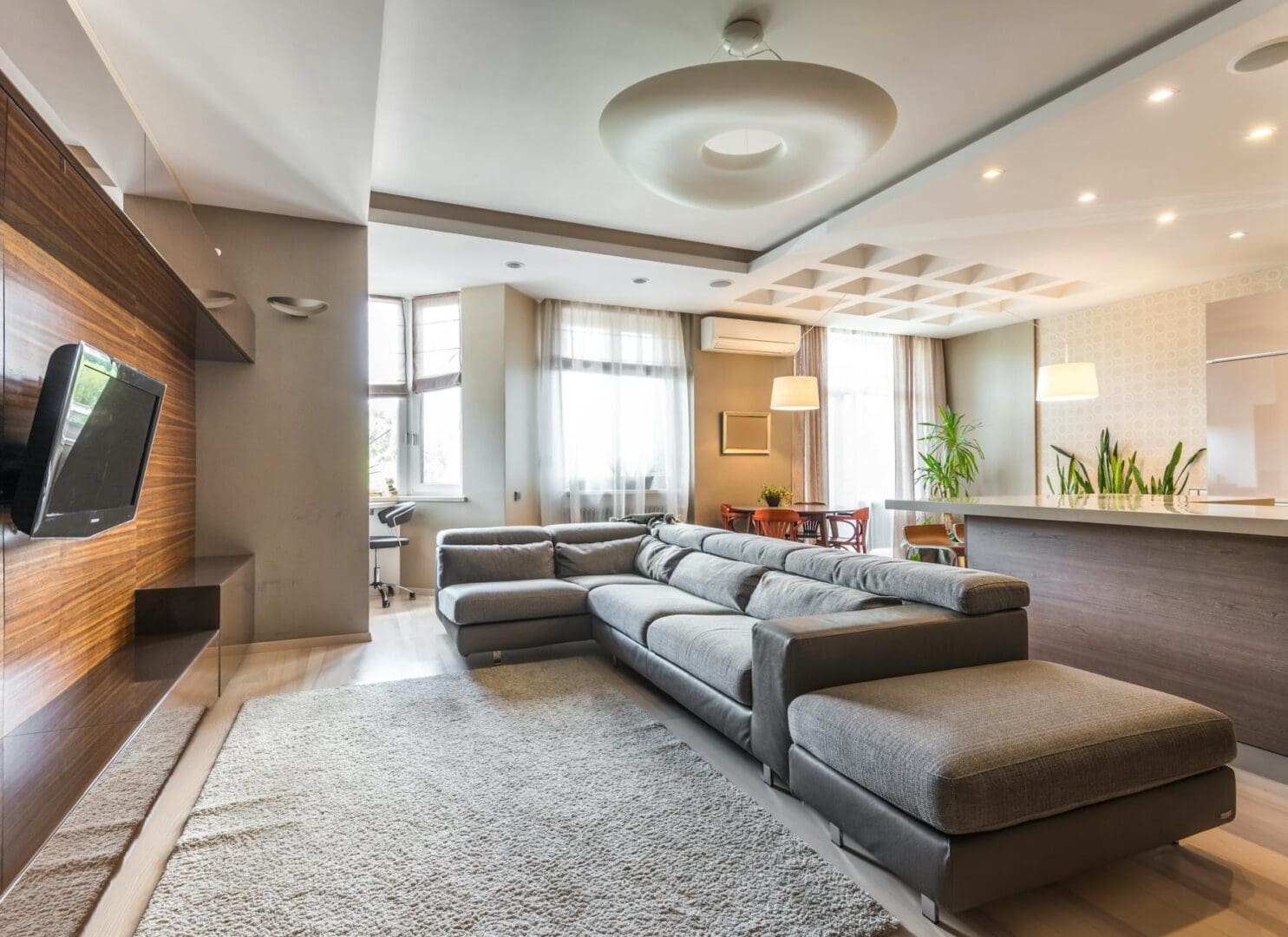
L-shaped sectionals are the workhorses of open floor plans. They define your living area while keeping sightlines open to the kitchen or dining zone. Position the long side facing your main view (TV, fireplace, or windows) and let the shorter return side act as a gentle divider.
U-shaped sectionals work in larger, truly open spaces where you want to create a more enclosed conversation pit. They’re ideal if your “living room” zone is distinct enough to handle this cocooning effect, but they can feel too heavy if your space is under 400 square feet total.
Modular sectionals deserve serious consideration for open plans because flexibility matters. When you can rearrange pieces, you can adapt to different uses—game night, party flow, or future layout changes. Look for options with ottomans or armless chairs that can pull double duty.
Style and Visual Weight: Creating Flow
In an open floor plan, your sectional is visible from multiple angles and rooms, so its style needs to coordinate with everything in view.
Low-profile sectionals with exposed legs create a lighter visual footprint—you can see under and past them, which helps maintain that airy, open feeling. Track arms and tight backs read more modern and streamlined. If your open plan includes traditional dining furniture, consider English or rolled arms to bridge the style gap.
Color matters more in open concepts than in closed rooms. Medium-toned neutrals (warm grays, taupes, soft blues) tend to anchor a space without dominating it. Save bold colors for smaller spaces where the sectional sits against walls. Dark sectionals can feel heavy but work beautifully in large, bright spaces with lots of natural light.
Avoid busy patterns that compete with other visual elements in your connected spaces. If you love pattern, add it through pillows that you can swap out.
Placement and Orientation: Directing Traffic
The biggest mistake in open floor plans? Pushing the sectional against a wall like you would in a traditional room. Instead, use it to create purposeful zones.
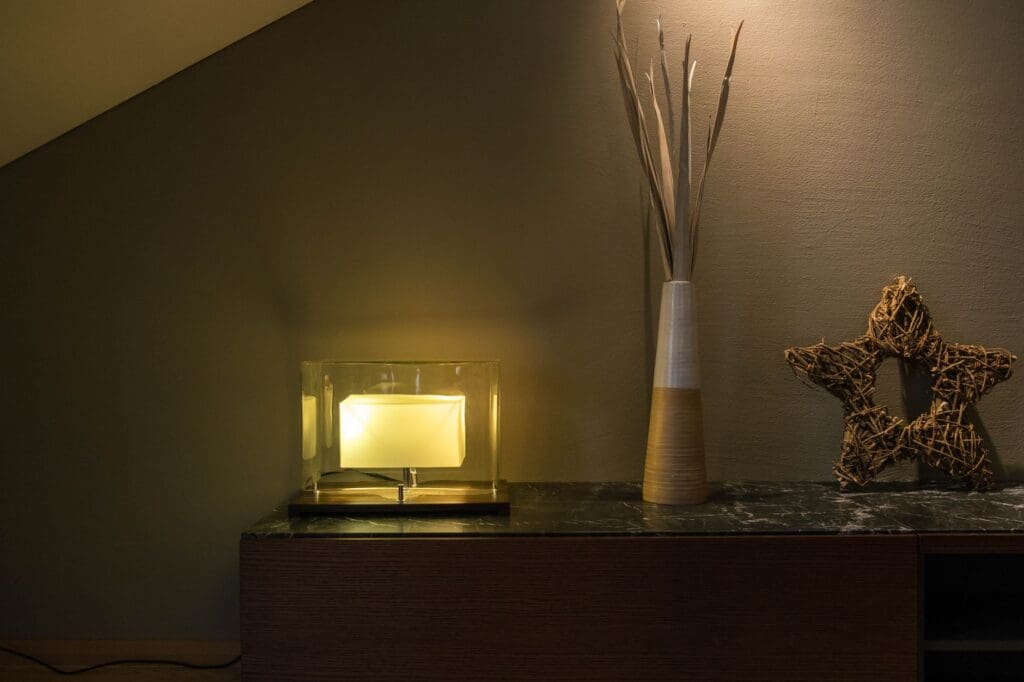
Float your sectional to separate the living area from the dining space, positioning it perpendicular to the main traffic flow. The back of the sectional becomes a natural boundary—consider adding a console table behind it for both function and visual completion.
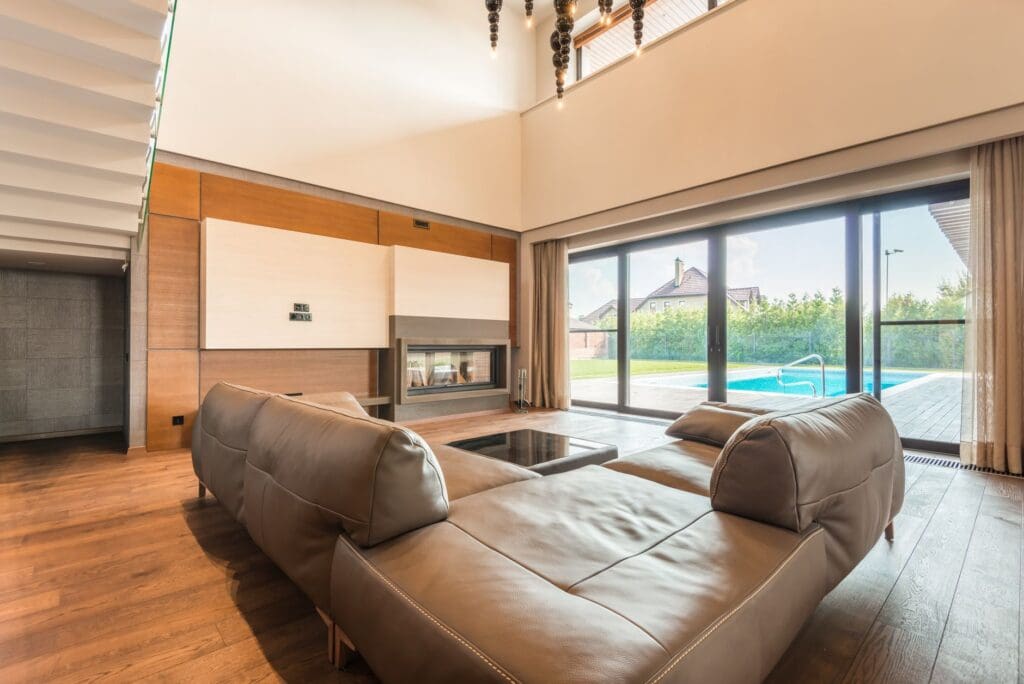
Orient the sectional toward your focal point, whether that’s a fireplace, TV, or view. The return side should angle slightly toward other zones to maintain connection. If your open plan includes a kitchen, avoid blocking the cook’s view into the living area—connection is the whole point of open concept living.
Test your layout with painter’s tape on the floor before buying. Walk the traffic patterns. Sit where the sectional would be. Make sure someone can carry a laundry basket or a stack of plates through without gymnastics.
Choosing a sectional for an open floor plan requires balancing definition with flow, substance with breathing room. Get the size and placement right, and your sectional becomes the organizational backbone of your space—anchoring your living area while keeping everything connected and functional. Take your time with measurements, consider how you actually move through your space, and pick a configuration that serves your real life, not just your Pinterest board.
There’s nothing quite like settling in for movie night at home, but harsh overhead lighting can ruin the whole experience. Too bright, and you’re squinting at a washed-out screen. Too dark, and you’re fumbling for the remote or straining your eyes. Getting your living room lighting right for movie watching isn’t complicated—it just takes the […]
You probably reach for your phone to change the temperature, lock your doors, or check who’s at the front door—so why are you still walking across the room to flip light switches? Smart lighting transforms your living room from a space with basic on-off switches into one that adapts to movie nights, dinner parties, reading […]
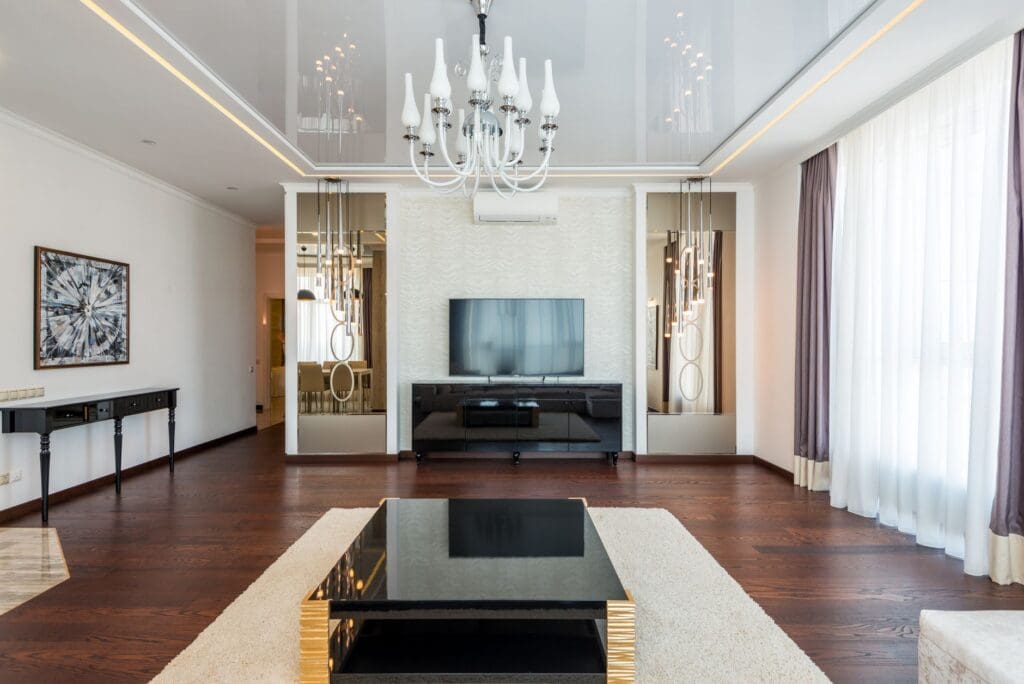
A chandelier can transform your living room from ordinary to unforgettable, but choosing the wrong size or style can throw off your entire space. Unlike task lighting that quietly does its job, a chandelier makes a statement—which means getting it right matters. Whether you’re working with vaulted ceilings or a cozy 10×12 room, here’s how […]