There’s something about coastal style that makes a living room feel like a permanent vacation—airy, relaxed, and effortlessly pulled together. But achieving that breezy beach house look is trickier than it seems. Too much nautical theming and you’ll feel like you’re living in a boat showroom. Too subtle and you’ve just got a beige room. The sweet spot lies in choosing the right furniture, colors, and textures that whisper “coast” without shouting “tchotchke shop.”
Start With a Light, Neutral Foundation
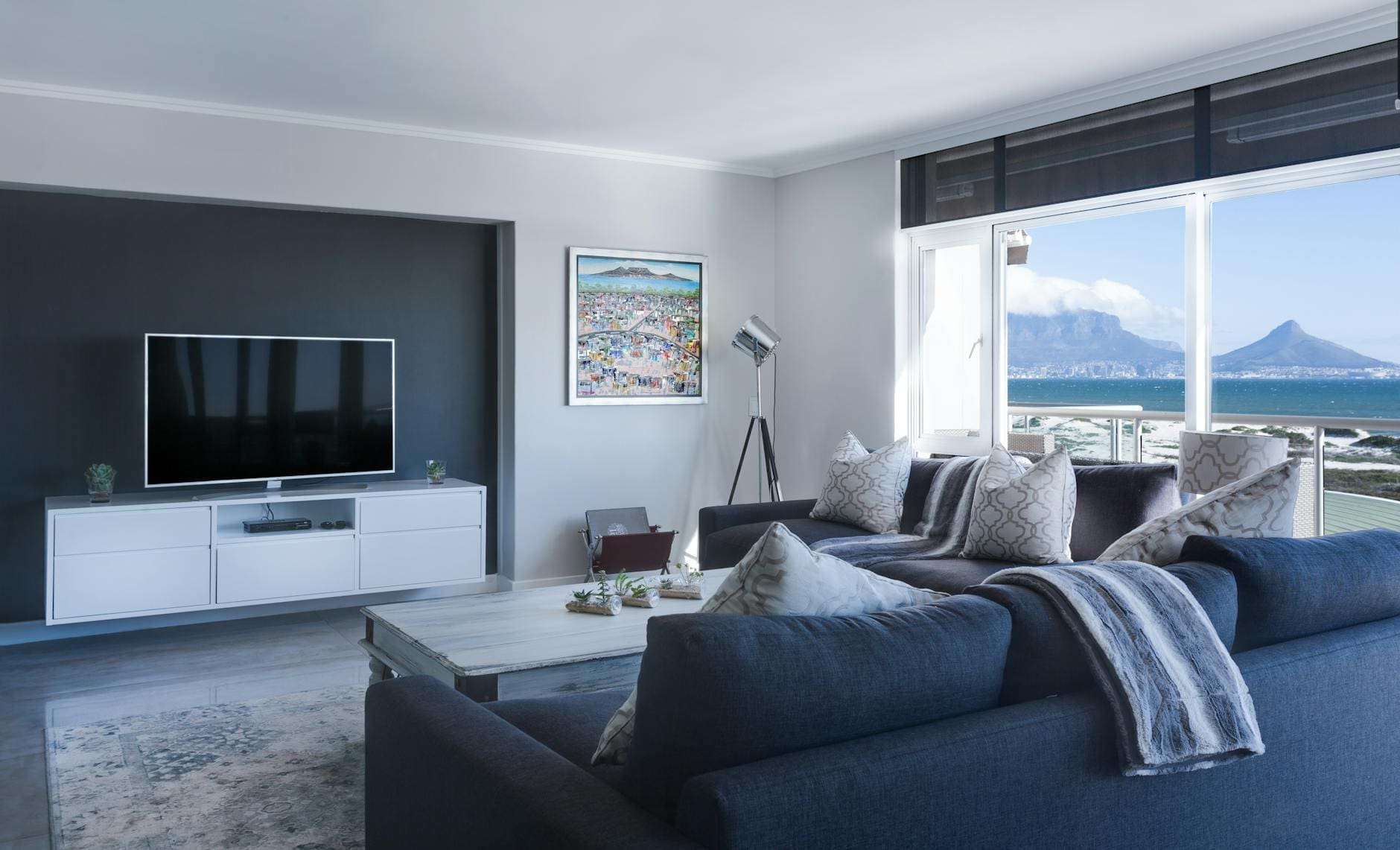
Coastal living rooms work because they feel open and bright, which starts with your largest pieces. Your sofa sets the tone for everything else, so look for upholstery in natural linen, cotton canvas, or performance fabrics in whites, creams, sand, or soft grays. Slipcovered sofas are particularly authentic to coastal style—they’re washable, casual, and have that lived-in quality that says “kick off your sandy shoes and stay awhile.”
For coffee tables and side tables, whitewashed or natural wood finishes work beautifully. Reclaimed wood adds character and feels appropriately weathered, while painted white or driftwood-gray finishes keep things light. Glass-top tables with woven rattan or rope-wrapped bases hit that sweet spot between beach house and sophisticated. Budget-friendly options start around $200-300, while solid wood or designer pieces can run $800-1,500.
Layer in Texture Through Natural Materials
This is where coastal style really comes alive. Instead of relying on beach-themed accessories, bring in the textures you’d actually find near the ocean. Seagrass, jute, and sisal rugs ground the space and add organic warmth underfoot—look for flatweave or chunky-weave styles in 8×10 or 9×12 sizes depending on your room layout. These typically run $150-600 for quality natural fiber rugs.
Wicker and rattan furniture adds instant coastal charm without being too literal. A pair of rattan armchairs, a woven ottoman, or even just rattan-backed dining chairs if your living room flows into a dining area will do the trick. The key is mixing these natural textures with your upholstered pieces rather than going full wicker-everything.
For window treatments, skip heavy drapes and opt for natural linen curtains in white or cream, or go with woven wood shades in bamboo or grasscloth. These filter light beautifully while maintaining that airy, uncluttered feel coastal rooms need.
Choose Your Blue Carefully (Or Skip It Entirely)
Yes, coastal rooms can have blue, but it’s not mandatory—and when you do use it, restraint is your friend. The most sophisticated coastal living rooms often stick to sandy neutrals with just hints of blue-gray or soft aqua in throw pillows, a single accent chair, or artwork. Think faded denim rather than bright turquoise.
If you want more color, consider ocean-inspired greens like seafoam or sage, or warm coral and sandy terracotta tones. These feel coastal without being predictable. When selecting throw pillows—and you’ll want several in varying sizes—mix solid linens with subtle stripes or simple geometric patterns rather than literal starfish prints. A 20×20 pillow set might run $40-60 for basic covers, or $80-120 for high-quality linen or performance fabrics.
Pick the Right Accessories and Lighting
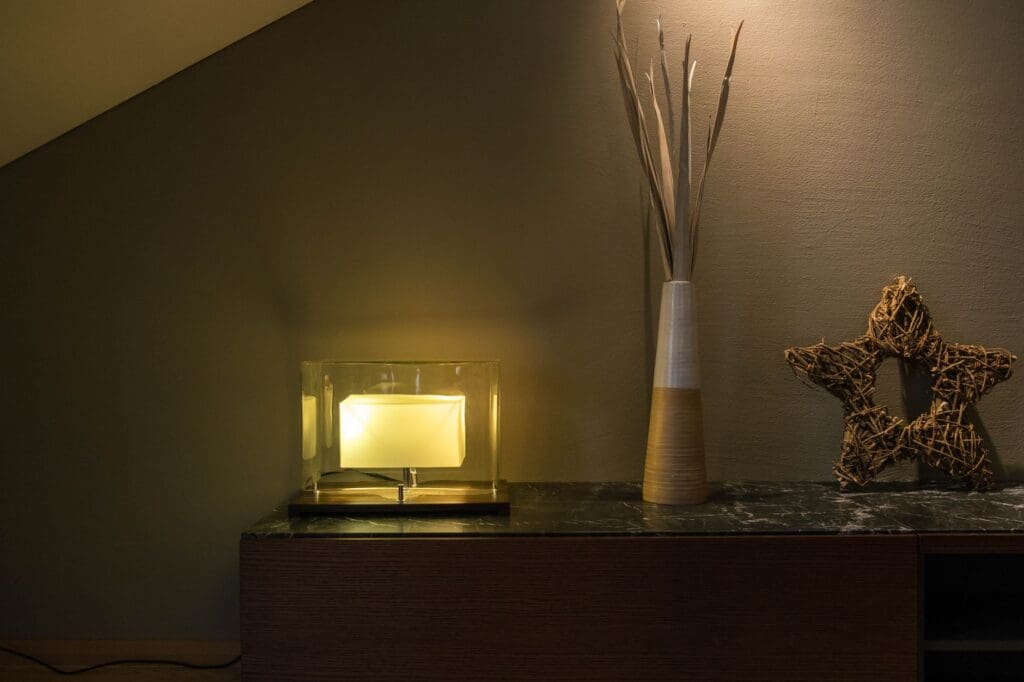
Lighting makes or breaks the coastal vibe. Look for fixtures in natural materials like rope-wrapped pendants, capiz shell chandeliers, or lamps with ceramic or driftwood bases. Woven drum pendants or rattan flush-mounts work especially well in rooms with lower ceilings. These typically range from $100-400 depending on size and complexity.
For accessories, edit ruthlessly. A few large pieces—a substantial piece of coral, a collection of white ceramics, or oversized glass vessels—look more collected and intentional than a dozen small nautical trinkets. Mirrors with rope detailing or whitewashed wood frames help bounce light around and make the space feel larger. And yes, you can include some shells or sea glass, but display them in a single beautiful bowl rather than scattering them everywhere.
Your coastal living room should feel like a calm retreat where the beach is an inspiration, not a theme. By focusing on natural materials, a light color palette, and quality pieces with coastal character, you’ll create a space that captures that vacation-home feeling year-round. Start with your foundational furniture, layer in those textured natural materials, and keep accessories intentional—you’ll have that perfect beach house vibe before you know it.
There’s nothing quite like settling in for movie night at home, but harsh overhead lighting can ruin the whole experience. Too bright, and you’re squinting at a washed-out screen. Too dark, and you’re fumbling for the remote or straining your eyes. Getting your living room lighting right for movie watching isn’t complicated—it just takes the […]
You probably reach for your phone to change the temperature, lock your doors, or check who’s at the front door—so why are you still walking across the room to flip light switches? Smart lighting transforms your living room from a space with basic on-off switches into one that adapts to movie nights, dinner parties, reading […]
A chandelier can transform your living room from ordinary to unforgettable, but choosing the wrong size or style can throw off your entire space. Unlike task lighting that quietly does its job, a chandelier makes a statement—which means getting it right matters. Whether you’re working with vaulted ceilings or a cozy 10×12 room, here’s how […]