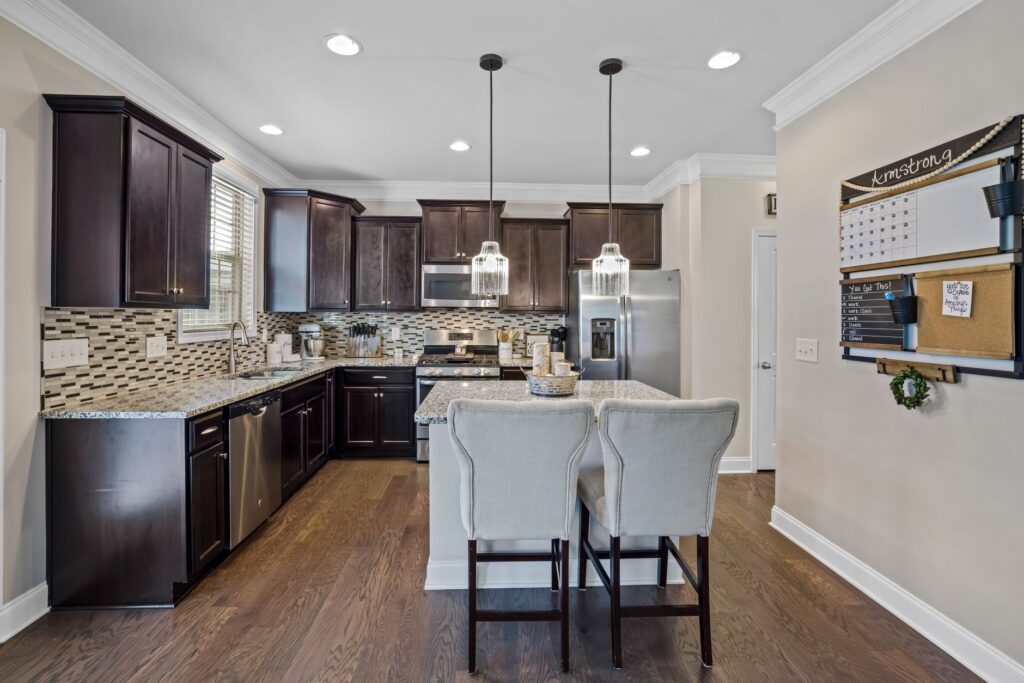
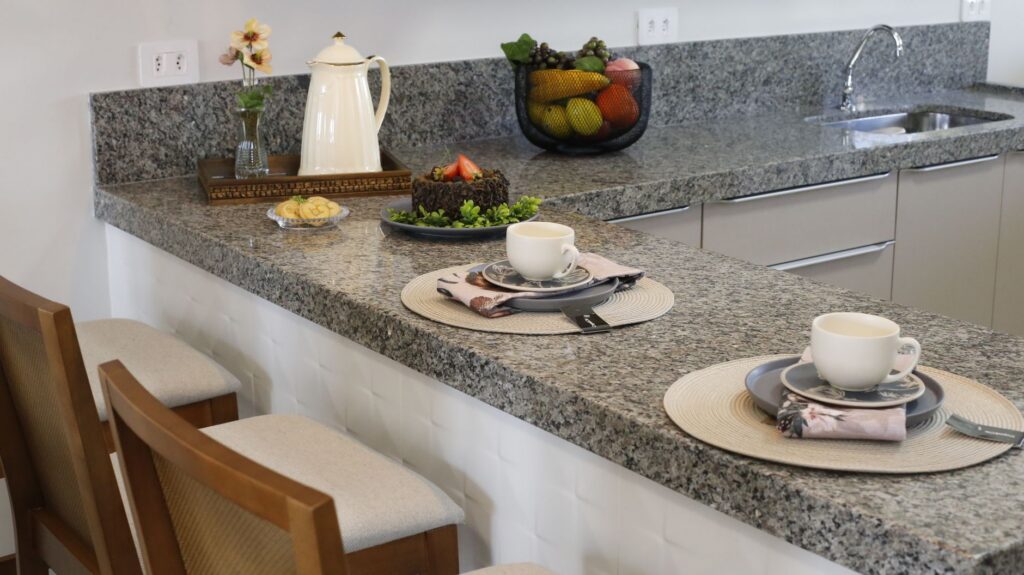
Standing in a showroom staring at two beautiful dining chairs—one sleek and wooden, the other plush and upholstered—you might wonder if this decision really matters. It does. Your dining chairs will take a beating from daily meals, homework sessions, and weekend gatherings, so getting this right means choosing something you’ll actually want to live with for years.
The good news? There’s no universally “correct” choice here. It’s about matching the right chair type to how you actually use your dining space.
Comfort and How Long People Linger
Think about your typical dinner. Do you eat quickly and move on, or does your family sit around the table talking for an hour after the meal?
Wood chairs keep things moving. They’re comfortable enough for a 30-minute meal but won’t tempt anyone to camp out all evening. If you have young kids who need to get through dinner without too much dawdling, or if your dining space pulls double duty as a workspace during the day, wood chairs naturally encourage people to get up when they’re done.
Upholstered chairs, on the other hand, are built for lingering. The cushioned seat and back support make hour-long conversations feel effortless. They’re the clear winner if you host dinner parties, enjoy long Sunday brunches, or if anyone in your household has back issues. Look for chairs with at least 2-3 inches of foam padding and supportive backs—anything less won’t deliver the comfort you’re paying for.
Maintenance Reality Check
This is where most people kid themselves. Be honest about your cleaning habits and what actually happens around your table.
Wood chairs are the low-maintenance champions. Spilled wine? Wipe it up. Pasta sauce? Gone in seconds. A quick wipe-down with a damp cloth handles most messes, and you can deep-clean them once or twice a year with wood polish. They’re practically indestructible if you have kids, pets, or a habit of eating messy foods.
Upholstered chairs require more commitment. Even with stain-resistant fabrics like performance linen or treated polyester blends, you’re looking at regular vacuuming and the occasional professional cleaning. Removable, washable slipcovers help, but they still need washing. Budget-friendly upholstered chairs ($100-200 each) often use fabrics that stain easily. Mid-range options ($200-400) typically feature better stain treatments. Splurge-level chairs ($400+) might offer luxury performance fabrics, but even these aren’t bulletproof against red wine or marker.
Style Flexibility and Room Personality
Your chairs set the tone for the entire dining area, sometimes even more than the table itself.
Wood chairs bring warmth and versatility. A set of spindle-back or ladder-back chairs works in farmhouse, traditional, or even modern spaces depending on the finish. Walnut and oak add richness, while painted wood keeps things casual and cottage-like. They also play well with different table materials—wood chairs can soften a glass table or complement a wood one without competing for attention.
Upholstered chairs make a statement. They add softness and luxury that wood alone can’t match, especially in formal dining rooms or open-concept spaces where the dining area is visible from the living room. Velvet or linen upholstery in a jewel tone or neutral can elevate your entire space. The tradeoff? They’re harder to move between different decor styles if you redecorate. That emerald green velvet that looks stunning now might not work with your next design phase.
One smart compromise: mix them. Upholstered chairs at the table ends with wood chairs on the sides gives you comfort for the hosts while keeping maintenance manageable.
Budget and Longevity
Wood chairs typically offer better long-term value. A solid hardwood chair in the $150-300 range can last decades with minimal care. Even budget wood chairs ($75-150) hold up reasonably well for most households.
Upholstered chairs cost more upfront and eventually need reupholstering. That $250 upholstered chair might need $100-150 in fabric work after five to seven years of heavy use. Factor this into your decision—if you’re planning to stay in your home long-term, wood might stretch your budget further.
The decision comes down to your daily reality. If you value easy cleanup and longevity, wood chairs won’t let you down. If comfort during long meals matters more and you’re willing to handle the upkeep, upholstered chairs will make your dining space feel more inviting. Either way, you’re not stuck forever—dining chairs are one of the easier furniture pieces to replace when your needs change.
Hallways are the overlooked workhorses of our homes—they connect every room, but rarely get the storage love they deserve. A well-chosen sideboard transforms that narrow stretch of wall into genuinely useful space without making your hallway feel like an obstacle course. The trick is finding one that fits the proportions of the room while actually […]
Dark kitchens—whether they feature rich espresso cabinets, moody charcoal walls, or black granite countertops—create incredible drama and sophistication. But they also present a unique challenge when it comes to choosing bar stools. Pick the wrong ones, and your beautiful space can feel cave-like or visually heavy. Choose wisely, and your stools become the bright spot […]
Your kitchen peninsula is prime real estate—it’s where morning coffee happens, where kids do homework while you’re prepping dinner, and where guests naturally gather during parties. Getting the right bar stools makes all the difference between a peninsula that feels welcoming and one that sits empty. But with so many options for height, style, and […]