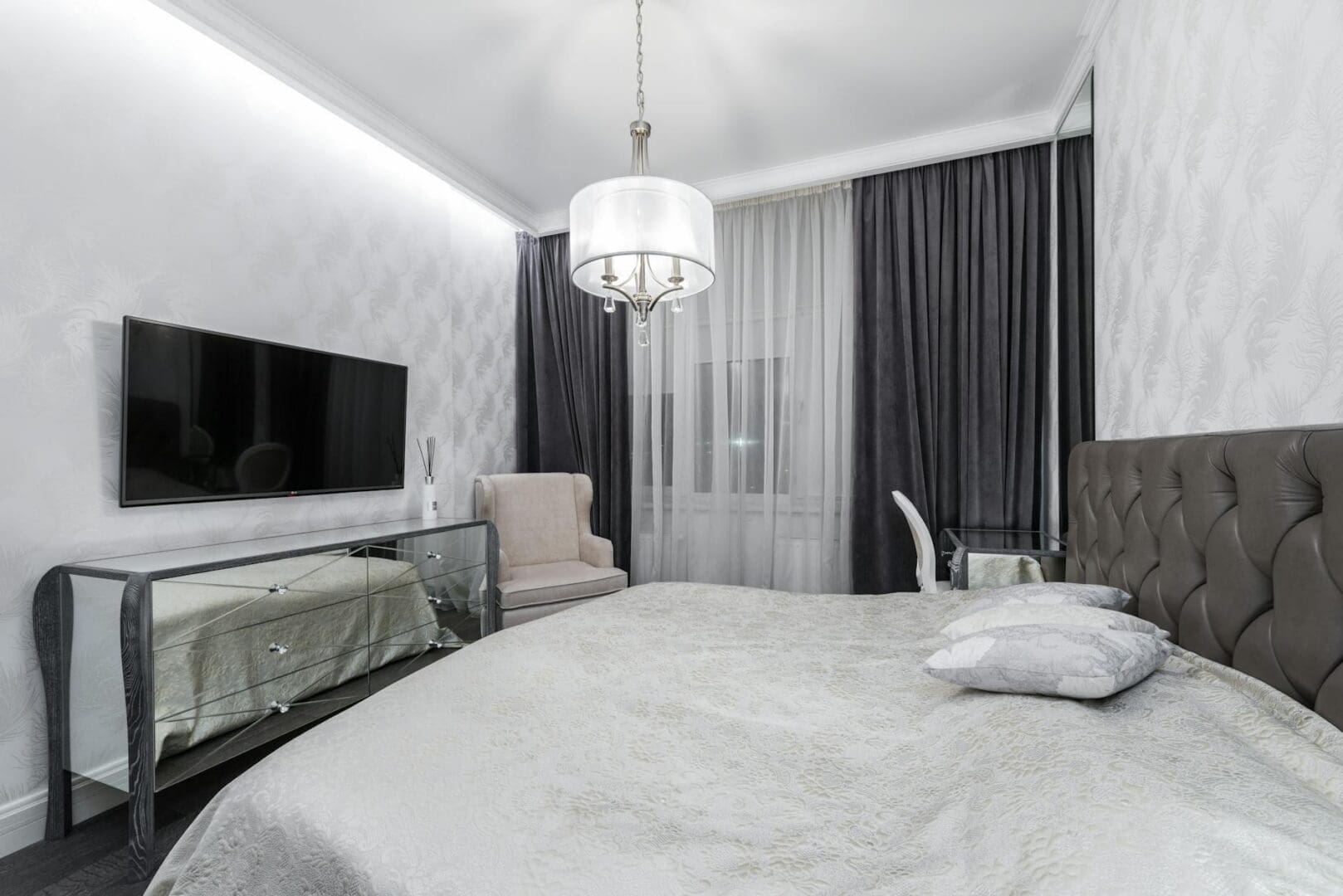
You’ve fallen for the luxe, hotel-chic look of an upholstered bed, but now comes the practical part: which fabric actually makes sense for your life? Unlike wood or metal beds that you can wipe down and forget about, upholstered beds require a bit more thought upfront. The right fabric choice means the difference between a bed that looks gorgeous for years and one that shows every coffee spill and pet hair within months.
Let’s walk through what you need to know before bringing home that beautiful padded headboard.
Fabric Types and Their Real-World Performance
Not all upholstery fabrics are created equal, and bedroom-specific needs matter here. Linen looks effortlessly elegant and breathable, but it wrinkles easily and stains faster than you’d like. If you’re drawn to that relaxed, textured look and don’t have kids or pets climbing on the bed, linen works beautifully in the $800-$1,500 range.
Velvet has become hugely popular for upholstered beds, and for good reason—it photographs beautifully and feels luxurious. Performance velvet (also called polyester velvet) resists stains better than cotton velvet and typically costs $600-$2,000 depending on bed size. The catch? It can show crush marks where you lean against it, though most fluff back up with a soft brush.
Microfiber and performance fabrics are the workhorses of upholstered beds. They resist moisture, repel stains, and clean up easily. If you eat breakfast in bed, have pets, or just want something low-maintenance, these are your best bet. Expect to pay $500-$1,200 for quality performance fabric beds.
Leather and faux leather sit at opposite ends of the price spectrum ($1,500+ for genuine leather, $400-$900 for faux) but share similar benefits: easy to wipe clean, durable, and they develop character over time. Genuine leather breathes better, while faux leather can feel warmer against your back.
Durability Factors That Actually Matter
The fabric weight and weave density determine how well your bed holds up. Look for fabrics with a double rub count above 15,000 for residential use—this measures how many times the fabric can be rubbed before showing wear. Performance fabrics often hit 30,000 or higher.
Pay attention to the frame construction too. The best upholstered beds use hardwood frames with corner blocking and center support rails. Cheaper versions ($300-$500) often use particle board or insufficient support, which means the whole structure can sag even if the fabric looks fine.
Check whether the headboard and footboard are removable for cleaning or reupholstering down the line. Some beds have zippered covers—a premium feature that makes deep cleaning or updating the look much easier. These typically start around $1,000.
Care Requirements: What You’re Signing Up For
Here’s what actually keeps an upholstered bed looking fresh. Weekly vacuuming with an upholstery attachment prevents dust and allergens from settling into the fabric. This takes about five minutes and makes the biggest difference in longevity.
Most fabrics need professional cleaning every 12-18 months, costing $100-$200 depending on bed size. Between professional cleanings, spot-treat spills immediately with appropriate cleaners—water-based for performance fabrics, specialized leather cleaner for leather beds.
Rotate your pillows and avoid always leaning on the same headboard spot to prevent uneven wear patterns. If you have pets, keep a lint roller handy and consider a bed with tighter weaves that don’t trap hair as easily.
Sun exposure fades upholstery faster than you’d think. If your bed faces a window, consider UV-protective window treatments or position the bed so direct sunlight doesn’t hit the headboard daily.
Making the Right Choice for Your Situation
Match the fabric to your actual lifestyle, not your aspirational one. Love the look of cream linen but have two dogs and a toddler? Choose a darker performance fabric instead. Living alone in a pet-free space and want maximum elegance? That’s when delicate fabrics make sense.
Consider your bedroom’s humidity and temperature too. Leather and faux leather can feel sticky in warm, humid rooms without air conditioning. Natural fabrics like cotton and linen breathe better in those conditions.
Budget for the total cost of ownership: initial price plus cleaning supplies, professional cleaning every year or so, and potential reupholstering in 7-10 years. A $500 performance fabric bed that wipes clean might cost less long-term than a $900 linen bed requiring constant professional attention.
The best upholstered bed is one that still looks great in three years because you chose a fabric that fits your real life. Take time to feel samples in person, ask about cleaning codes, and picture yourself actually maintaining it. Your future self will thank you every morning.
You need more storage in your living room, but a bulky bookcase feels too heavy and floating shelves aren’t cutting it. A credenza might be exactly what you’re looking for—it’s that low-profile cabinet that gives you tons of hidden storage while creating a beautiful surface for lamps, plants, and the things you actually want to […]
If you’ve been hitting snooze repeatedly or dragging yourself out of bed feeling groggy, you’re not alone. Waking up to a jarring alarm in a dark room works against your body’s natural rhythms, especially during winter months. A sunrise alarm clock mimics natural dawn, gradually filling your room with light to ease you awake. But […]
Waking up at 3 a.m. with a sweaty neck and flipping your pillow to the cool side for the fourth time isn’t just annoying—it’s robbing you of quality sleep. If you’re a hot sleeper, your pillow might be trapping heat against your head and neck all night long. The good news? The right cooling pillow […]