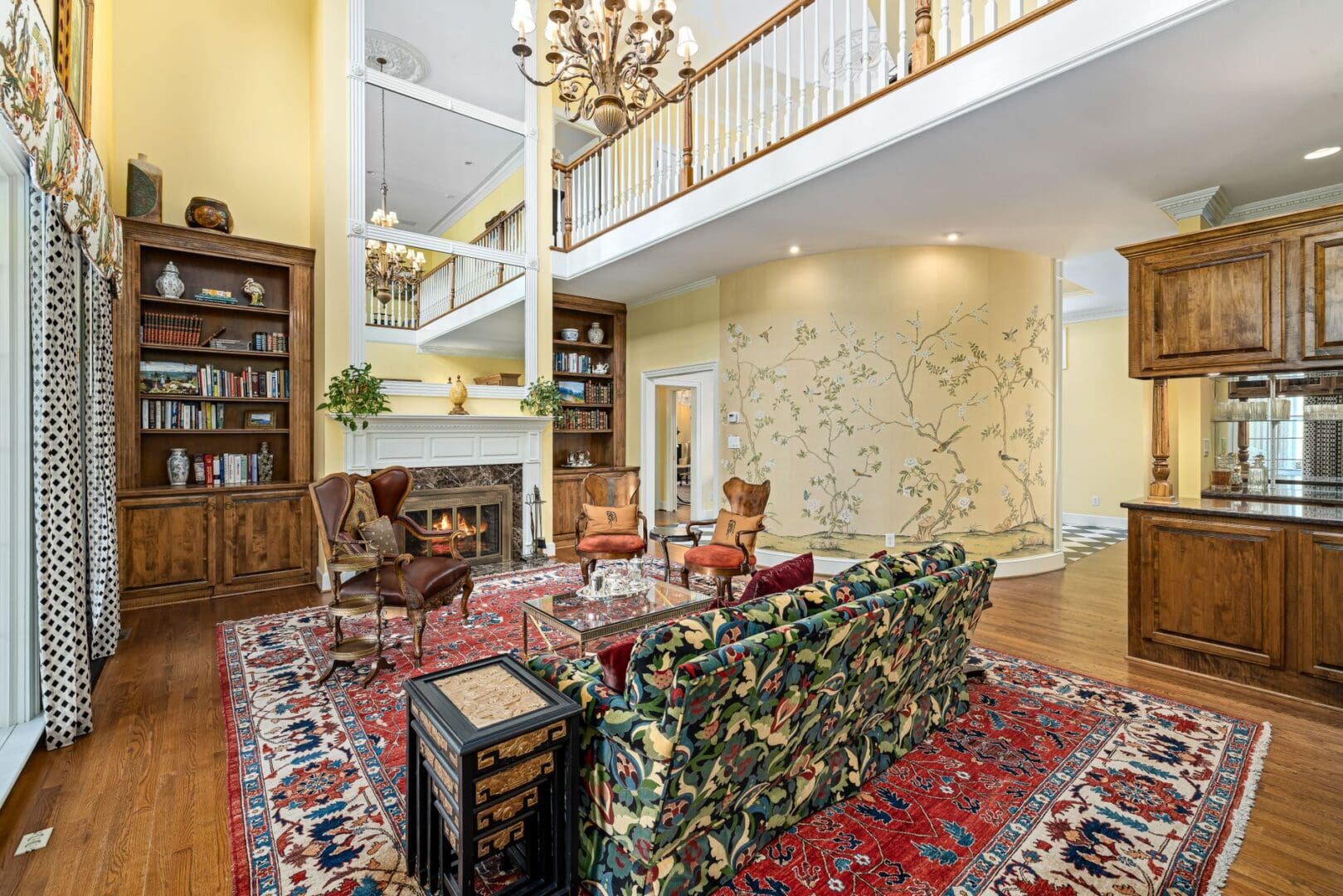
You love the idea of a Persian rug—the craftsmanship, the history, the way it instantly elevates a room. But you’re worried it might look too traditional or clash with your clean-lined sofa and minimalist aesthetic. Here’s the thing: Persian rugs aren’t just for ornate, old-world interiors. When chosen thoughtfully, they bring exactly the kind of warmth and character that modern homes often lack.
The key is knowing what to look for. Not all Persian rugs are created equal, and understanding the difference between authentic pieces and imposters, traditional versus transitional styles, and how to match patterns with your existing decor will help you find one that feels right at home.
Understanding What Makes a Persian Rug “Persian”
True Persian rugs come from Iran and are hand-knotted using traditional techniques passed down through generations. Each knot is tied individually, which is why a quality rug can take months or even years to complete. You’ll see this in the price—authentic Persian rugs start around $800-$1,500 for smaller sizes like a 4×6, while an 8×10 living room rug typically ranges from $2,000-$5,000 for mid-range quality.
When you flip a genuine Persian rug over, the pattern on the back mirrors the front because each knot goes through the foundation. Machine-made rugs marketed as “Persian-style” have a flat, canvas-like backing with no visible knots. They’re considerably cheaper (often $200-$600 for an 8×10), but they lack the depth, durability, and investment value of the real thing.
Materials matter too. Look for hand-spun wool, which has natural variations in texture and sheen. Higher-end pieces incorporate silk, which adds luminosity and allows for finer detail. Synthetic materials are a red flag—they won’t age well and typically indicate a machine-made rug.
Choosing Patterns and Colors That Work With Modern Decor
This is where most people get stuck. Traditional Persian patterns—think intricate medallions, florals, and elaborate borders—can absolutely work in contemporary spaces, but you need to be strategic about color.
For modern homes with neutral furniture, look for Persian rugs with:
Cream, ivory, or soft gray backgrounds rather than deep reds
Muted accent colors like dusty rose, sage green, or faded indigo instead of bright primary colors
Lower contrast between the background and pattern for a subtler effect
Geometric designs like Heriz or Tabriz patterns, which feel more graphic and less ornate
Vintage and antique Persian rugs (30+ years old) often work better in modern settings than brand-new ones because time has softened the colors. That faded, lived-in look creates visual interest without overwhelming clean-lined furniture. You’ll also save money—vintage pieces in good condition often cost 30-50% less than comparable new rugs.
Getting the Size Right for Your Space
Persian rugs are investments, so sizing matters more than with budget-friendly options you might replace in a few years. In living rooms, your rug should be large enough that at least the front legs of all major furniture pieces sit on it. For most seating arrangements, that means an 8×10 or 9×12.
In dining rooms, make sure the rug extends at least 24 inches beyond the table on all sides so chairs remain on the rug when pulled out. For a standard six-person table, you’re looking at an 8×10 minimum, with 9×12 being more comfortable.
Bedrooms offer more flexibility. A runner on each side of the bed works well, or you can place a larger rug (8×10 or 9×12) partially under the bed with the bottom two-thirds extending into the room.
Buying Smart: New vs. Vintage and Where to Shop
New Persian rugs from reputable dealers guarantee condition and often come with certifications of authenticity, but you’ll pay full price. Vintage and antique pieces offer better value and that coveted patina, though you need to inspect carefully for wear, repairs, and moth damage.
Budget considerations break down like this:
Budget-conscious ($800-$2,000): Smaller vintage Persian rugs (4×6 to 5×8) or Pakistani/Afghan rugs in Persian styles
Mid-range ($2,000-$5,000): Quality vintage Persian rugs in living room sizes or new pieces from commercial-grade workshops
Investment ($5,000+): Antique Persian rugs, new rugs from renowned weaving centers like Isfahan or Tabriz, or pieces with exceptionally high knot counts
Shop with established rug dealers who specialize in Persian rugs rather than general home stores. They can explain the rug’s origin, age, and construction, and many offer return policies that let you live with the rug for a week or two. Pay attention to knot density (measured in knots per square inch)—higher density means finer detail and typically better quality, though it’s not the only factor.
Finding the right Persian rug takes patience, but when you discover one that makes your modern furniture look better and your space feel complete, you’ll understand why these pieces have been treasured for centuries. Trust your eye, do your homework on authenticity, and remember that a quality Persian rug only gets better with age—making it one of the few home furnishings that actually gains character over time.
Before you fall in love with a specific pattern, make sure you’re shopping for the right rug size for your space to avoid costly mistakes.
Frequently Asked Questions
Are Persian rugs too formal for modern homes?
Not at all. Persian rugs work beautifully in modern homes when you choose patterns and colors that complement your existing decor. Simpler geometric patterns and muted tones blend seamlessly with contemporary furniture, while the handcrafted quality adds warmth that modern spaces often need.
How can you tell if a Persian rug is authentic?
Look for hand-knotted construction (you’ll see the pattern on the back), natural wool or silk fibers, and slight irregularities that indicate handwork. Authentic Persian rugs have knots tied individually to the warp threads, creating a backing that mirrors the front design, unlike machine-made rugs with a canvas-like backing.
What should I expect to pay for a quality Persian rug?
Authentic hand-knotted Persian rugs typically start around $800-$1,500 for smaller sizes (4×6 or 5×7). Mid-range pieces in living room sizes (8×10) usually run $2,000-$5,000, while antique or exceptionally fine examples can reach $10,000 and beyond depending on age, condition, and knot density.
Do Persian rugs work with gray couches and neutral decor?
Yes, Persian rugs pair exceptionally well with neutral modern furniture. Look for rugs with a cream, ivory, or soft gray background with traditional patterns in muted tones like dusty rose, sage, or soft blue. The intricate pattern adds visual interest without overwhelming a minimalist space.
How do I choose between traditional and vintage Persian rugs?
Vintage Persian rugs (30-80 years old) often have softer, more faded colors that work beautifully in modern settings and cost less than new pieces. New traditional Persian rugs offer bolder colors and pristine condition but at premium prices. Your choice depends on whether you prefer the lived-in patina of vintage or the crisp look of new.
You need more storage in your living room, but a bulky bookcase feels too heavy and floating shelves aren’t cutting it. A credenza might be exactly what you’re looking for—it’s that low-profile cabinet that gives you tons of hidden storage while creating a beautiful surface for lamps, plants, and the things you actually want to […]
If you’ve been hitting snooze repeatedly or dragging yourself out of bed feeling groggy, you’re not alone. Waking up to a jarring alarm in a dark room works against your body’s natural rhythms, especially during winter months. A sunrise alarm clock mimics natural dawn, gradually filling your room with light to ease you awake. But […]
Waking up at 3 a.m. with a sweaty neck and flipping your pillow to the cool side for the fourth time isn’t just annoying—it’s robbing you of quality sleep. If you’re a hot sleeper, your pillow might be trapping heat against your head and neck all night long. The good news? The right cooling pillow […]