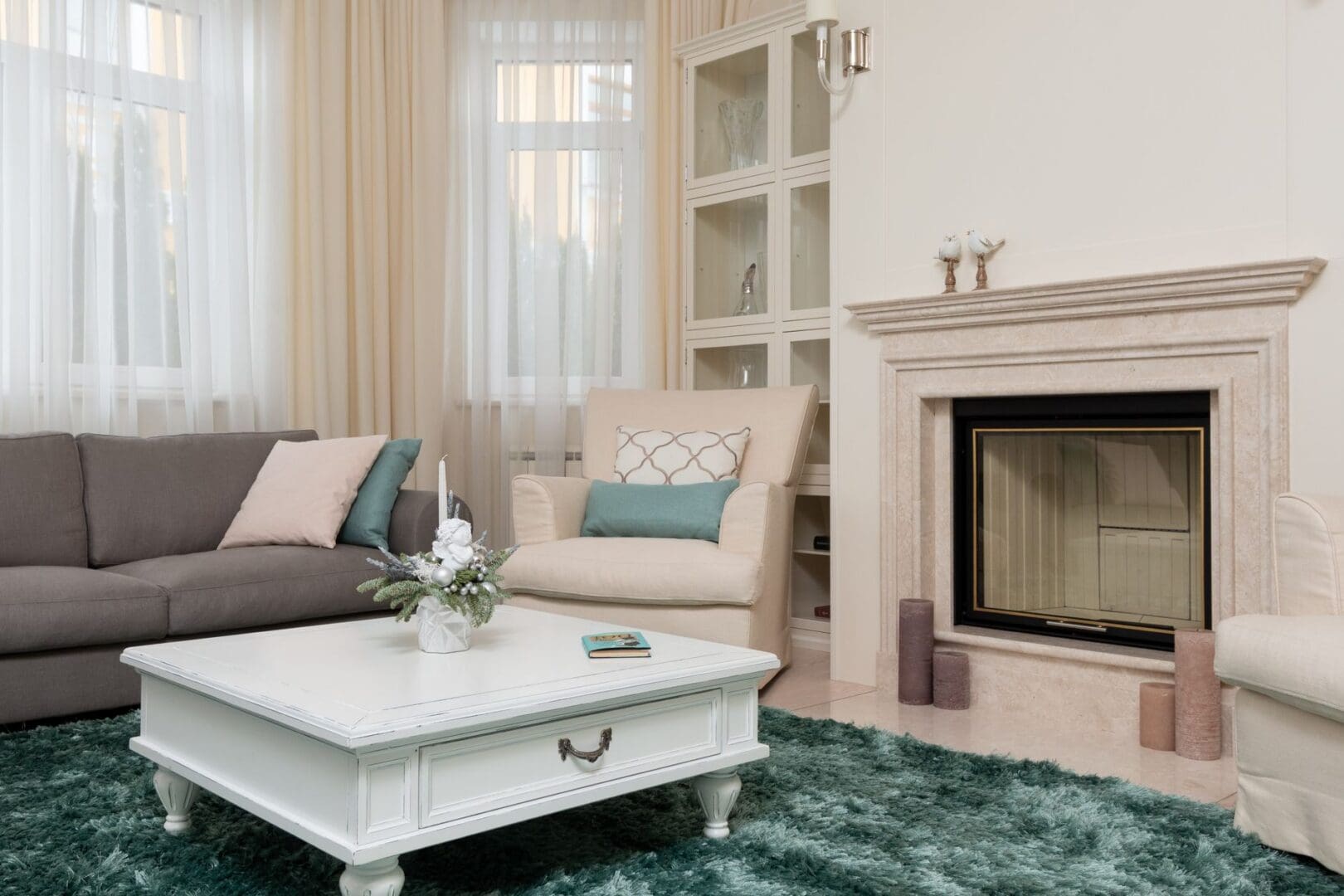
Shag rugs have come a long way since their 1970s heyday. Today’s versions offer that same sink-your-toes-in comfort without the avocado green and harvest gold baggage. But here’s the thing: buying a shag rug isn’t quite like picking out other area rugs. The extra pile height means more considerations around maintenance, placement, and materials. Get it right, and you’ll have a cozy focal point that transforms your space. Get it wrong, and you’ll be battling a high-maintenance floor covering that never quite looks clean.
Understanding Pile Height and Density
The defining feature of any shag rug is its pile height—the length of those fluffy fibers sticking up from the backing. True shag rugs start around 1.5 inches and can reach 3 inches or more. Lower pile shags (1.5-2 inches) give you easier maintenance and work well in living rooms or bedrooms where you want softness without the full commitment. They’re also less likely to show footprints and vacuum tracks.
Higher pile shags (2.5-3 inches) deliver maximum luxury underfoot and create dramatic visual texture. They’re stunning in low-traffic areas like bedrooms or sitting rooms, but they’ll be a constant battle in entryways or family rooms with kids and pets. Density matters too—a densely packed shag feels more substantial and holds up better than a loosely woven one, even if the pile height is the same.
Material Matters More Than You Think
The fiber you choose directly impacts how your rug looks, feels, and how much time you’ll spend maintaining it. Here’s what you’ll typically find:
Wool: The premium choice, offering natural stain resistance, durability, and a luxurious feel. Wool shags shed less after the initial break-in period and can last 15+ years. Expect to pay $300-$1,200+ depending on size.
Polypropylene (Olefin): Budget-friendly and surprisingly resilient, these synthetic rugs resist moisture and stains beautifully. They’re perfect for households with pets or kids. Most quality options run $150-$500.
Nylon: A middle-ground option that’s more resilient than polypropylene and softer than you’d expect. Good stain resistance and typically priced between $200-$700.
Polyester: Soft and affordable but tends to mat down faster in high-traffic areas. Best for bedrooms or decorative spaces. Usually $100-$400.
Natural fibers like wool will feel more substantial and regulate temperature better, but synthetics have come remarkably far in mimicking that feel while offering easier care.
The Real Talk on Maintenance
Let’s be honest: shag rugs are higher maintenance than flat weaves. But “higher maintenance” doesn’t mean impossible—it just means being strategic. Vacuum weekly using only the suction setting, never the beater bar. Those rotating brushes will pull and damage the long fibers, potentially unraveling your investment.
For deeper cleaning, take your shag outside and shake it out, or use a rug rake to lift the pile and remove embedded debris. Spot clean spills immediately by blotting (never rubbing) with a clean cloth and mild detergent solution. Most shags benefit from professional cleaning every 12-18 months, which typically costs $75-$200 depending on size.
Here’s a placement tip that’ll save you frustration: skip the shag in dining rooms or anywhere chairs will constantly drag across it. The constant friction flattens the pile and creates wear patterns that are nearly impossible to reverse. Instead, think bedrooms, living rooms away from the main walkway, or cozy reading nooks.
Styling Without Looking Dated
Modern shag rugs work beautifully in contemporary spaces when you choose wisely. Stick with neutral colors like cream, gray, or taupe for versatility, or go bold with a single jewel tone as your room’s anchor. Avoid the temptation to match your shag to bold wallpaper or busy upholstery—these rugs create enough visual texture on their own.
In minimalist or Scandinavian-inspired rooms, a white or light gray shag adds warmth without cluttering the clean aesthetic. Mid-century modern spaces pair beautifully with shorter-pile shags in warm neutrals. Even in more traditional rooms, a well-chosen shag in a classic color can bridge old and new.
Size follows the same principles as any area rug—you want furniture either all-on or all-off, never awkwardly perched on the edge. That said, shag rugs can feel visually heavier than flat weaves, so when in doubt, size down rather than up.
A quality shag rug isn’t an impulse purchase, but it doesn’t have to be overwhelming either. Focus on where you’ll place it, how much traffic it’ll see, and what maintenance level fits your lifestyle. Match those practical considerations with a material and pile height that makes sense, and you’ll end up with a rug that’s both beautiful and livable—the kind that makes you want to kick off your shoes the moment you walk through the door.
Shag rugs require more maintenance than flat-weave rugs, but they’re manageable with the right approach. Regular vacuuming with a suction-only setting and immediate spot cleaning will keep most shag rugs looking fresh for years.
What pile height is best for a shag rug?
True shag rugs typically have pile heights between 1.5 to 3 inches. Lower pile (1.5-2 inches) is easier to maintain and works well in high-traffic areas, while higher pile (2.5-3 inches) offers maximum plushness but requires more upkeep.
Can you vacuum a shag rug?
Yes, but use a vacuum with adjustable settings and turn off the beater bar or rotating brush. These attachments can pull and damage the long fibers, so stick with suction-only mode or use a handheld vacuum for gentler cleaning.
What is the best material for a shag rug?
Wool is the gold standard for durability and natural stain resistance, though it’s pricier. Polypropylene offers excellent value and stain resistance for busy households, while nylon provides good durability at a mid-range price point.
How long do shag rugs last?
A quality shag rug can last 8-15 years with proper care, depending on material and traffic levels. Wool shag rugs typically outlast synthetic options, but polypropylene rugs offer impressive longevity for their price point.
You need more storage in your living room, but a bulky bookcase feels too heavy and floating shelves aren’t cutting it. A credenza might be exactly what you’re looking for—it’s that low-profile cabinet that gives you tons of hidden storage while creating a beautiful surface for lamps, plants, and the things you actually want to […]
If you’ve been hitting snooze repeatedly or dragging yourself out of bed feeling groggy, you’re not alone. Waking up to a jarring alarm in a dark room works against your body’s natural rhythms, especially during winter months. A sunrise alarm clock mimics natural dawn, gradually filling your room with light to ease you awake. But […]
Waking up at 3 a.m. with a sweaty neck and flipping your pillow to the cool side for the fourth time isn’t just annoying—it’s robbing you of quality sleep. If you’re a hot sleeper, your pillow might be trapping heat against your head and neck all night long. The good news? The right cooling pillow […]