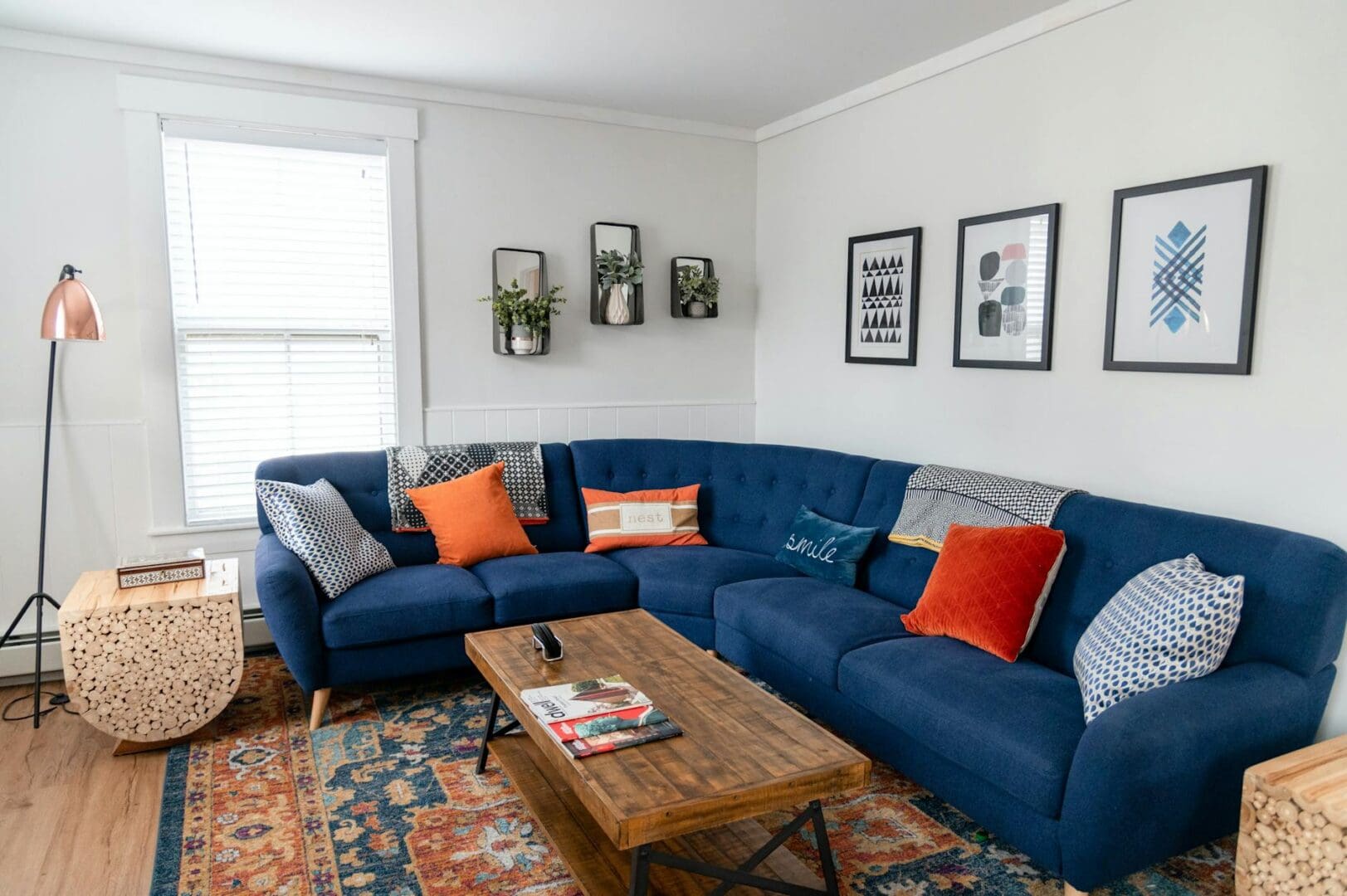
You’ve measured your living room three times, scrolled through hundreds of photos, and you’re still stuck on the fundamental question: sofa or sectional? It’s not just about what looks good—it’s about how you actually live in your space. Let’s break down what matters so you can make the right call for your home.
Understanding Your Space and Layout
Start with your room’s footprint. Sectionals typically need at least 10×10 feet to avoid overwhelming a space, though smaller L-shaped options can work in tighter quarters. If your living room is long and narrow, a standard sofa often makes more sense—it won’t block walkways or make the room feel cramped.
Consider traffic flow, too. Sectionals naturally anchor a space and define zones, which works beautifully in open-concept homes where you need to separate living areas from dining or kitchen spaces. But if your room has multiple doorways or your layout requires flexibility, a sofa paired with accent chairs gives you more options to rearrange as needs change.
Wall space matters more than you might think. Sectionals usually float in a room or tuck into corners, while sofas work well centered on a wall. If you’re planning to mount a TV or hang art as a focal point, think about which configuration lets you optimize that viewing angle and wall arrangement.
How You Actually Use Your Living Room
Be honest about your lifestyle. If you regularly host movie nights, have kids who build couch cushion forts, or just love sprawling out with a book, a sectional’s extra seating and lounging space is tough to beat. The chaise end becomes prime real estate for afternoon naps.
For formal entertaining or smaller households, a sofa often hits the sweet spot. It provides structure without dominating the room, and you can easily add ottomans or side chairs when guests arrive. This setup also tends to encourage conversation—everyone faces each other rather than sitting in an L-formation.
Think about flexibility over the next five years. Planning to move? Sofas are significantly easier to navigate through doorways and up stairs. Sectionals often come in pieces, but they’re still bulkier and harder to reconfigure in a different space. If you’re in a forever home, this matters less. If you’re renting or expect to relocate, it’s worth factoring in.
Style and Visual Impact
Sectionals make a statement—they’re substantial furniture that immediately says “this is the gathering spot.” They work especially well in contemporary, casual, and family-friendly spaces. The continuous seating creates a cozy, inclusive feeling that suits relaxed living.
Sofas offer more versatility in traditional, formal, or eclectic rooms. They’re easier to balance with other furniture pieces and don’t compete as much with your decor. If you love switching up throw pillows, layering in different textures, or frequently updating your look, a sofa gives you a cleaner canvas to work with.
Color and fabric choices affect both differently. Large sectionals in bold colors or busy patterns can overwhelm a room—many designers recommend neutral upholstery for sectionals and saving personality for accent pieces. Sofas can handle more adventurous choices since they occupy less visual real estate.
Budget Considerations and Value
Sectionals typically cost more upfront. Budget options start around $800-1,200 for basic models, mid-range pieces run $1,500-3,000, and quality sectionals with performance fabrics and solid frames easily reach $3,500-6,000 or more. You’re paying for more upholstery, framing, and construction.
Sofas offer more price flexibility. Decent quality starts around $600-900, with plenty of stylish mid-range options at $1,000-2,200. Splurge-worthy sofas with hardwood frames and designer fabrics run $2,500-5,000. If you pair a sofa with budget-friendly accent chairs, you might come out ahead financially while still filling your space.
Consider cost-per-seat, though. A sectional that seats six might actually deliver better value than a sofa plus additional seating if you regularly need that capacity. Think about what you’re really getting for your investment—not just the sticker price, but how well it serves your daily life.
The right choice comes down to your specific room dimensions, how many people you need to seat regularly, and whether you prioritize flexibility or maximizing lounging space. Measure carefully, think about how you’ll use the space in real life, and trust your instincts about what feels right when you walk into your living room. You’re going to spend a lot of time on whatever you choose—make sure it’s working for you, not against you.
You need more storage in your living room, but a bulky bookcase feels too heavy and floating shelves aren’t cutting it. A credenza might be exactly what you’re looking for—it’s that low-profile cabinet that gives you tons of hidden storage while creating a beautiful surface for lamps, plants, and the things you actually want to […]
If you’ve been hitting snooze repeatedly or dragging yourself out of bed feeling groggy, you’re not alone. Waking up to a jarring alarm in a dark room works against your body’s natural rhythms, especially during winter months. A sunrise alarm clock mimics natural dawn, gradually filling your room with light to ease you awake. But […]
Waking up at 3 a.m. with a sweaty neck and flipping your pillow to the cool side for the fourth time isn’t just annoying—it’s robbing you of quality sleep. If you’re a hot sleeper, your pillow might be trapping heat against your head and neck all night long. The good news? The right cooling pillow […]