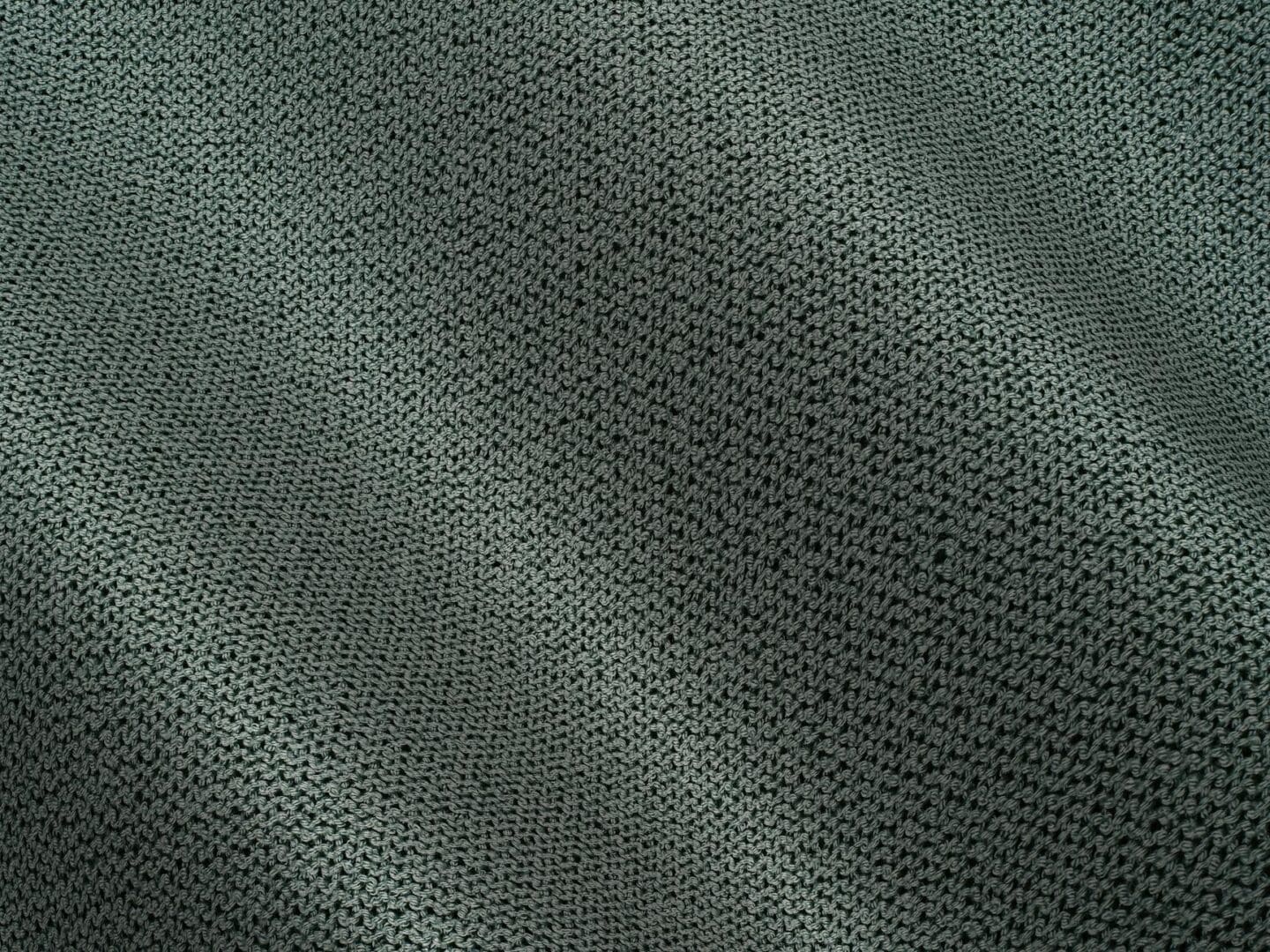
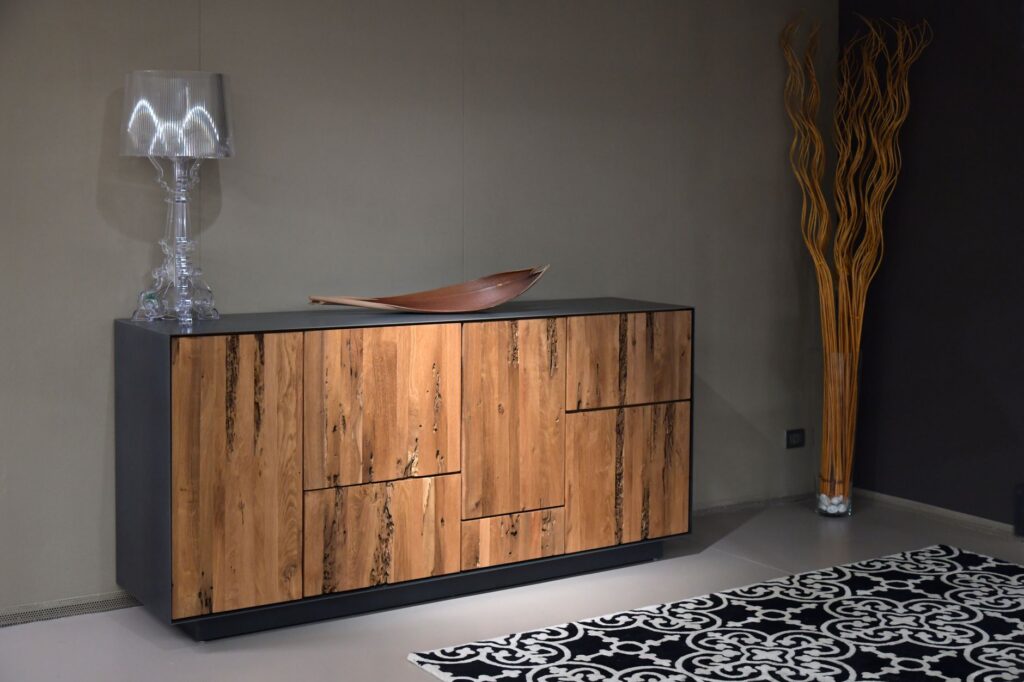
Choosing the right sofa fabric isn’t just about what looks good in the showroom. It’s about finding something that’ll stand up to your actual life—whether that’s sticky toddler fingers, a shedding dog, or just a household that loves movie nights with popcorn. The fabric you choose affects everything from how your sofa feels to how much maintenance you’ll be doing five years from now.
Let’s break down the four most popular sofa fabrics so you can figure out which one makes sense for your home.
Cotton: The Comfortable All-Rounder
Cotton is one of the most common sofa fabrics, and there’s a good reason for that. It’s soft, breathable, and comes in nearly every color and pattern you can imagine. Cotton sofas typically run from $800 to $2,500, making them accessible for most budgets.
The main advantage? Cotton feels naturally comfortable and doesn’t trap heat the way synthetic fabrics can. It also takes dye beautifully, so you’ll find the most variety here if you’re looking for specific colors or prints.
Here’s what to watch for: pure cotton isn’t the most durable option on its own. Look for cotton blends that mix in polyester or other synthetic fibers—these typically perform better over time. You’ll also want to ask about stain treatments, especially if you have kids or pets. Untreated cotton absorbs spills quickly, which can leave permanent marks.
Cotton works best for formal living rooms that don’t see heavy daily use, or for anyone who plans to use slipcovers that can be removed and washed regularly.
Linen: Casual Elegance With a Catch
Linen has that relaxed, lived-in look that’s perfect for coastal or modern farmhouse styles. It’s naturally textured, incredibly breathable, and gets softer with age. Expect to pay $1,200 to $3,500 for a linen sofa.
The texture is linen’s defining feature—it has a slightly nubby, organic feel that photographs beautifully and adds visual interest to a room. Linen is also naturally antimicrobial and hypoallergenic, making it a good choice if anyone in your household has sensitivities.
But linen wrinkles. A lot. That rumpled look is part of its charm for some people, but if you prefer crisp, smooth upholstery, linen will frustrate you. It also stains easily and can be difficult to clean without professional help. Many linen sofas now come with performance treatments that add stain resistance, but these can change the fabric’s natural texture slightly.
Linen is ideal for design-focused homeowners without young children who appreciate a more relaxed, imperfect aesthetic.
Velvet: Luxurious But High-Maintenance
Velvet has made a huge comeback in recent years, and it’s easy to see why. The depth of color and light-reflecting quality of velvet makes it a showstopper. You’ll find velvet sofas ranging from $1,000 for synthetic versions to $4,000+ for silk or cotton velvet.
Modern performance velvets (usually polyester-based) are surprisingly durable and easier to clean than traditional velvet. The pile can handle moderate wear, and many performance velvets are treated to resist stains and moisture. They’re also incredibly soft and add instant sophistication to any room.
The downside is maintenance. Velvet shows every touch—you’ll see hand prints, sitting marks, and pet prints on the surface. While these usually brush out, it means your sofa will rarely look pristine. Velvet also attracts pet hair like a magnet, and crushing of the pile over time is inevitable in high-use areas.
Choose velvet if you love the glamorous look and don’t mind regular brushing and fluffing to maintain its appearance. It works beautifully in formal spaces or rooms where the sofa is more for show than daily lounging.
Leather: The Long-Term Investment
Leather is the most durable sofa fabric you can buy, with quality leather sofas lasting 15-20 years or more. Prices reflect that longevity: budget leather starts around $1,500, while top-grain and full-grain leather sofas easily run $3,000 to $8,000+.
Full-grain leather (the highest quality) keeps the hide’s natural markings and develops a rich patina over time. Top-grain leather is sanded smooth for a more uniform appearance. Both are excellent choices. Bonded leather, which is leather scraps glued together, should be avoided—it peels and cracks within a few years.
Leather is remarkably easy to maintain. Spills wipe away, it doesn’t harbor allergens, and it actually becomes more comfortable and beautiful with age. It stays cool in summer and warms quickly to body temperature in winter.
Keep in mind that leather can scratch (though this adds character for many people), and it does require conditioning once or twice a year to prevent drying and cracking. It’s also not ideal if you have cats with claws.
Leather makes the most sense for busy families, pet owners, or anyone who wants a sofa that’ll look better in ten years than it does today.
Your ideal sofa fabric depends entirely on how you live. Consider who uses the space, how often, and what kind of maintenance you’re realistically willing to do. A performance velvet might surprise you with its durability, or a leather sofa might be the forever piece that actually saves you money over time.
You need more storage in your living room, but a bulky bookcase feels too heavy and floating shelves aren’t cutting it. A credenza might be exactly what you’re looking for—it’s that low-profile cabinet that gives you tons of hidden storage while creating a beautiful surface for lamps, plants, and the things you actually want to […]
If you’ve been hitting snooze repeatedly or dragging yourself out of bed feeling groggy, you’re not alone. Waking up to a jarring alarm in a dark room works against your body’s natural rhythms, especially during winter months. A sunrise alarm clock mimics natural dawn, gradually filling your room with light to ease you awake. But […]
Waking up at 3 a.m. with a sweaty neck and flipping your pillow to the cool side for the fourth time isn’t just annoying—it’s robbing you of quality sleep. If you’re a hot sleeper, your pillow might be trapping heat against your head and neck all night long. The good news? The right cooling pillow […]