If your living room feels cramped or cave-like, you’re not alone. Many homeowners struggle with spaces that feel smaller than their actual square footage, and while you can’t knock down walls on a whim, you can dramatically change how spacious a room feels with the right lighting strategy. The secret isn’t just adding more light—it’s about choosing the right types of fixtures, placing them strategically, and understanding how light interacts with your space.
Layer Your Light Sources for Depth and Dimension
The biggest mistake people make is relying on a single overhead fixture. That creates flat, shadowless light that makes walls feel closer and ceilings feel lower. Instead, aim for three layers of lighting: ambient, task, and accent.
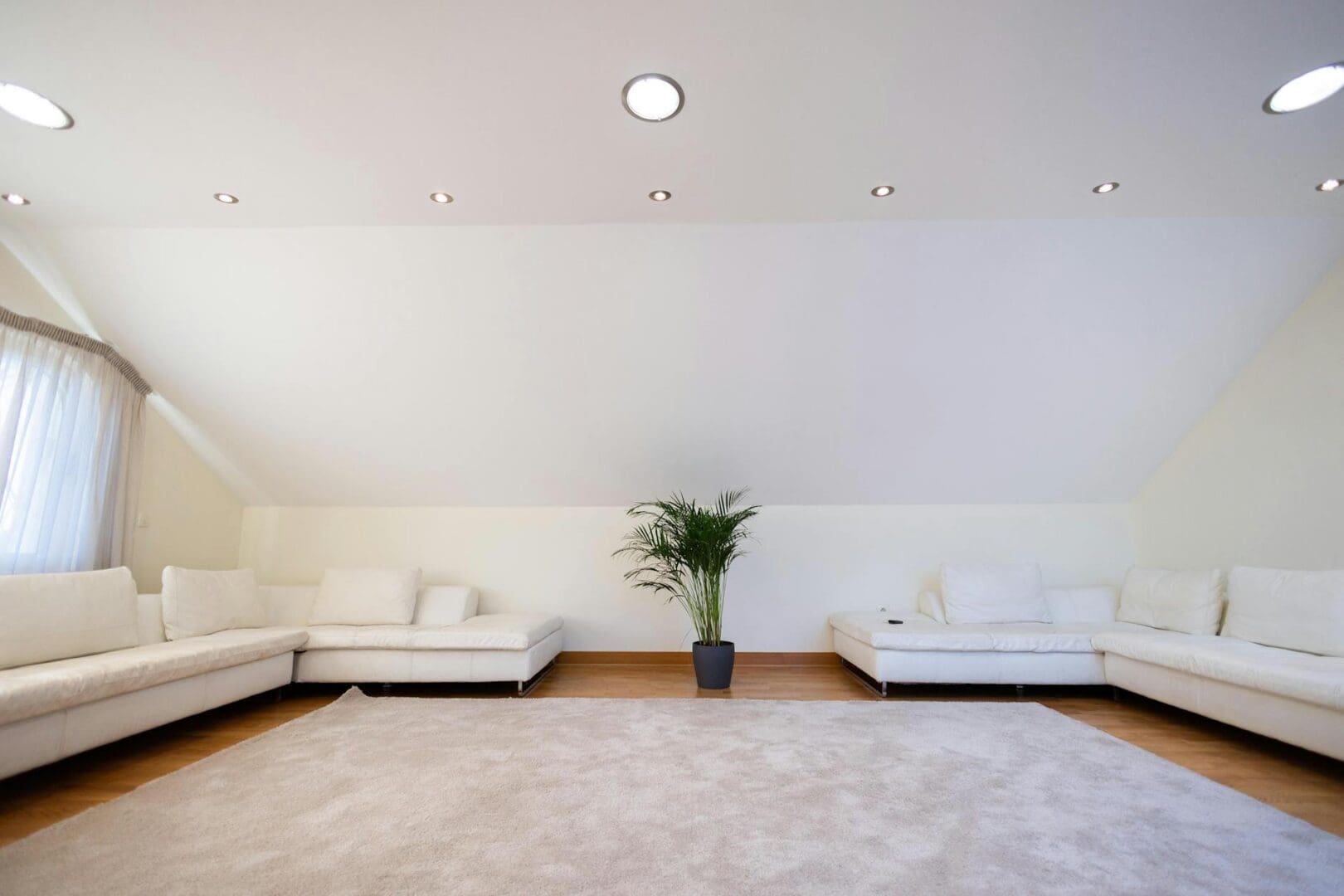
Start with your ambient lighting—this is your base layer. Recessed ceiling lights or a flush-mount fixture work well here, especially in rooms with lower ceilings. Position recessed lights about 4-6 feet apart to eliminate dark corners that visually shrink a room. Budget-friendly recessed kits start around $15-30 per light, while designer flush-mounts range from $80 to $400.
Add task lighting with floor lamps and table lamps in areas where you read, work, or gather. These create pools of light at different heights, which tricks the eye into perceiving more depth. Finally, accent lighting—like picture lights, LED strip lighting behind furniture, or uplights in corners—draws the eye around the room rather than letting it settle on the room’s boundaries.
Choose Fixtures That Direct Light Upward
Here’s a game-changer: fixtures that cast light toward the ceiling make rooms feel taller and more open. When light bounces off the ceiling, it creates the illusion of height and reflects back down more softly and evenly throughout the space.
Look for torchiere floor lamps that send light upward, or wall sconces that direct light both up and down. Arc floor lamps are particularly effective because they pull light away from the walls and into the center of the room, creating visual breathing room. Expect to spend $60-150 for quality torchiere lamps, $100-300 for wall sconces, and $150-500 for substantial arc lamps.
If you’re considering table lamps, choose ones with translucent or light-colored shades that allow light to glow through rather than opaque shades that block it. The soft glow through a linen or fabric shade diffuses light more widely than a solid shade ever could.
Use the Right Bulb Temperature and Brightness
The color temperature of your bulbs matters more than most people realize. Warm white bulbs (2700-3000K) create cozy ambiance but can make spaces feel smaller and more enclosed. For a living room that feels open and airy, try bright white or daylight bulbs (3500-4500K) in your ambient fixtures—they mimic natural daylight and make walls appear to recede.
You can still use warmer bulbs in your task and accent lighting for comfort, but keeping your overhead and upward-facing lights in the cooler range opens up the space. As for brightness, don’t be shy. A living room typically needs 1,500-3,000 lumens total, depending on size. Undercutting this by relying on a single 800-lumen overhead fixture leaves you with a dim, cramped-feeling room.
LED bulbs in the 800-1600 lumen range cost between $3-12 per bulb and last for years, making them a smart investment. Look for dimmable options so you can adjust brightness based on time of day and activity.
Eliminate Dark Corners and Add Strategic Placement
Dark corners visually collapse a room’s boundaries inward. Combat this by placing a floor lamp, a tall plant with an uplight, or even a small accent lamp in each corner that tends to disappear into shadow. You’re not trying to flood the corner with light—just enough illumination to keep the eye moving and prevent visual dead zones.
Another smart move: place lighting behind or beside large furniture pieces. A lamp on a console table behind your sofa, LED strips behind a media console, or a floor lamp beside a bookshelf all create depth by showing that there’s space beyond the furniture itself. This layering makes rooms feel less boxed-in.
When thinking about your lighting plan, map out your room and identify where shadows typically fall in the evening. Those are your priority spots for adding light sources. Even small puck lights (which start around $20 for a set) tucked into shelving can make a surprising difference.
The right lighting approach transforms how you experience your living room every single day. By layering different light sources, directing light upward, choosing appropriate bulb temperatures, and eliminating dark corners, you create the illusion of expansiveness without changing a single piece of furniture. Start with one or two strategic additions and build from there—you’ll be amazed at how much bigger your space can feel.
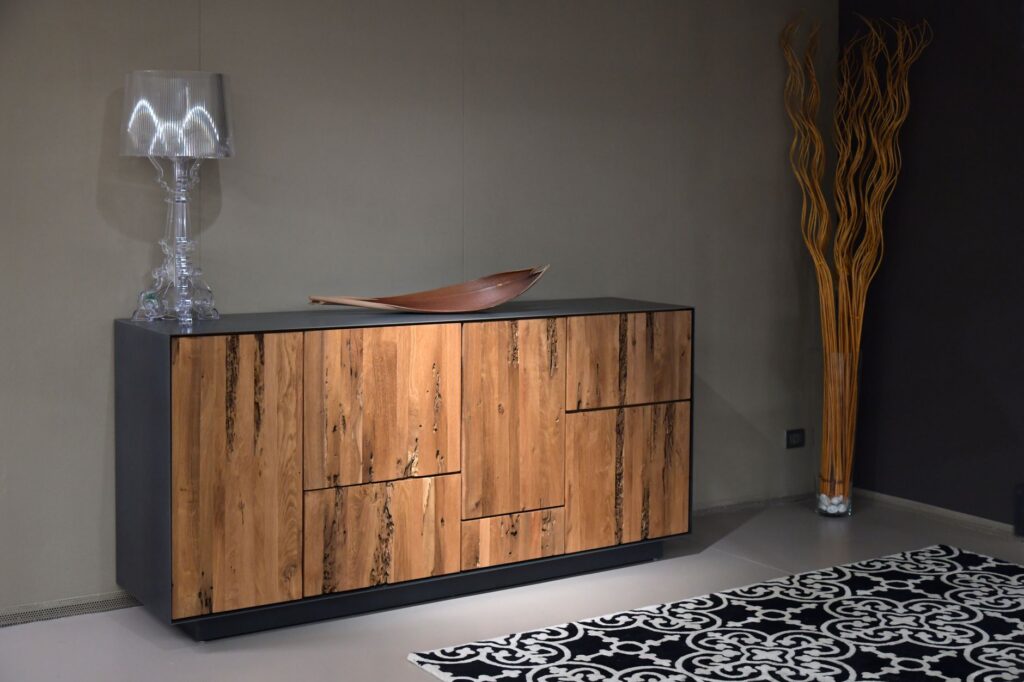
You need more storage in your living room, but a bulky bookcase feels too heavy and floating shelves aren’t cutting it. A credenza might be exactly what you’re looking for—it’s that low-profile cabinet that gives you tons of hidden storage while creating a beautiful surface for lamps, plants, and the things you actually want to […]
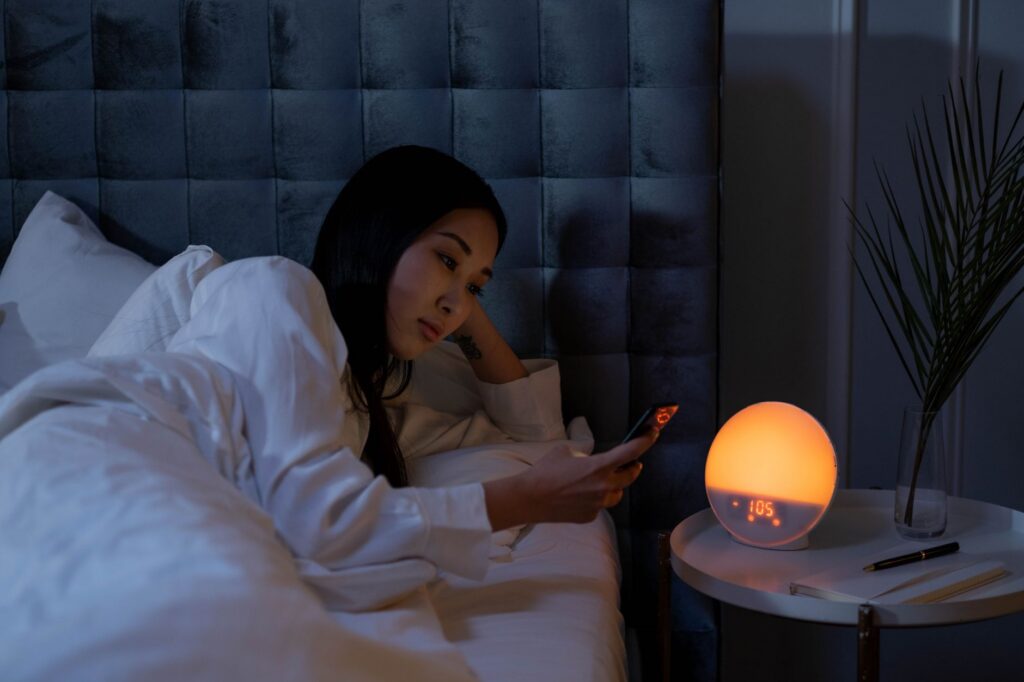
If you’ve been hitting snooze repeatedly or dragging yourself out of bed feeling groggy, you’re not alone. Waking up to a jarring alarm in a dark room works against your body’s natural rhythms, especially during winter months. A sunrise alarm clock mimics natural dawn, gradually filling your room with light to ease you awake. But […]
Waking up at 3 a.m. with a sweaty neck and flipping your pillow to the cool side for the fourth time isn’t just annoying—it’s robbing you of quality sleep. If you’re a hot sleeper, your pillow might be trapping heat against your head and neck all night long. The good news? The right cooling pillow […]