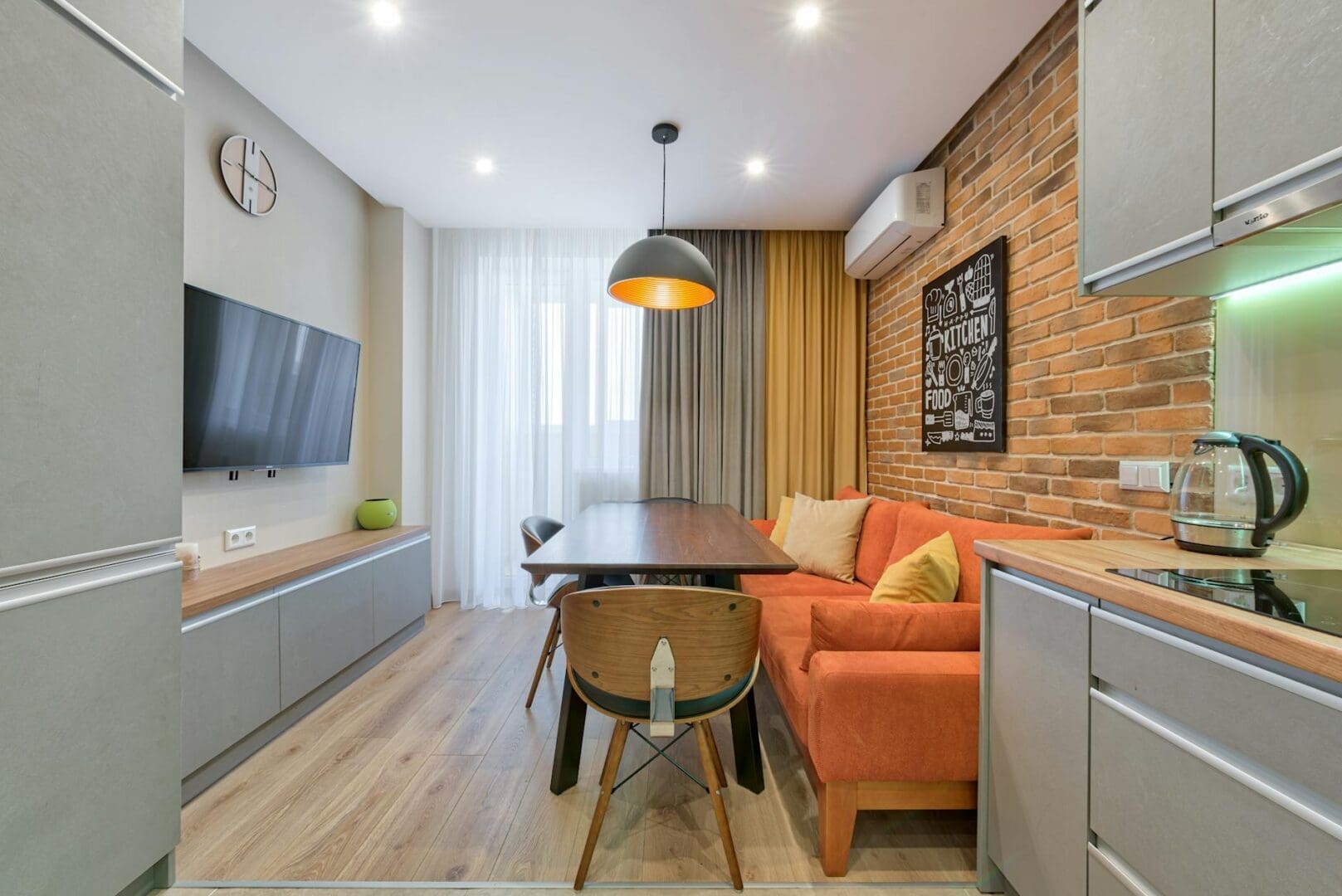
A small living room doesn’t mean you have to sacrifice style or comfort. With the right furniture choices and strategic design decisions, you can create a space that feels open, functional, and uniquely yours. Whether you’re working with a cozy apartment or simply want to make better use of your existing square footage, these proven strategies will help you maximize every inch without the room feeling cramped or cluttered.
Choose Furniture That Works Harder
The key to a functional small living room is selecting pieces that serve multiple purposes. A storage ottoman provides both seating and a place to stash blankets or magazines. Nesting tables can be pulled out when you need them and tucked away when you don’t. Look for sofas with built-in storage underneath or sleeper sofas that accommodate overnight guests without requiring a separate guest room.
Scale matters enormously in compact spaces. A bulky sectional might seem cozy, but it can overwhelm a small room. Instead, opt for a streamlined sofa with exposed legs—this creates visual space underneath and makes the room feel less crowded. Armless chairs or those with slim profiles provide seating without eating up precious square footage. And don’t automatically push all furniture against the walls; sometimes floating a sofa a few inches away creates better flow and makes the room feel more intentional.
Use Vertical Space Strategically
When floor space is limited, look up. Wall-mounted shelving draws the eye upward and provides storage without taking up valuable square footage. Floor-to-ceiling bookcases maximize storage capacity while emphasizing the room’s height. Consider mounting your TV on the wall rather than placing it on a media console—this frees up floor space for other essentials.
Tall, narrow shelving units work better in small spaces than short, wide ones. They provide ample storage while maintaining a smaller footprint. Use the top shelves for items you access less frequently, and keep everyday necessities at eye level. Wall-mounted lighting, like sconces or swing-arm lamps, eliminates the need for floor or table lamps that consume surface area.
Create Zones Without Walls
Even in a small living room, creating distinct zones makes the space feel more organized and purposeful. Use an area rug to define the seating area. Position a console table behind your sofa to create a subtle boundary while adding surface space for lamps or décor. A bookshelf can serve as a room divider without blocking light or making the space feel closed off.
If your living room also serves as a workspace or dining area, choose furniture that helps you transition between functions. A slim desk that tucks into a corner provides a work-from-home spot without dominating the room. A drop-leaf table can expand for dinner parties and fold down when not in use. The goal is to make your small living room feel like a multi-functional haven rather than a cramped compromise.
Master the Visual Tricks
Design choices can dramatically affect how spacious a room feels. Mirrors are your best friend—they reflect light and create the illusion of depth. Place a large mirror opposite a window to maximize natural light. Choose furniture in light or neutral colors to keep the space feeling airy. Glass coffee tables or acrylic accent chairs provide function without visual weight.
Keep window treatments simple and mount curtain rods close to the ceiling to make windows appear larger and ceilings higher. Avoid heavy drapes that block light; instead, opt for sheer panels or simple roller shades. Stick to a cohesive color palette throughout the room—too many competing colors can make a small space feel chaotic. Three coordinating colors create visual harmony that makes the room feel more pulled together and, consequently, more spacious.
Maximizing a small living room is about making thoughtful choices that prioritize both function and style. By selecting multi-purpose furniture, utilizing vertical space, creating intentional zones, and employing smart visual tricks, you can transform even the most compact living room into a space that feels open, organized, and entirely yours. Start with one or two changes and build from there—you’ll be amazed at how much potential your small living room actually holds.
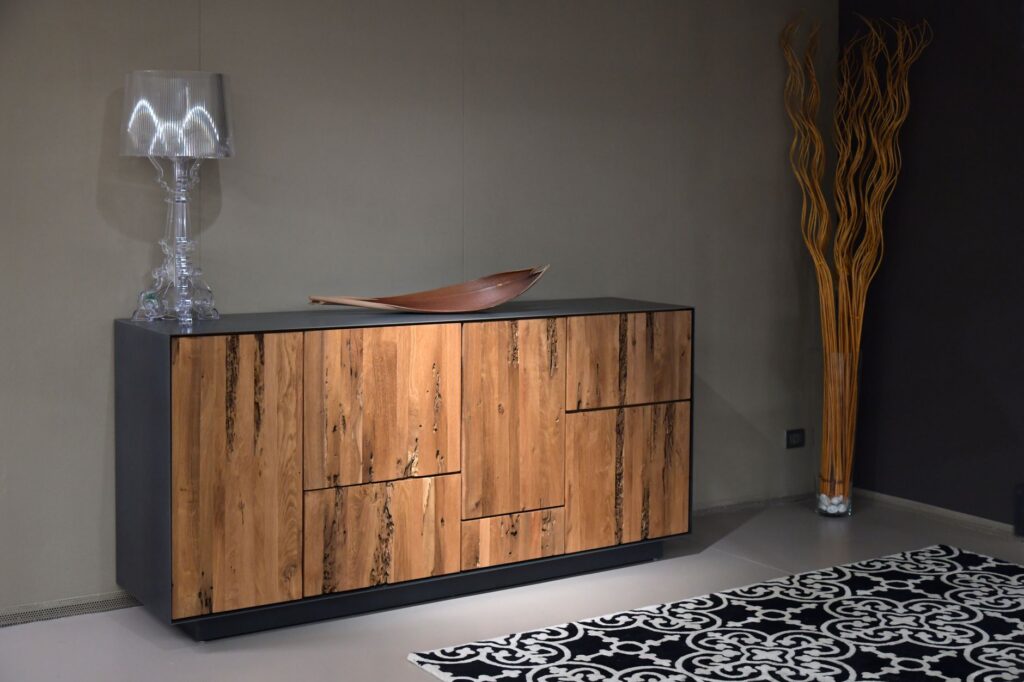
You need more storage in your living room, but a bulky bookcase feels too heavy and floating shelves aren’t cutting it. A credenza might be exactly what you’re looking for—it’s that low-profile cabinet that gives you tons of hidden storage while creating a beautiful surface for lamps, plants, and the things you actually want to […]
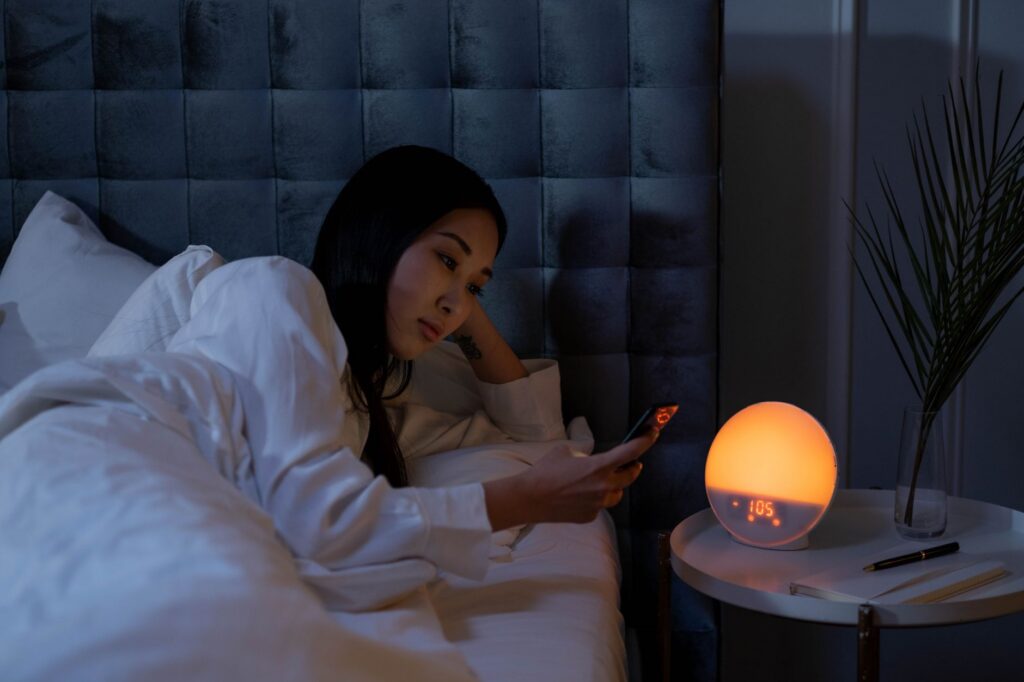
If you’ve been hitting snooze repeatedly or dragging yourself out of bed feeling groggy, you’re not alone. Waking up to a jarring alarm in a dark room works against your body’s natural rhythms, especially during winter months. A sunrise alarm clock mimics natural dawn, gradually filling your room with light to ease you awake. But […]
Waking up at 3 a.m. with a sweaty neck and flipping your pillow to the cool side for the fourth time isn’t just annoying—it’s robbing you of quality sleep. If you’re a hot sleeper, your pillow might be trapping heat against your head and neck all night long. The good news? The right cooling pillow […]