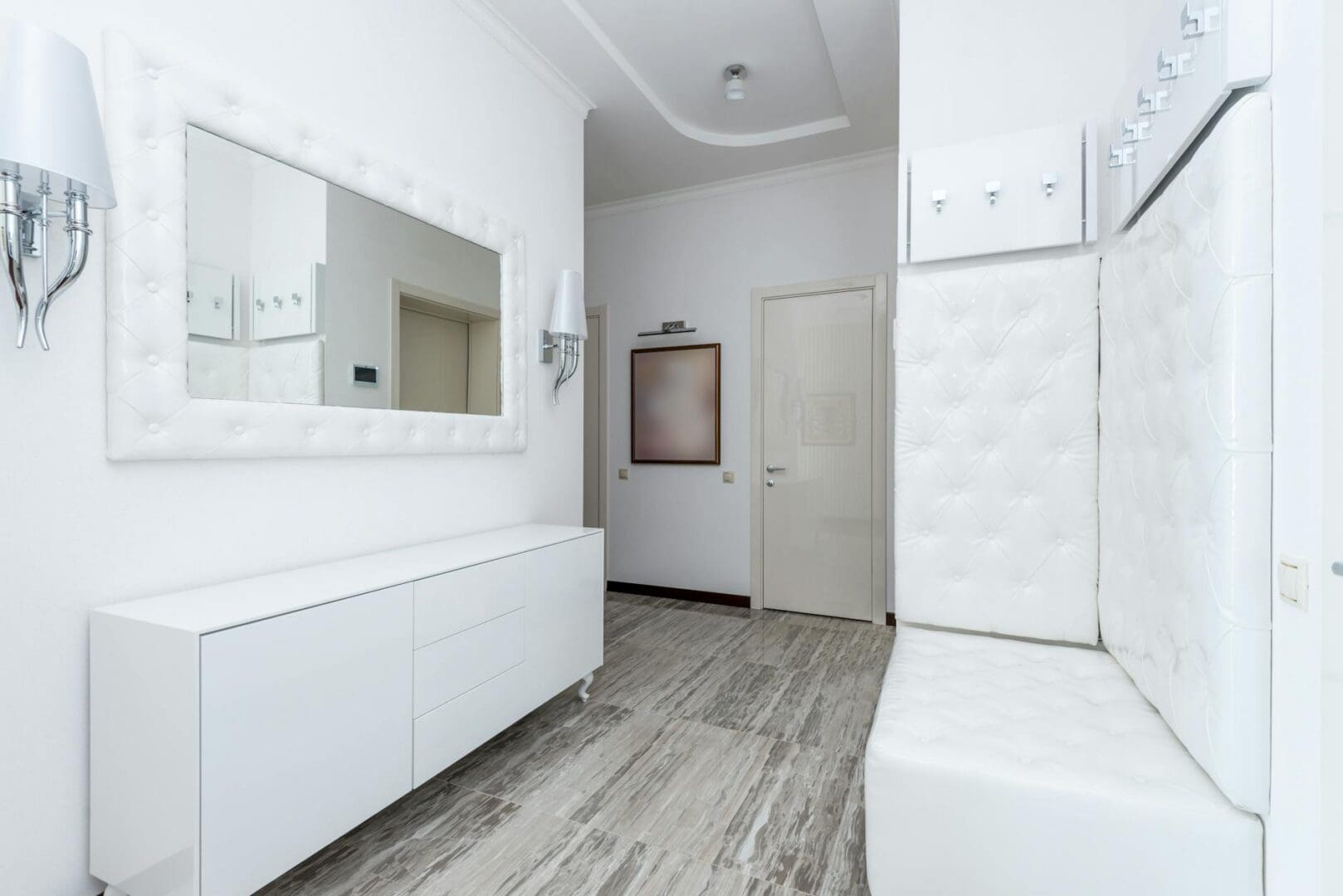
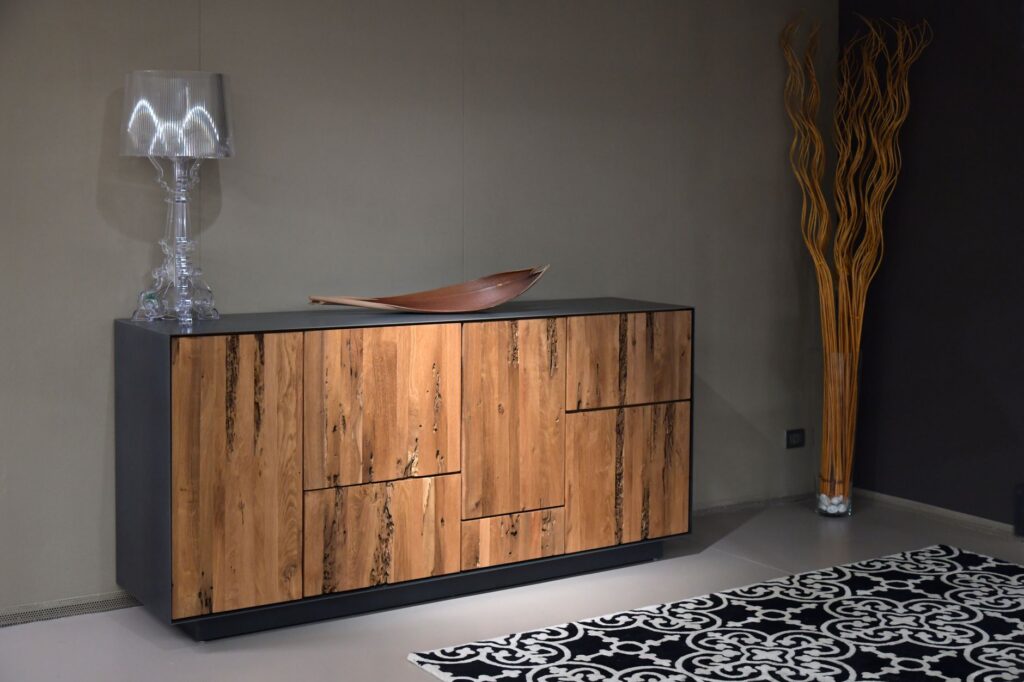
If you’re tripping over shoes by the front door or stuffing pairs into a hall closet that’s already bursting, you’re not alone. The right shoe storage can transform your entryway from chaotic to calm, but choosing between a closed cabinet and an open rack isn’t just about looks. Each has distinct advantages depending on your space, collection size, and how you actually live in your home.
Storage Capacity and Access
Shoe cabinets typically offer more efficient vertical storage, with tilting drawers or shelves behind doors that can hold anywhere from 12 to 40 pairs depending on the model. A standard cabinet around 24-30 inches wide can store roughly 16-20 pairs of adult shoes. Look for cabinets with adjustable shelving if you have a mix of flats, heels, and boots.
Open shoe racks range from simple two-tier designs holding 6-10 pairs to floor-to-ceiling tower units accommodating 30+ pairs. The trade-off is footprint: open racks need more floor or wall space to store the same number of shoes since items aren’t as densely packed. However, you can see everything at a glance, which makes morning routines faster when you’re grabbing shoes on the way out.
Consider your collection realistically. If you have 40 pairs but only wear 10 regularly, a cabinet keeps seasonal or occasional shoes hidden while an open rack displays your daily rotation.
Aesthetic Impact and Room Style
Closed cabinets offer a streamlined, clutter-free look that works beautifully in modern, minimalist, or traditional entryways. The solid exterior creates a clean line, and you can choose from wood finishes, lacquered surfaces, or even mirrored fronts. Cabinets with slim profiles (under 12 inches deep) work well in narrow hallways without overwhelming the space.
Open racks make more of a statement and work best when your shoe collection is part of your decor. Wire metal racks suit industrial or contemporary spaces, while wooden ladder-style racks complement farmhouse or Scandinavian interiors. Be honest about your shoes though—scuffed sneakers and worn work boots look less appealing on display than a curated collection of clean, attractive footwear.
If you love the airy feel of open storage but want some visual control, consider racks with fabric bins or baskets on lower shelves for less photogenic items.
Practical Considerations: Dust, Odor, and Maintenance
This is where cabinets pull ahead for many households. Closed storage protects shoes from dust accumulation, pet hair, and sunlight that can fade materials over time. If anyone in your home has athletic shoes, work boots, or tends toward sweaty feet, a cabinet contains odors better than an open system.
That said, proper ventilation matters. Look for cabinets with slatted doors, perforated backs, or built-in ventilation holes. Solid doors without airflow can trap moisture and create musty smells. Some cabinets include small vents near the top and bottom to promote air circulation.
Open racks require more frequent dusting but allow shoes to air out naturally between wears, which is actually healthier for the footwear. They’re also easier to clean—just wipe down the bars or shelves rather than reaching into enclosed compartments.
Space Requirements and Pricing
Measure your available space carefully. Cabinets need clearance for doors to open, typically adding 12-18 inches to the unit’s depth. Sliding door cabinets eliminate this issue but usually cost 20-30% more. Narrow entryways often work better with shallow cabinets (10-12 inches deep) or wall-mounted open racks.
Budget-wise, basic open racks start around $20-40 for simple wire or plastic designs. Quality wood or metal racks range from $60-150. Shoe cabinets begin around $80 for small particleboard units, with solid wood or well-constructed cabinets running $150-400. High-end designer cabinets with soft-close drawers and premium finishes can exceed $600.
Mid-range options ($100-200) offer the best value for most households, providing durability and decent looks without breaking the bank.
Making Your Decision
Choose a closed cabinet if you have a large shoe collection, prefer a tidy appearance, deal with dust or pet hair, or have shoes that are better hidden than displayed. They’re ideal for formal entryways and homes with limited floor space but available wall height.
Go with an open rack if you have fewer pairs, want quick visual access, have shoes worth showing off, or need a budget-friendly solution. They work well in mudrooms, closets, and casual spaces where function trumps formality.
Your entryway sets the tone for your entire home. The right shoe storage solution keeps things organized while reflecting how you actually use your space—not just how you wish you did.
You need more storage in your living room, but a bulky bookcase feels too heavy and floating shelves aren’t cutting it. A credenza might be exactly what you’re looking for—it’s that low-profile cabinet that gives you tons of hidden storage while creating a beautiful surface for lamps, plants, and the things you actually want to […]
If you’ve been hitting snooze repeatedly or dragging yourself out of bed feeling groggy, you’re not alone. Waking up to a jarring alarm in a dark room works against your body’s natural rhythms, especially during winter months. A sunrise alarm clock mimics natural dawn, gradually filling your room with light to ease you awake. But […]
Waking up at 3 a.m. with a sweaty neck and flipping your pillow to the cool side for the fourth time isn’t just annoying—it’s robbing you of quality sleep. If you’re a hot sleeper, your pillow might be trapping heat against your head and neck all night long. The good news? The right cooling pillow […]