You’ve found the perfect rug, brought it home, unrolled it—and within a day, it’s bunching up, sliding across the floor, or showing wear patterns you didn’t expect. A quality rug pad solves all these problems and more, yet it’s one of the most overlooked purchases in home decorating. Think of it as insurance for both your beautiful rug and your floors underneath. Here’s what you need to know to choose the right one.
Why a Rug Pad Isn’t Optional
Even if your rug seems to stay put, you’re missing out on protection and performance without a proper pad. Rug pads prevent slipping, which is a genuine safety concern, especially on hardwood or tile. They also create a cushioned barrier that protects your floors from dye transfer, scratches, and the abrasive friction that happens every time someone walks across your rug.
Beyond protection, a good pad extends your rug’s lifespan significantly. It absorbs impact and reduces wear on the rug fibers, which means your investment lasts years longer. You’ll also notice your rug feels more luxurious underfoot—that plush, anchored feeling that makes a room feel finished and intentional.
Matching Pad Material to Your Flooring
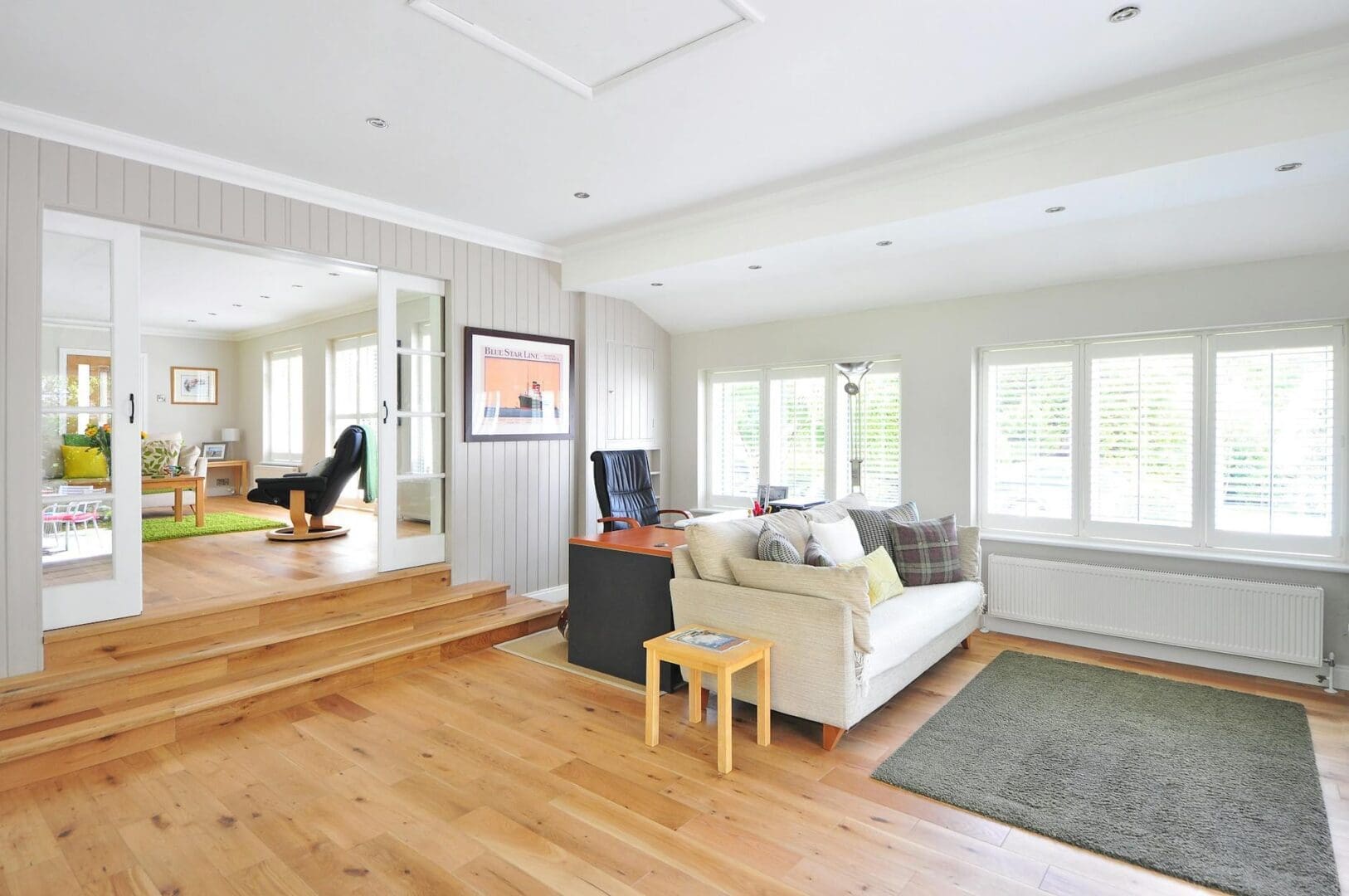
Not all rug pads work on all floors, and using the wrong type can actually damage your flooring. For hardwood floors, look for felt and natural rubber pads or those specifically labeled safe for wood. Avoid PVC or synthetic rubber pads, which can leave residue or cause discoloration over time. Natural rubber grips without chemicals that break down your floor’s finish.
For tile, stone, or vinyl flooring, you have more flexibility. Rubber pads work beautifully here, providing excellent grip without risk of damage. If you have radiant floor heating, choose a thinner pad that won’t block heat transfer—around 1/8 inch works well.
Carpet-to-carpet situations need a different approach entirely. Look for pads designed specifically for this purpose, typically made from natural rubber with a waffle or textured surface that grips both the area rug and the carpet underneath without using adhesives.
Getting the Thickness and Size Right
Pad thickness affects both feel and function. For most rooms, a 1/4-inch pad hits the sweet spot—substantial enough to provide cushioning and prevent slipping, but not so thick that it creates a tripping hazard or makes your rug feel spongy. High-traffic areas like entryways and hallways benefit from this standard thickness.
In dining rooms, consider going slightly thinner (1/8 inch) so chairs can slide more easily while still protecting the floor. For bedroom rugs where comfort matters most, you can go up to 3/8 inch for that hotel-like luxury feel.
Size-wise, your pad should be about one inch smaller than your rug on all sides. This keeps the pad hidden while ensuring the rug’s edges lay flat against the floor. Most retailers offer custom cutting, so get measurements of your actual rug—not the listed size, which can vary slightly.
What You’ll Actually Pay
Rug pads range dramatically in price, but you don’t need to overspend to get good protection. Budget options (around $20-40 for a 5×8 pad) typically use synthetic materials and work fine for low-traffic areas or rental situations. They’ll prevent slipping and offer basic protection, though they may need replacing every few years.
Mid-range pads ($50-100) usually combine felt and natural rubber, offering better durability and floor protection. This is where most homeowners find the best value, especially for main living areas.
Premium pads ($100-200+) use thick felt with high-quality natural rubber and often include extra features like moisture barriers or antimicrobial treatments. They’re worth considering for expensive rugs or if you’re planning to stay in your home long-term. The extra cushioning and superior floor protection justify the cost when you’re protecting hardwood floors and a $2,000 rug.
Whatever your budget, buying a rug pad is significantly cheaper than refinishing scratched floors or replacing a prematurely worn rug. It’s one of those unglamorous purchases that makes everything else look and perform better—your rug will lay flatter, feel better, and last longer, all while keeping your floors in pristine condition. Measure your rug, check what type of flooring you’re working with, and grab a pad before you position that rug for good.
You need more storage in your living room, but a bulky bookcase feels too heavy and floating shelves aren’t cutting it. A credenza might be exactly what you’re looking for—it’s that low-profile cabinet that gives you tons of hidden storage while creating a beautiful surface for lamps, plants, and the things you actually want to […]
If you’ve been hitting snooze repeatedly or dragging yourself out of bed feeling groggy, you’re not alone. Waking up to a jarring alarm in a dark room works against your body’s natural rhythms, especially during winter months. A sunrise alarm clock mimics natural dawn, gradually filling your room with light to ease you awake. But […]
Waking up at 3 a.m. with a sweaty neck and flipping your pillow to the cool side for the fourth time isn’t just annoying—it’s robbing you of quality sleep. If you’re a hot sleeper, your pillow might be trapping heat against your head and neck all night long. The good news? The right cooling pillow […]