Standing in a furniture showroom (or scrolling endlessly online), trying to decide between a round or rectangular dining table can feel surprisingly stressful. Both look beautiful, but you’re probably wondering which one actually makes sense for your space and how you live. The good news? There’s no universally “better” option—just the better option for you. Let’s break down what really matters so you can shop with confidence.
Space and Room Layout: Where Shape Really Matters
Your room dimensions should be your first consideration, and this is where the two shapes diverge significantly.
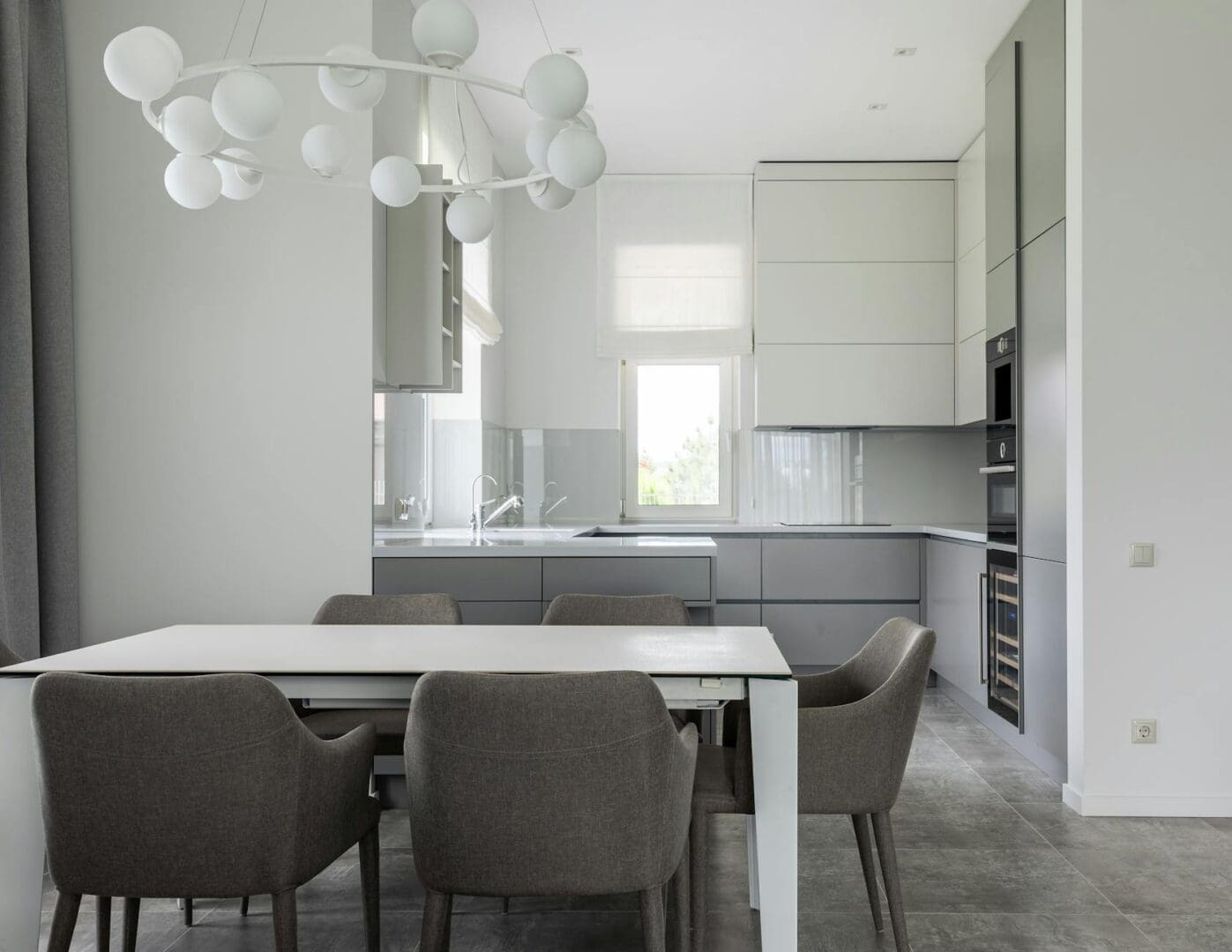
Rectangular tables are the workhorses of narrow or long dining rooms. They fit naturally against walls, work well in open-concept spaces that flow into kitchens, and maximize seating in rooms where width is limited. If your dining area is part of a galley-style layout or you’re working with a space that’s clearly longer than it is wide, a rectangular table will feel like it belongs there. Plan for at least 36 inches of clearance on all sides for comfortable chair pull-out—48 inches is even better if you have the room.
Round tables shine in square rooms and smaller spaces where you need to maximize flow. Without corners jutting out, they create better traffic patterns and can actually fit more comfortably in compact areas than you’d expect. A 48-inch round table seats four generously, while a 60-inch round accommodates six. They’re also fantastic in open-concept homes where the dining area isn’t clearly defined—the circular shape creates its own visual boundary without harsh lines.
Seating Capacity and Flexibility
How many people do you need to seat regularly, and how often do you host larger gatherings?
Rectangular tables win on pure capacity. A standard 72-inch rectangular table comfortably seats six to eight, and you can squeeze in extra chairs at the ends when needed. They’re also easier to extend with leaves—most extension mechanisms are designed for rectangular tables. If you regularly host holidays or dinner parties with eight or more guests, rectangular is probably your answer. Budget-friendly options start around $400-600, while solid wood tables with quality construction run $1,200-2,500.
Round tables create a more intimate dining experience, which is their greatest strength and their limitation. Everyone can see and talk to everyone else without craning their necks. However, once you go beyond 60 inches in diameter, round tables become impractical—they take up enormous floor space and the center becomes too far to reach. Some round tables do come with leaves that convert them to ovals, giving you flexibility. Expect to pay $500-900 for decent quality in the 48-54 inch range, and $1,000-2,000 for solid wood or designer pieces.
Lifestyle and How You Actually Use Your Table
Think beyond formal dinners for a moment. What else happens at your dining table?
If you have young children, round tables eliminate sharp corners (a genuine safety consideration) and create a cozier homework or craft space where you can supervise from any angle. The democratic seating arrangement means no one gets stuck at a “kids’ end.”
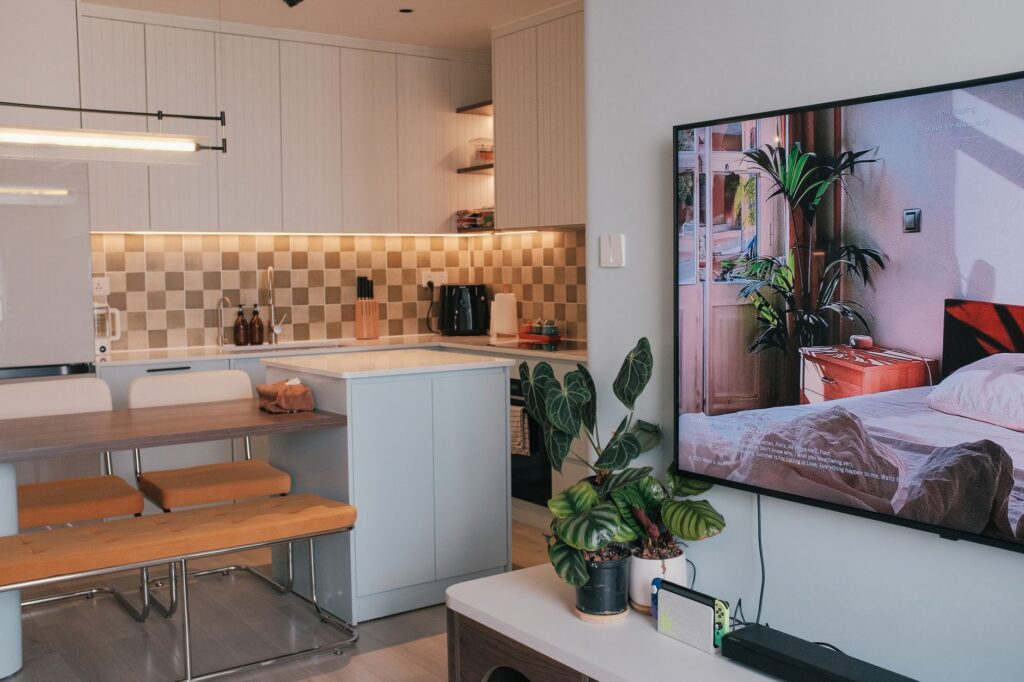
For those who work from home or use the dining table as a secondary workspace, rectangular tables offer distinct advantages. They provide more usable surface area for spreading out laptops, documents, or projects. The linear shape also pairs better with benches, which can be tucked completely under the table when not in use—helpful if your dining area doubles as a thoroughfare.
Rectangular tables also complement most furniture styles more easily. If you have a traditional china hutch, buffet, or built-in shelving, a rectangular table creates cleaner sight lines and a more cohesive look.
Style and Visual Impact
Round tables bring softness and visual interest to rooms filled with straight lines and angular furniture. They can make a small room feel less cramped because your eye travels around the curves rather than stopping at corners. Pedestal bases on round tables also offer more leg room and flexibility for seating arrangements.
Rectangular tables anchor a room with structure and formality. They read as more traditional (even in modern materials), create symmetry, and pair naturally with rectangular rugs, which are easier to find and typically less expensive than round ones. If your design style leans toward farmhouse, traditional, or even industrial, rectangular tables often feel more authentic.
Here’s the reality: most homes can make either shape work beautifully, but one will probably feel more natural when you consider your actual space, household size, and daily routines. Measure your room carefully, think about those busy mornings and holiday dinners, and trust your instincts. The right table is the one that makes your everyday life easier while looking great doing it—and now you know exactly what to look for when you start shopping.
When every square foot counts, bringing furniture into a small apartment feels like a high-stakes game of Tetris. You need storage desperately, but you’re terrified of making your space feel even more cramped. A sideboard can be the perfect solution—if you choose the right one. Let’s walk through exactly what to look for so you […]
Hallways are the overlooked workhorses of our homes—they connect every room, but rarely get the storage love they deserve. A well-chosen sideboard transforms that narrow stretch of wall into genuinely useful space without making your hallway feel like an obstacle course. The trick is finding one that fits the proportions of the room while actually […]
Dark kitchens—whether they feature rich espresso cabinets, moody charcoal walls, or black granite countertops—create incredible drama and sophistication. But they also present a unique challenge when it comes to choosing bar stools. Pick the wrong ones, and your beautiful space can feel cave-like or visually heavy. Choose wisely, and your stools become the bright spot […]