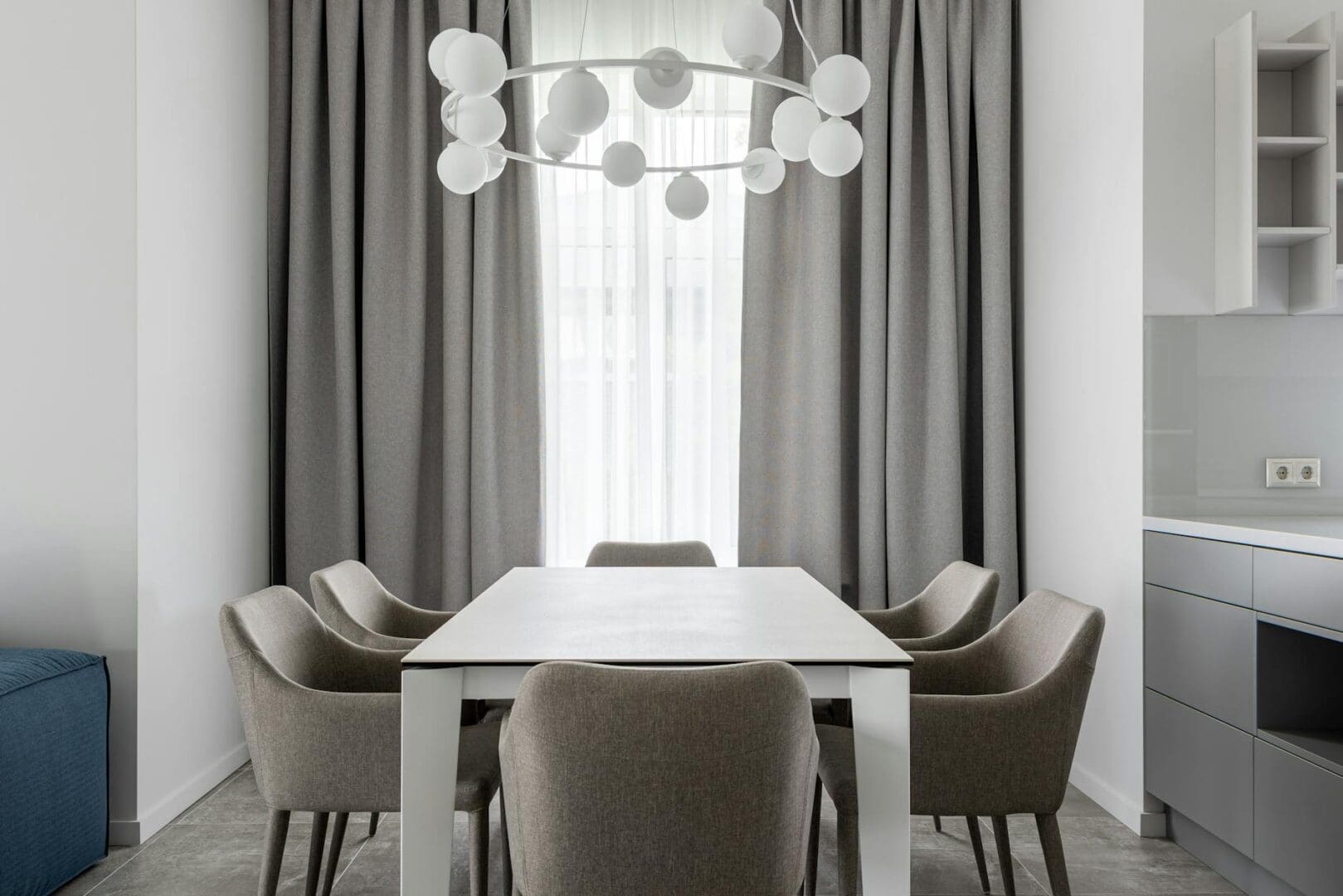
There’s nothing quite like the panic of realizing your dining table seats six but twelve people are coming for dinner. If you love hosting but don’t have space for a permanently large table, an expandable dining table might be your perfect solution. These clever pieces let you keep things cozy for everyday meals while accommodating a crowd when needed. But with so many expansion mechanisms and styles available, how do you choose the right one?
Understanding Expansion Mechanisms
The way a table expands matters more than you might think. Drop-leaf tables have hinged sections on the sides that fold down when not in use—great for tight spaces, though the leaves create a visible seam and usually seat fewer extra guests. Self-storing leaf tables include built-in leaves that hide underneath the tabletop or in the table’s apron, making them incredibly convenient since you won’t need to hunt down the leaf in your garage. Traditional removable leaf tables separate in the middle and require you to insert (and store) separate leaves, but they often offer the most expansion and a more seamless look when closed.
Butterfly leaf tables are particularly popular because the leaf folds and stores right in the table’s center—you simply pull the ends apart and unfold. These typically run $400-$1,200 for quality options. If you entertain frequently, consider tables with smooth glide mechanisms rather than wobbly leg systems that require realignment every time.
Sizing It Right for Your Space
Start with your room dimensions, not your wishful thinking. You need at least 36 inches of clearance around the table for chairs and movement—42 inches is even better. Measure your dining area carefully, then consider both the collapsed and expanded footprint.
A standard expandable table might go from 60 inches (seating 6) to 78-84 inches (seating 8-10). If you regularly host larger groups, look for tables that extend to 96 inches or more, accommodating 10-12 people. Remember that width matters too—tables 36-42 inches wide work well for most spaces and allow for proper place settings without feeling cramped.
Think honestly about how often you’ll use the expansion. If it’s more than once a month, you want a mechanism that’s truly easy to operate. Some tables require two people to extend safely, while others can be managed solo in under a minute.
Material and Construction Quality
The expansion mechanism is only as good as the table holding it together. Solid wood tables—oak, walnut, maple—offer durability and can handle the stress of repeated expansion. Expect to invest $800-$2,500 for quality solid wood options. These also age beautifully and can be refinished if needed.
Engineered wood or veneer tables provide budget-friendly options starting around $300-$700, and modern manufacturing has made these quite sturdy. Just check that the veneer won’t peel at the expansion seams over time. Look for tables with substantial leg construction and metal support brackets—flimsy hardware leads to wobbling and misalignment.
For contemporary spaces, glass-top expandable tables create an airy feel, though they require more maintenance and careful handling during expansion. Metal and wood combinations offer industrial-modern appeal with excellent durability, typically ranging from $600-$1,800.
Style That Works Open and Closed
Your table needs to look intentional at every size. Pedestal bases often work better than four-legged designs for expandable tables because they don’t create awkward leg placement when extended—nobody wants a table leg exactly where their knees should go. However, pedestal tables may feel less stable when fully expanded, so test the sturdiness if possible.
Pay attention to how visible the expansion seams are. Some tables show clear lines where leaves insert, which can disrupt wood grain patterns. Higher-end tables often feature book-matched wood grain that flows more naturally across the seams. If you’re keeping the table extended often, this visual continuity becomes more important.
Consider finish practicality too. Matte or satin finishes hide wear better than high-gloss surfaces, and darker woods camouflage the inevitable scratches from regular expansion and contraction.
Choosing an expandable dining table comes down to balancing your space constraints with your entertaining ambitions. Focus on a smooth, reliable mechanism you’ll actually use, measurements that work for both configurations, and construction quality that’ll withstand years of dinner parties. The right table transforms from intimate weeknight dinners to holiday feasts without making you rearrange your entire dining room—or turn away guests.
Hallways are the overlooked workhorses of our homes—they connect every room, but rarely get the storage love they deserve. A well-chosen sideboard transforms that narrow stretch of wall into genuinely useful space without making your hallway feel like an obstacle course. The trick is finding one that fits the proportions of the room while actually […]
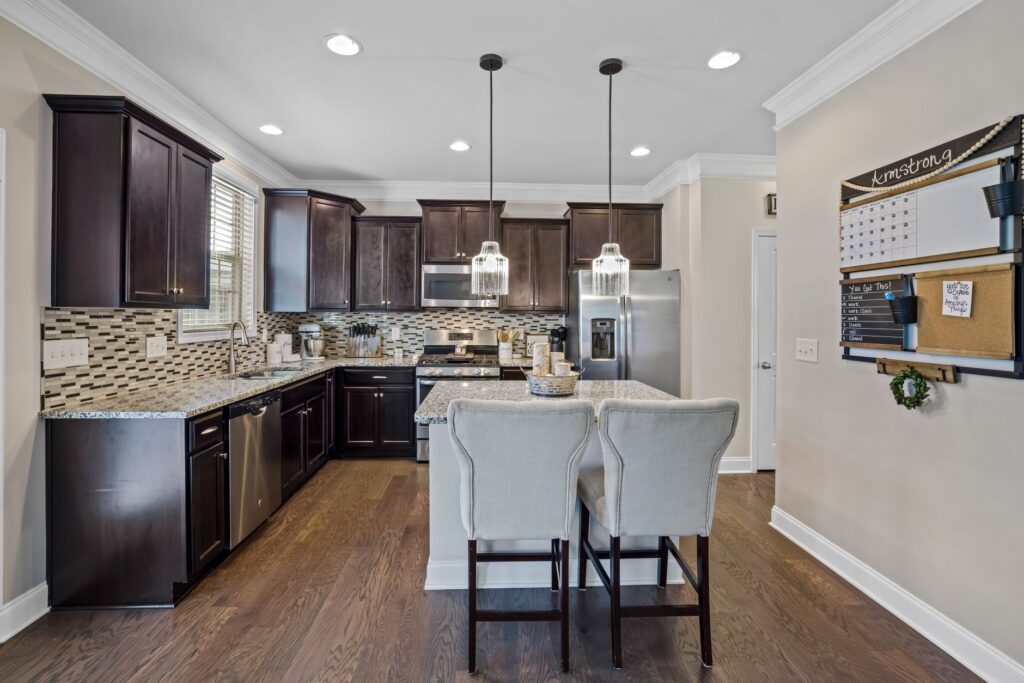
Dark kitchens—whether they feature rich espresso cabinets, moody charcoal walls, or black granite countertops—create incredible drama and sophistication. But they also present a unique challenge when it comes to choosing bar stools. Pick the wrong ones, and your beautiful space can feel cave-like or visually heavy. Choose wisely, and your stools become the bright spot […]
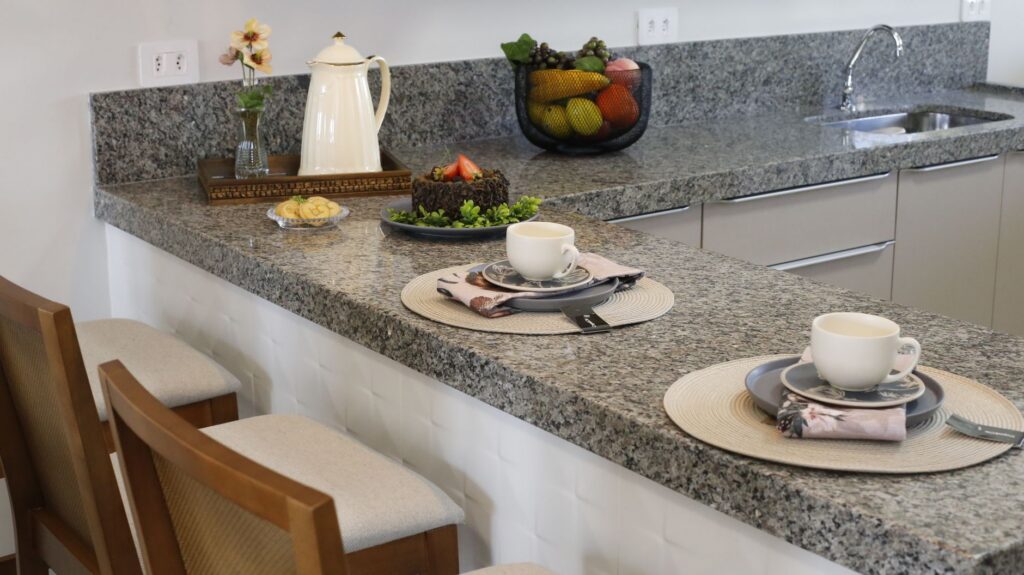
Your kitchen peninsula is prime real estate—it’s where morning coffee happens, where kids do homework while you’re prepping dinner, and where guests naturally gather during parties. Getting the right bar stools makes all the difference between a peninsula that feels welcoming and one that sits empty. But with so many options for height, style, and […]