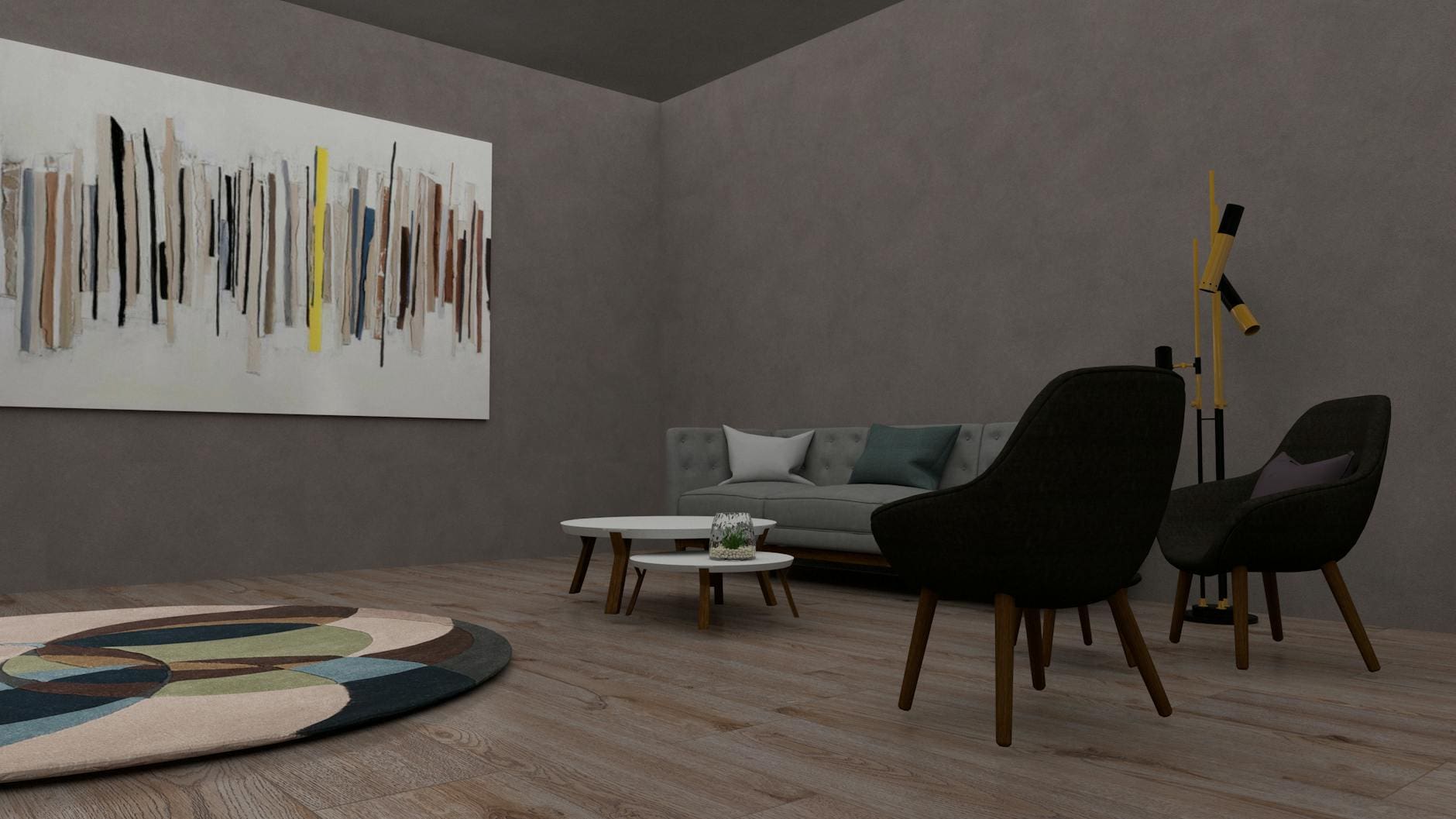
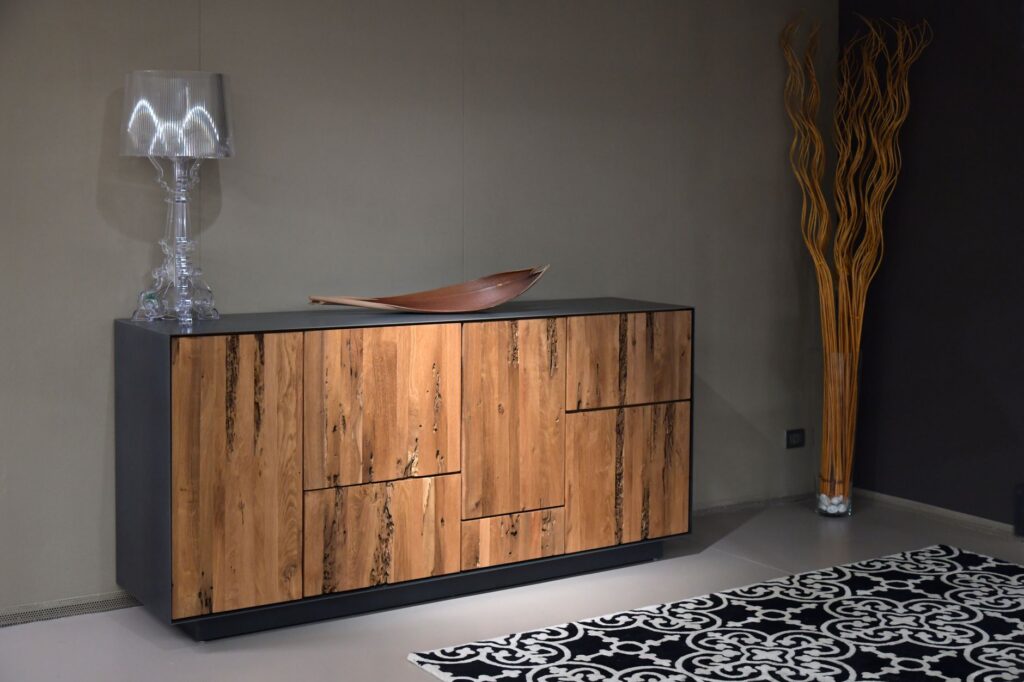
Standing in front of two beautiful area rugs—one with an eye-catching geometric pattern, the other in a rich solid color—you might be wondering which one will actually work in your space. It’s not just about what looks pretty in the store. The right choice depends on your room’s current style, how much visual interest you need, and yes, how well it’ll hide that inevitable coffee spill.
Let’s break down the real differences between patterned and solid rugs so you can choose with confidence.
Consider Your Existing Furniture and Decor
The first question to ask yourself: what’s already happening in your room? If you have a bold floral sofa, busy gallery wall, or lots of decorative pillows with different prints, a solid rug gives your eye a place to rest. Think of it as the visual anchor that keeps everything from feeling chaotic.
On the flip side, if your furniture is mostly solid colors—especially neutrals like gray, beige, or navy—a patterned rug adds the personality and visual interest the room needs. A Moroccan trellis, Persian-inspired medallion, or modern geometric pattern can completely transform a space that feels a bit flat.
Here’s a practical guideline: pattern on pattern can work beautifully, but the patterns should be in different scales. A large-scale floral rug can pair nicely with small-scale striped pillows. When in doubt, keep one element solid to let the other shine.
Think About Practicality and Lifestyle
Let’s talk about real life for a minute. Patterned rugs are champions at hiding stains, wear patterns, and the occasional pet accident. Those intricate designs and varied colors naturally camouflage everyday mishaps—a major plus if you have kids, pets, or high-traffic areas.
Solid rugs show everything. Every crumb, every footprint in high-pile styles, every spill stands out. That said, if you’re placing a rug in a low-traffic bedroom or formal dining room, a solid color can look absolutely stunning and stay pristine longer. Many homeowners love solid rugs in soft neutrals like cream or light gray for bedrooms, where they create a serene, hotel-like feel.
Budget-wise, you’ll find options across the spectrum. Solid rugs in synthetic materials start around $100-300 for an 8×10, while wool versions run $400-1,200. Patterned rugs range similarly—$150-400 for machine-made polyester or polypropylene, and $600-2,000+ for hand-knotted or hand-tufted wool pieces with intricate designs.
Match the Rug to Your Design Goals
What’s the job of this rug in your space? That matters more than you might think.
Choose a solid rug when you want to:
Make a small room feel larger and less busy
Create a cohesive, calming atmosphere
Let a statement piece of furniture or art take center stage
Achieve a minimalist or contemporary aesthetic
Layer with patterned throws and pillows without visual overload
Choose a patterned rug when you want to:
Add instant character to a bland or neutral room
Define different zones in an open floor plan
Introduce multiple colors from your palette in one piece
Create a focal point that grounds the furniture arrangement
Hide wear and tear in high-traffic spaces
Consider Your Long-Term Flexibility
Here’s something people don’t always think about: which rug gives you more decorating freedom down the road? A solid rug in a neutral tone—think charcoal, taupe, navy, or warm gray—works with almost any future furniture or decor changes. You can swap out your throw pillows, curtains, and accessories as trends change, and your rug still works.
Patterned rugs make more of a commitment. That bold blue and yellow ikat pattern might be perfect now, but it could limit your options if you want to change your color scheme later. However, if you choose a pattern with classic appeal—traditional Persian designs, subtle stripes, or timeless geometric patterns in neutral colors—you’ll get more longevity.
The sweet spot for many homeowners? A patterned rug with a neutral base color (cream, gray, or beige) and subtle patterns. You get visual interest without boxing yourself into a specific color story.
Whether you choose patterned or solid ultimately comes down to your space’s needs. If your room feels too busy, go solid. If it feels too boring, add pattern. Consider your lifestyle—patterned for practicality, solid for serenity. And think about how much you like to change things up. Trust your gut, picture it in your actual space (not just the store), and you’ll find the rug that makes your room feel complete.
You need more storage in your living room, but a bulky bookcase feels too heavy and floating shelves aren’t cutting it. A credenza might be exactly what you’re looking for—it’s that low-profile cabinet that gives you tons of hidden storage while creating a beautiful surface for lamps, plants, and the things you actually want to […]
If you’ve been hitting snooze repeatedly or dragging yourself out of bed feeling groggy, you’re not alone. Waking up to a jarring alarm in a dark room works against your body’s natural rhythms, especially during winter months. A sunrise alarm clock mimics natural dawn, gradually filling your room with light to ease you awake. But […]
Waking up at 3 a.m. with a sweaty neck and flipping your pillow to the cool side for the fourth time isn’t just annoying—it’s robbing you of quality sleep. If you’re a hot sleeper, your pillow might be trapping heat against your head and neck all night long. The good news? The right cooling pillow […]